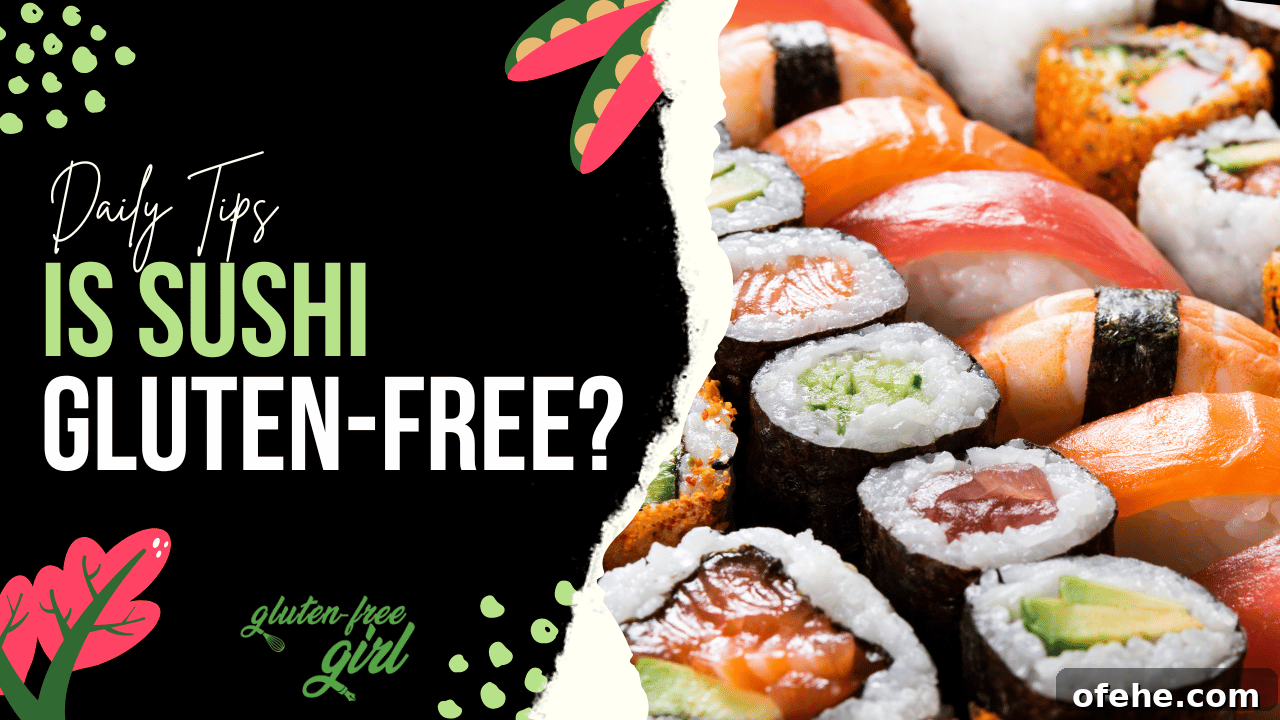
Yes, sushi is gluten-free. At its core, traditional sushi is naturally gluten-free because its primary ingredients are rice, fish, vegetables, and seaweed. These components do not contain wheat or other gluten-containing grains, so sushi can be a safe and nutritious option for people with celiac disease or non-celiac gluten sensitivity. Properly prepared sushi supports digestive health and can be incorporated into gluten-free and pescatarian diets that emphasize fish and plant-based foods.
Celiac disease is an autoimmune condition in which consuming gluten triggers an immune response that damages the small intestine. A strict, lifelong gluten-free diet is the only effective treatment, which is why understanding how sushi is prepared and what ingredients are used matters for people managing the condition. When made without gluten-containing ingredients or cross-contamination, sushi is a suitable choice for those who must avoid gluten.
Can a Patient with Celiac Eat Sushi?
Yes — patients with celiac disease can eat sushi, but they must be mindful of ingredients and preparation methods. Traditional sushi made from plain seasoned rice, fresh fish, vegetables, and nori is gluten-free. The primary concerns are sauces, imitation crab, battered or fried components, and cross-contamination during preparation.
Common gluten risks to watch for:
- Soy sauce and many prepared sauces (teriyaki, eel sauce, ponzu, spicy mayo) often contain wheat.
- Tempura and other fried items use wheat flour in the batter.
- Imitation crab (surimi) may include gluten-containing additives.
- Flavored nori, vinegars that are not distilled, or rice seasoning blends could include gluten-containing ingredients.
- Cross-contamination from shared utensils, cutting boards, or fryers.
To keep sushi safe: request gluten-free soy sauce (tamari), confirm that rice vinegar and seasonings are gluten-free, avoid tempura items and imitation crab, and ask staff about their cross-contamination controls. When in doubt, homemade sushi prepared with known ingredients eliminates most risks.
What Gluten-free Dishes Can You Cook with Sushi?
There are many gluten-free dishes inspired by sushi that you can prepare at home. Here are several ideas and brief descriptions:
- Teriyaki Salmon Sushi Bowl: Seasoned sushi rice topped with grilled salmon glazed in a gluten-free teriyaki-style sauce (use tamari), edamame, avocado, scallions, and sesame seeds.
- Avocado and Vegetable Sushi: Simple avocado and vegetable rolls using seasoned sushi rice, nori sheets, cucumber, carrot, shiitake, and optional vegan mayo. Roll with a bamboo mat for consistency and serve with tamari.
- Gluten-free Vegan Quinoa Sushi: Replace rice with cooked quinoa seasoned with rice vinegar. Fill nori sheets with quinoa, avocado, cucumber, and bell pepper for a quick plant-based alternative.
- Gluten-free Sushi Rice: Make classic sticky sushi rice by washing short-grain rice, cooking it, and folding in a vinegar-sugar-salt mixture made from rice vinegar to achieve the proper texture and flavor.
- Spicy Tuna Crispy Rice: Crisped blocks of sushi rice topped with spicy tuna mix (sushi-grade tuna, mayo, sriracha, tamari) and garnished with jalapeño for texture contrast.
- Deconstructed Sushi Bowls: Build bowls with crispy rice or plain sushi rice, shrimp or raw fish, avocado, cucumber, krab or real crab, a light mayo-based dressing, and microgreens.
- Avocado Sushi: Classic avocado rolls prepared with seasoned rice and nori. Use gluten-free rice seasoning and avoid sauces that contain wheat.
How to Keep Sushi Gluten-free?
Follow these steps to minimize gluten exposure:
- Select freshly prepared sushi so you can confirm ingredients and avoid store-bought additives.
- Request ingredient swaps, such as replacing imitation crab with avocado or real crab.
- Choose simple rolls with few ingredients and no sauces to reduce hidden gluten risk.
- Call ahead to ask restaurants about gluten-free options and their cross-contamination practices.
- Ask that gluten-free sushi be prepared on separate surfaces with clean utensils.
- Bring your own gluten-free soy sauce (tamari) if necessary.
- When possible, prepare sushi at home to control ingredients and preparation.
Are California Rolls Gluten-Free?
California rolls are typically gluten-free when made with real crab (or avocado) and plain sushi rice and nori. The main concern is soy sauce or sauces served on the side. Use tamari or a labeled gluten-free soy sauce for dipping. Variations that include flavored sauces or breaded components may introduce gluten, so confirm ingredients before eating.
Is Sushi Rice Gluten Free?
Yes. Sushi rice made from Japanese short-grain rice, seasoned with rice vinegar, sugar, and salt is generally gluten-free. However, verify that the rice vinegar and any seasonings or added ingredients are gluten-free, since some vinegars or prepared mixes can contain gluten. Ask about preparation when dining out to avoid hidden sources of gluten in sauces or fillings.
Does Tuna Sushi Have Gluten?
Tuna sushi itself is gluten-free when prepared with plain sushi rice and nori. Raw tuna contains no gluten, but check for added sauces, marinades, or cross-contamination. Use gluten-free soy sauce or tamari for dipping and confirm that any added condiments are gluten-free.
Are Sushi Rolls Gluten Free?
Most traditional sushi rolls are gluten-free if they contain only rice, fish, vegetables, and nori. Rolls that include tempura, imitation crab, or wheat-based sauces are not gluten-free. Always check ingredients and preparation methods at restaurants.
Is Fried Sushi Gluten Free?
No. Fried or tempura-style sushi is usually not gluten-free because the batter uses wheat flour. Avoid deep-fried rolls and tempura items if you need to remain gluten-free.
How Can Cross-Contamination with Gluten Be Prevented When Preparing Sushi?
Prevent cross-contamination by designating clean cutting boards, knives, and utensils for gluten-free preparation. Prepare gluten-free orders in a separate area when possible, thoroughly clean surfaces, and communicate clearly with kitchen staff about the need to avoid contact with gluten-containing foods. In both home and commercial kitchens, separating tools and storage for allergen-free foods is essential to reduce risk.
Are the Sauces for Sushi Gluten-free?
Many common sushi sauces are not gluten-free. Traditional soy sauce is usually made with wheat and contains gluten. Teriyaki, eel sauce, ponzu, and some spicy sauces can also contain gluten. Opt for labeled gluten-free soy sauce or tamari and ask about sauce ingredients before consuming.
Does Wasabi Have Gluten?
Authentic wasabi made from the wasabi plant is gluten-free. However, many commercial or imitation wasabi products are made with additives and may include gluten-containing ingredients. Fresh grated wasabi or clearly labeled products are the safest choice. Imitation wasabi found in tubes or packets is more likely to contain fillers or wheat-derived ingredients.
Are Sushi Desserts Gluten-free?
Sushi-style desserts made from sweetened rice, fresh fruit, or coconut milk are often gluten-free, provided any added flavorings or packaged ingredients do not contain gluten. Check labels on processed components such as flavored coconut milk or candy toppings to ensure they are free of gluten-containing additives.
Is the Snow Crab in Sushi Gluten Free?
Snow crab itself is gluten-free. The potential for gluten arises from added sauces, seasonings, or imitation crab products. Ask whether real crab or surimi (imitation crab) is being used and confirm any seasonings are gluten-free.
Are the Vegetables in Sushi Gluten Free?
Fresh vegetables used in sushi — avocado, cucumber, carrots, bell peppers, radish, and sweet potato (when not breaded or battered) — are naturally gluten-free. The primary concerns remain sauces, pickling liquids, or processing steps that could introduce gluten. Use fresh ingredients and verify any packaged or prepared components for hidden gluten.