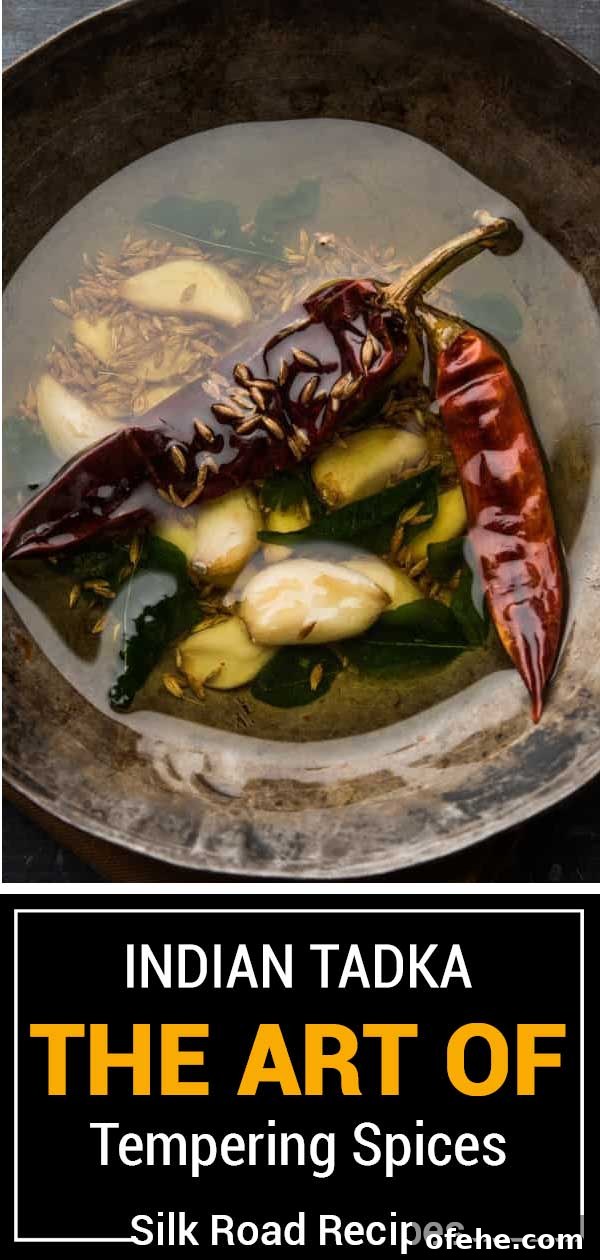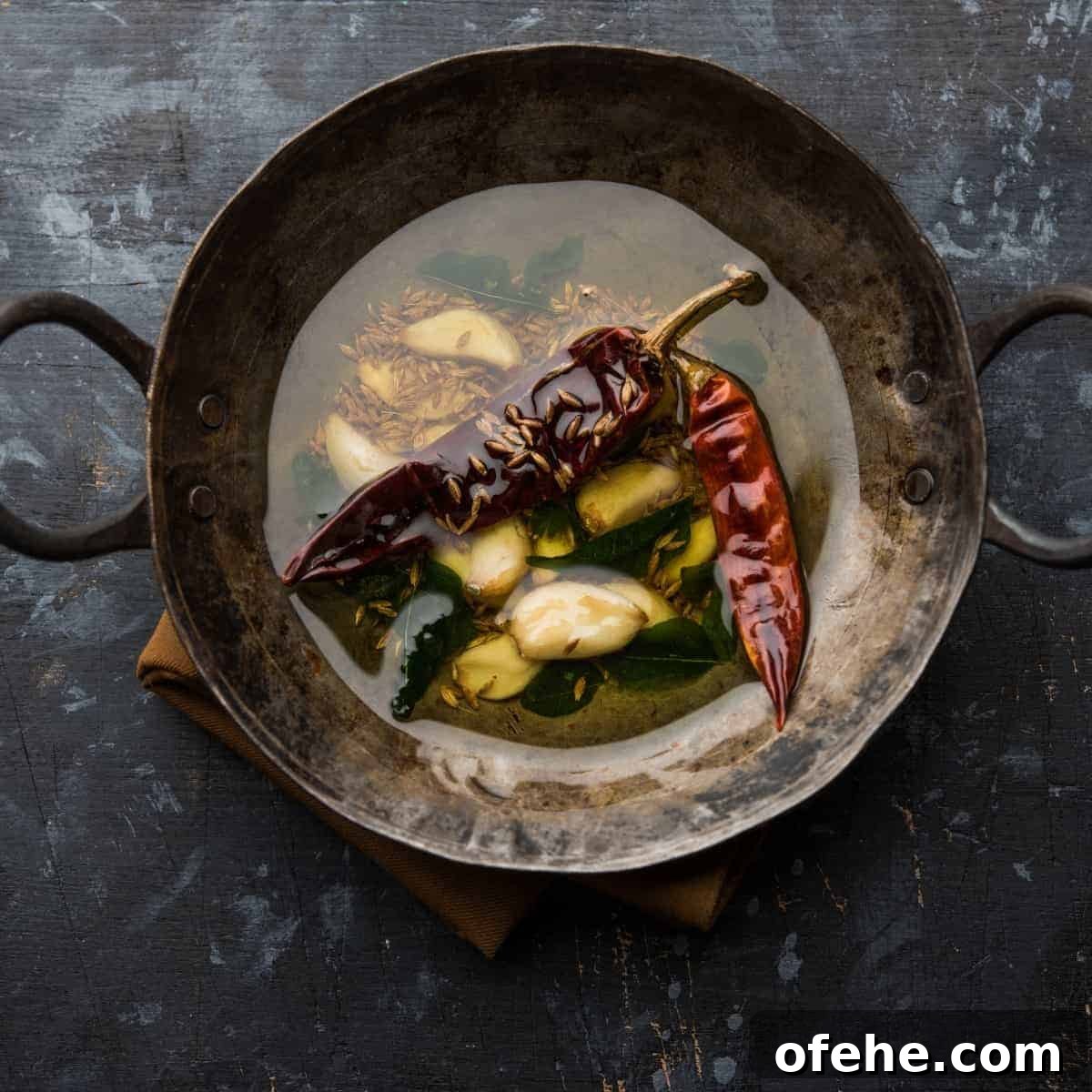
Indian tadka is the practice of frying whole or ground spices in hot oil or ghee to release their aroma and flavor. Read on to learn how tempering spices can elevate simple dishes with vibrant taste and fragrance.
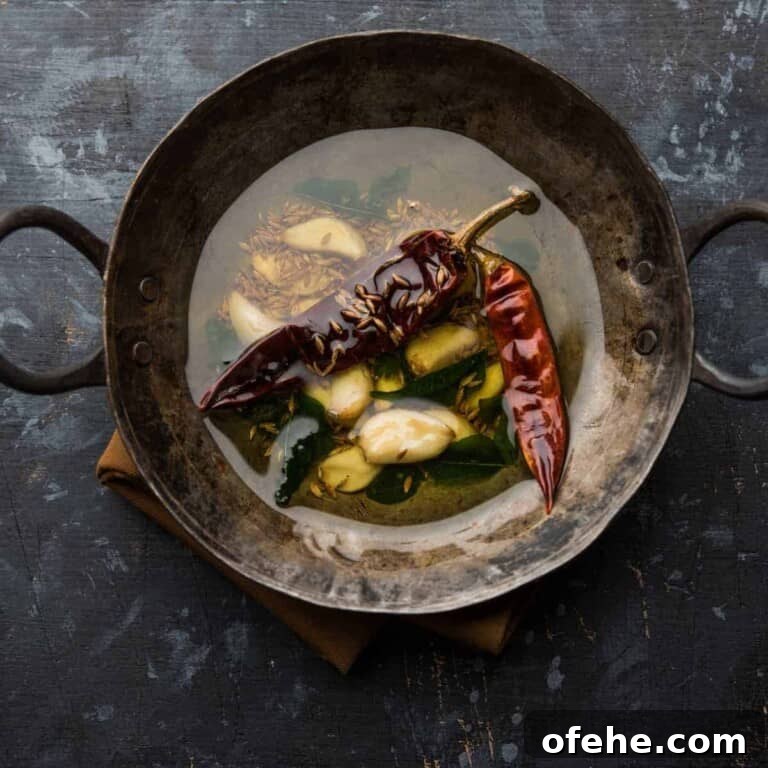
Indian cuisine is celebrated worldwide for its bold flavors, fragrant spices, and comforting textures. From creamy butter chicken and hearty chana masala to rich dal gosht, many beloved dishes gain depth from a final or initial splash of spice-infused oil or ghee.
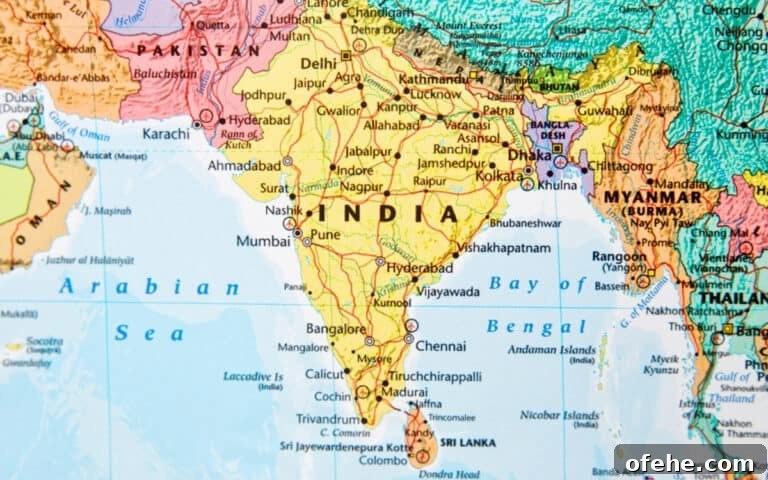
That flavored fat—created by frying spices—is called by different names across regions. The technique and the resulting oil share similar names, reflecting the central role this method plays in Indian cooking.
Indian Tadka
Alternate names / spellings: tarka, chhonk, chaunk, bagar, baghaar, phodni, vagarne, oggarane
The Hindi word tadka can mean both the action of tempering and the spiced oil produced by that action. In English it is commonly translated as “to temper” or “tempering.”
In English, tarka means, to temper, or tempering.
The Tarka Technique: Tempering Spices
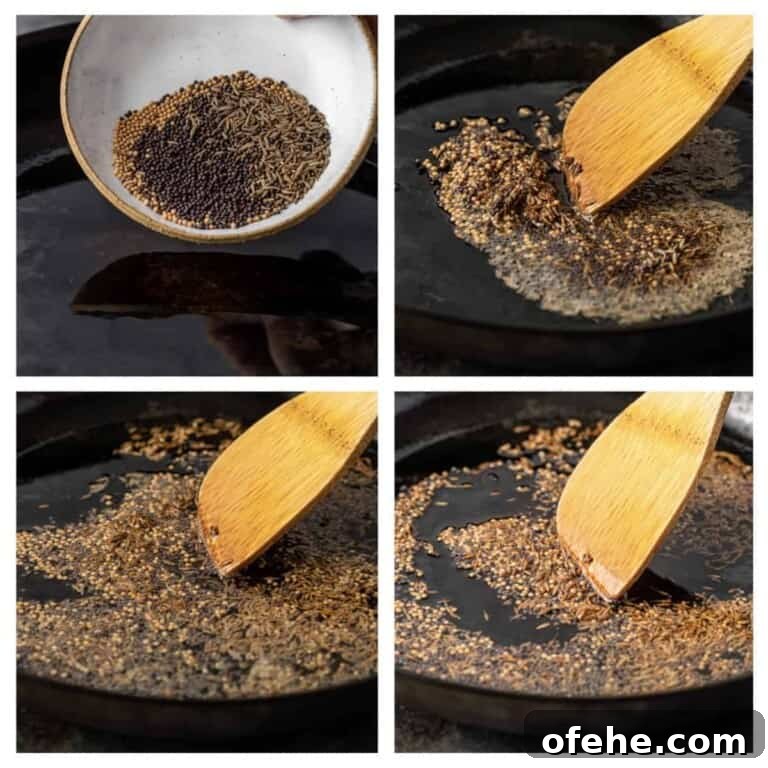
Tempering spices is straightforward in concept but benefits from attention and timing. Whole spices and ground spices behave differently in hot fat, so grouping and sequencing them prevents burning and produces the best flavor.
NOTE:
Tempering spices is distinct from tempering chocolate—the two are unrelated processes that share a name in English.
When tempering spices, you fry or roast whole or ground spices in a chosen oil or fat—often ghee—to bloom the spices and coax out volatile oils and aroma compounds. The resulting spiced oil becomes a concentrated flavor booster.
Tempering chocolate, by contrast, involves carefully heating and cooling chocolate to stabilize its structure for confections.
The tarka technique involves blooming the spice mixture in hot fat. The finished spice-infused oil, also referred to as tarka, is added to a dish to heighten aroma and taste.
When to Make and Use Indian Tadka
Tadka can be incorporated at different stages of cooking depending on the effect you want. There are three common approaches:
- At the beginning of cooking
Begin by heating oil or ghee and frying whole spices, aromatics, or ground spices briefly to flavor the fat, then add vegetables, onions, tomatoes, lentils, or protein to the pot so they cook in that spiced base.
- During cooking
Temper a spice mix partway through simmering a curry, stew, or dal and stir it in. This boosts flavor while allowing the spices to meld with the dish. Note: whole spices take longer to infuse than ground spices; add whole spices first, then ground spices a minute later to avoid burning.
- As a finishing garnish
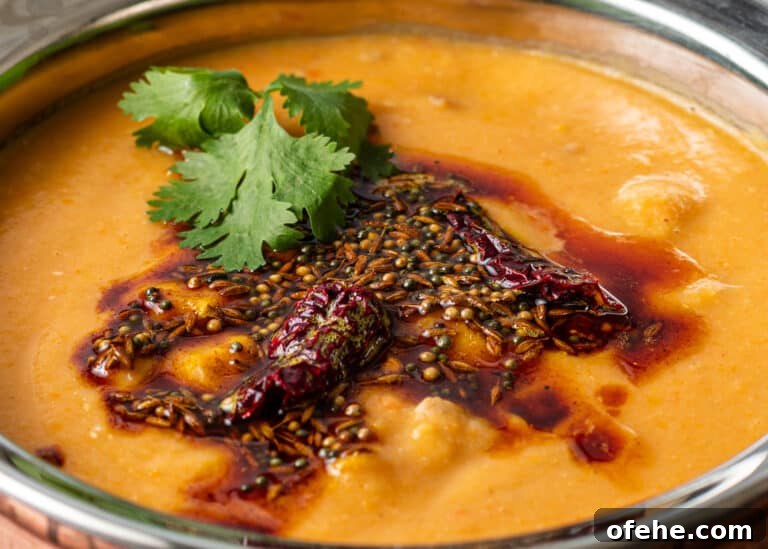
Drizzling hot tadka over a finished dish releases a burst of aroma and flavor right before serving. It works beautifully on soups, lentils, roasted or steamed vegetables, eggs, and grain bowls.
Whichever method you choose, tadka provides a concentrated hit of flavor and fragrance that transforms simple ingredients into a more complex, satisfying dish.
FAQ
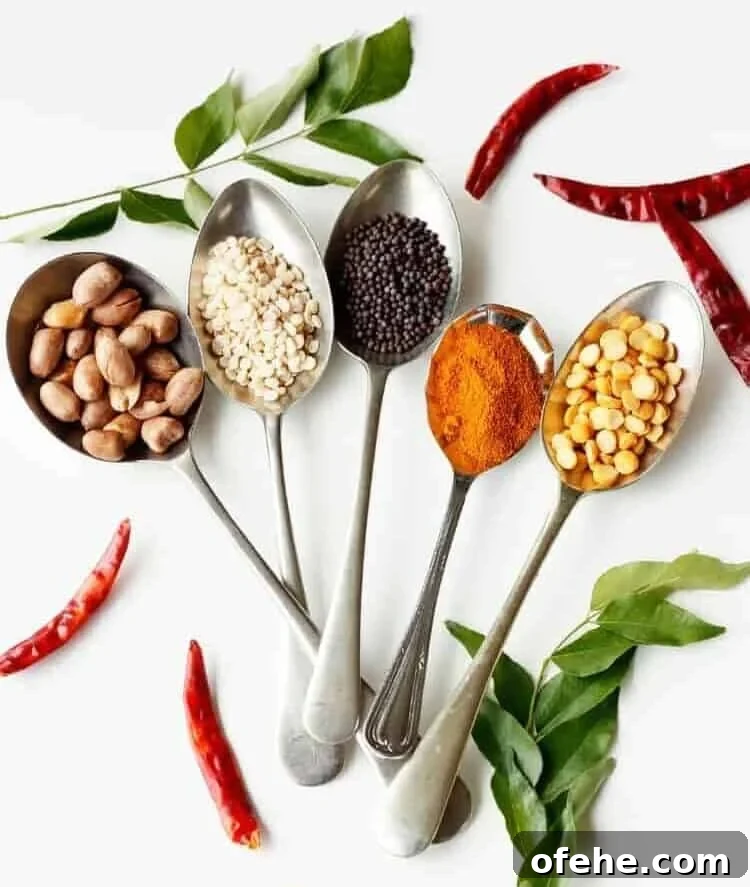
The spices used in a tarka vary with the recipe and regional preference. Common whole spices include mustard seeds, cumin seeds, fennel, fenugreek, coriander seeds, cloves, cinnamon, and cardamom. Ground spices like turmeric, chili powder, and ground coriander are also used, often added later to avoid burning. Aromatics such as garlic, ginger, and shallots may be fried in the oil, and edible leaves—curry leaves, bay leaf, or kaffir lime leaf—add a distinct herbal note.
Oils and fats with a higher smoke point are generally preferred so the spices can be cooked without burning. Neutral oils such as canola, peanut, safflower, or grapeseed work well. Ghee or clarified butter is traditional and excellent because it resists burning and adds its own rich flavor. Choose a fat that allows you to control heat and prevents bitter, burnt notes.
If you enjoy exploring flavors, try experimenting with different combinations of whole seeds, dried chiles, fresh aromatics, and leaves to create your own signature tadka. A small amount of hot, spiced oil can completely change the character of a dish—use it thoughtfully and adjust quantities to taste.