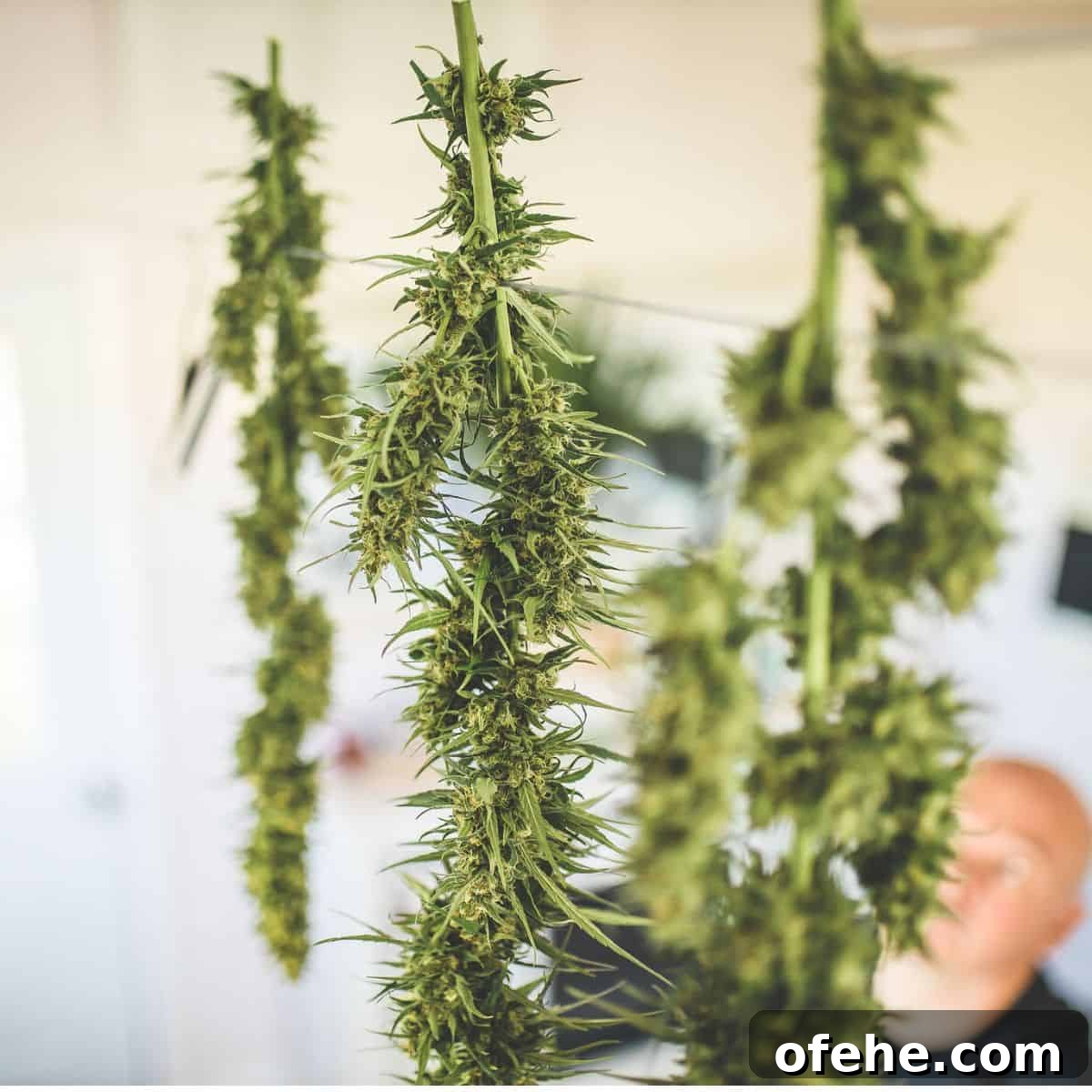
Have you just finished harvesting your plants? Drying is one of the most important steps after harvest. Taking the time to dry correctly preserves aroma, flavor, and potency. This guide walks you through the key steps so you get the best possible result from your harvest. 🌿✨
Article Features
- Proven techniques to protect aroma, taste, and potency
- How to manage the conditions that prevent mold and preserve quality
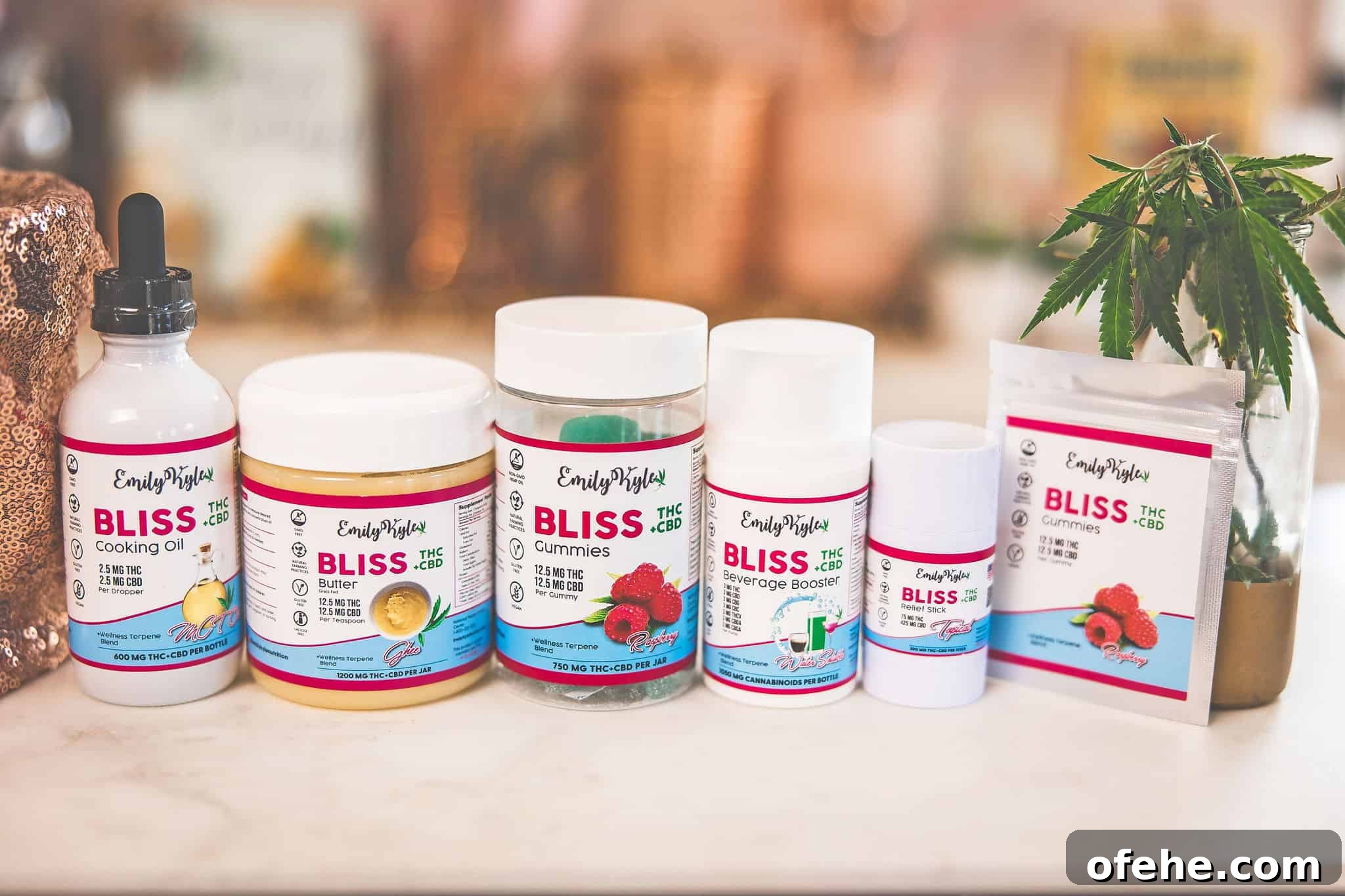
- Prefer not to dry yourself? Shop for premium, high-quality cannabis products delivered to your door.
Why You Will Love This Guide
Hello and welcome! Are you in the middle of harvest season?
A community member recently asked:
“How can I best retain flavor and potency after harvest? What’s best for long-term storage?”
If you’ve wondered the same, this guide will help you preserve aroma and effects so your harvest performs as intended.
As a homegrower, I know how much care you put into your plants. The drying stage should honor that effort. Below you’ll find practical advice on choosing and controlling the drying environment—temperature, humidity, airflow, and light—and on how to hang and handle plants for optimal results.
Understand these steps and you’ll unlock the full potential of your harvest for a smoother, more flavorful, and more potent final product. Let’s get started 🌿
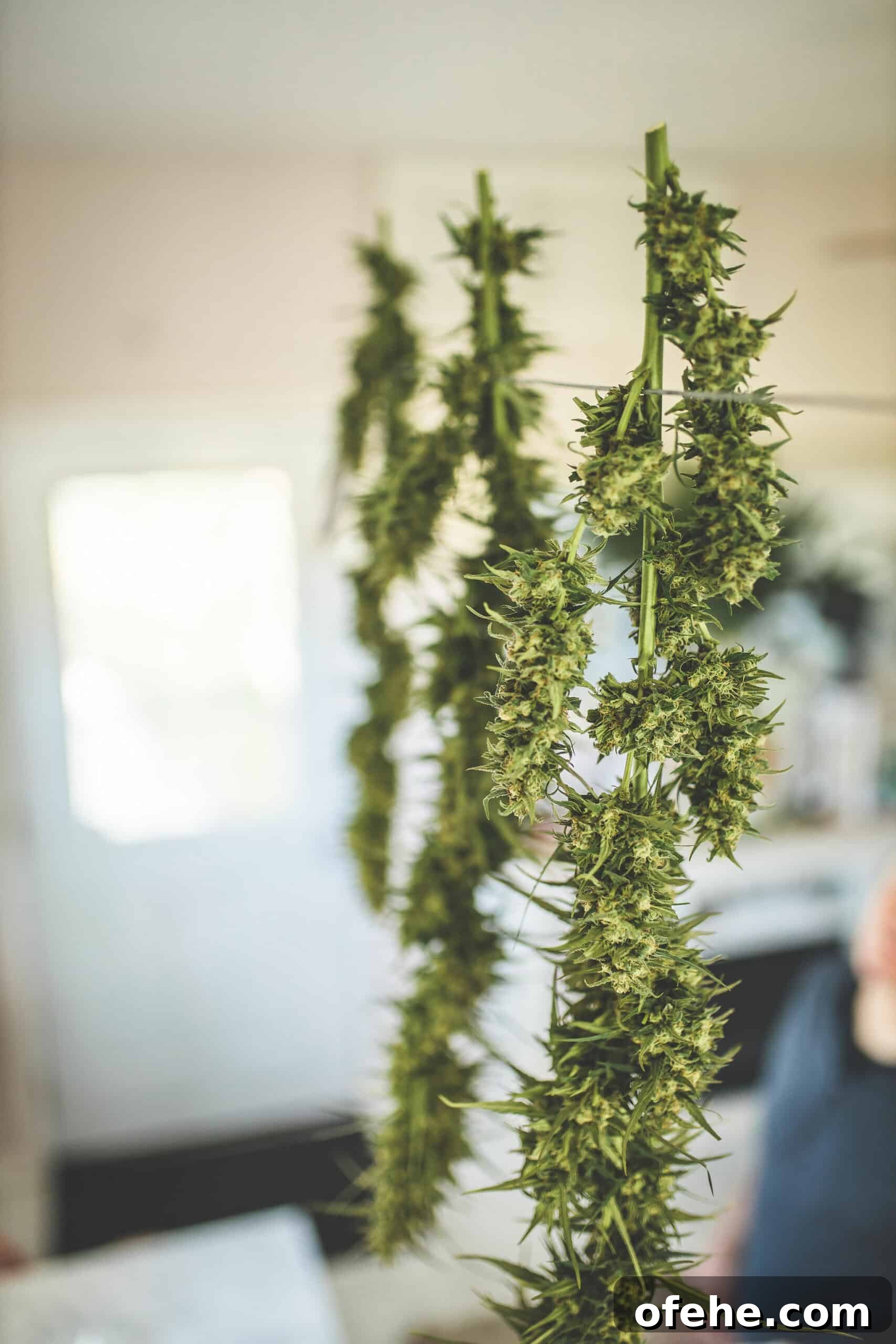
P.S. Here’s a peek at a properly set up drying room as an example of what to aim for.
Why Should You Dry Cannabis?
Freshly harvested cannabis contains a lot of moisture. If that moisture isn’t removed and managed, mold and mildew can take hold. Proper drying prevents spoilage and health risks while improving taste, aroma, and potency by allowing chlorophyll to break down and terpenes and cannabinoids to stabilize.
You invested time and care growing your plants; drying is the next essential step to preserve that work and produce a high-quality final product.
⚠️ Warning If You Don’t Dry Properly
Skipping or rushing drying can produce harsh, unpleasant smoke and reduced potency, and it increases the risk of mold. Proper drying is critical to preserve both safety and quality.
Step #1 – Prepare Your Drying Space
Prepare the room before you harvest. You’ll want a space where airflow, humidity, temperature, and light can be controlled. This doesn’t need to be elaborate — a small bathroom, closet, spare room, or a tent inside a larger area can work if set up correctly.
Key factors to manage:
- Airflow
- Humidity
- Temperature
- Light
Airflow
Air movement helps remove moisture and keeps drying even. Use gentle circulation—fans are useful, but avoid blowing air directly onto the plants. Too much direct airflow dries flowers unevenly and can make them brittle; too little airflow increases mold risk. Adjust fan speed and placement to maintain a steady, indirect breeze through the room.
Airflow Overview 📝 Keep air moving to prevent stagnation and mold, but don’t blow directly on buds.
Humidity
Humidity is crucial during drying. Aim for about 50% relative humidity for the first few days to slow the drying process and preserve terpenes and cannabinoids. As drying progresses you can adjust levels slightly based on how quickly the stems snap and how the buds feel. A hygrometer helps monitor conditions; in many setups a dehumidifier or humidifier will be needed to maintain stable levels.
Humidity Overview 📝 Start around 50% RH to encourage a gentle, even dry that protects flavor and potency.
Temperature
Maintain a moderate temperature—roughly 64–68°F (18–20°C). Too hot and the flowers dry quickly, losing terpenes and becoming harsh; too cold and drying stalls, which raises mold risk. A steady, moderate temperature helps chlorophyll break down gradually and preserves cannabinoids and aromas.
Temperature Overview 📝 Keep the room stable around 64–68°F for best results.
Light
Keep the drying area dark. Light, especially UV, degrades THC and other cannabinoids. Drying in darkness preserves potency and protects delicate terpenes. Cover windows or choose an interior space without direct light exposure.
Sunlight Tip 📝 Darkness is your friend—avoid sunlight and strong artificial light during drying.
Step #2 – Prepare Your Plant for Harvest
Before cutting, do a few simple things to make drying and trimming easier. Being prepared saves time and reduces stress during harvest.
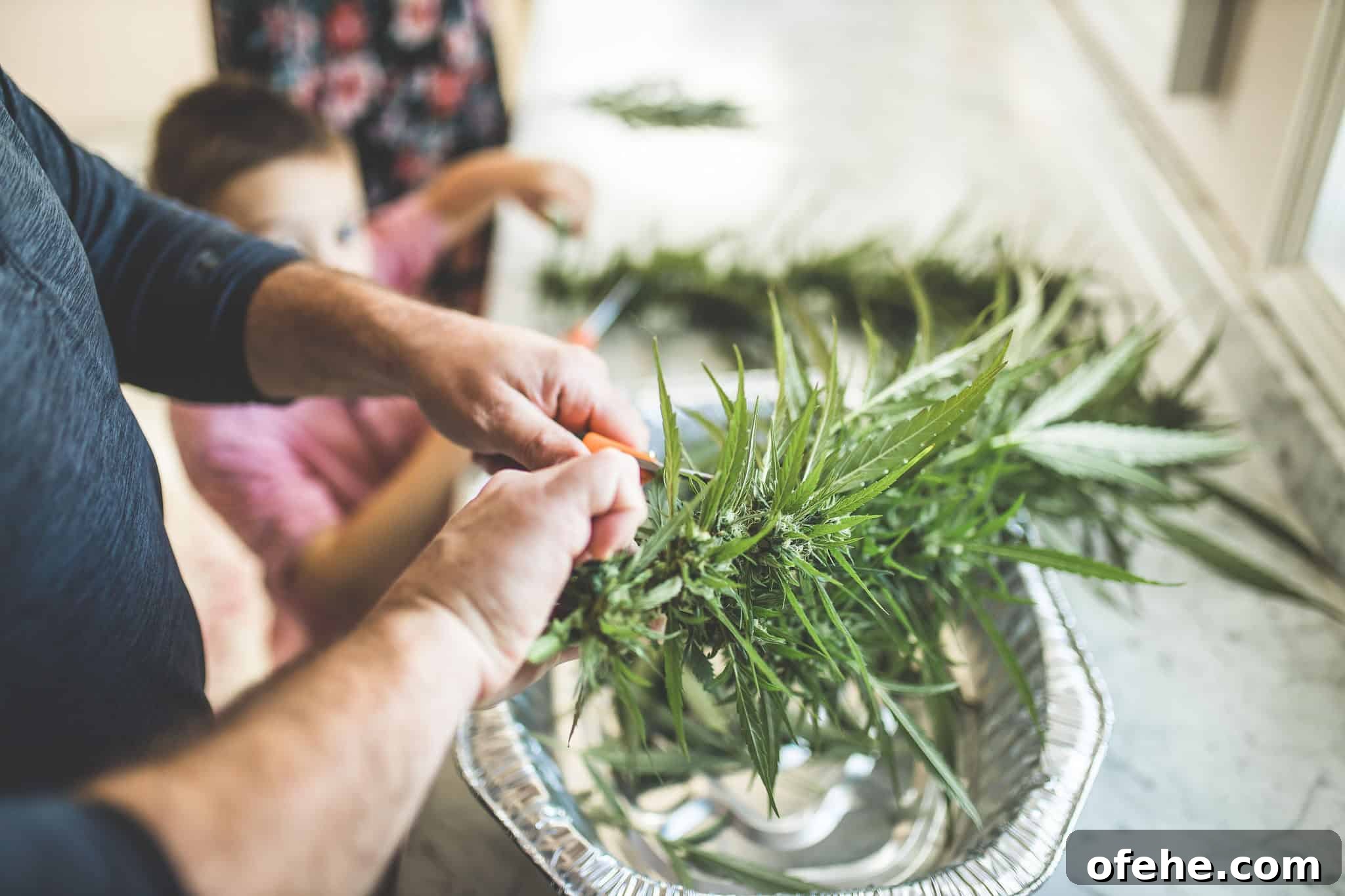
Remove the Fan Leaves
Remove the large fan leaves; they contain little resin and mostly chlorophyll that can cause harsh flavors. Some growers defoliate a few days before harvest; others remove fan leaves just before cutting. Save or compost them if you like, or reserve for other uses.
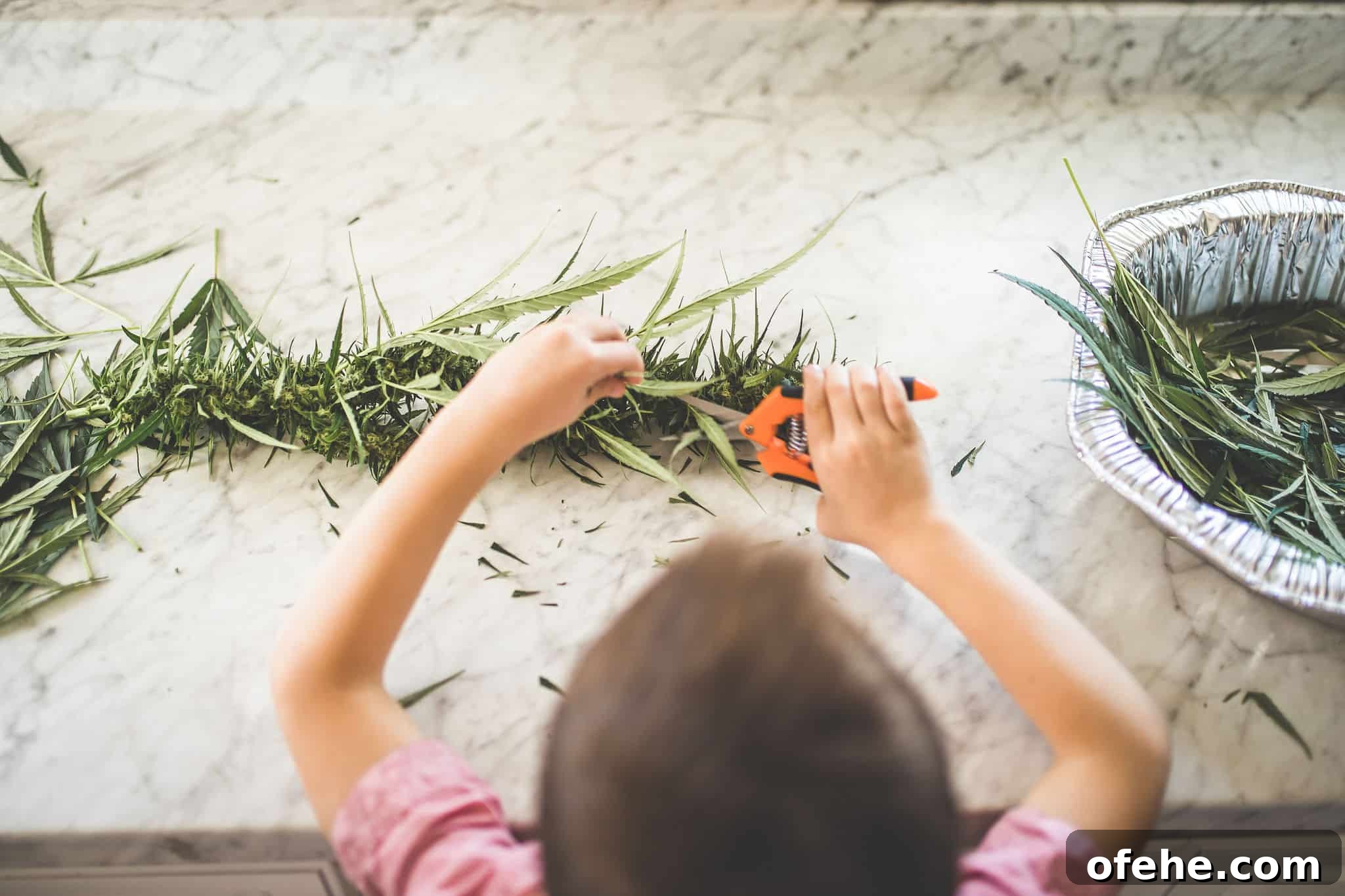
Cut Down by Branch
You can cut plants down whole or by branch depending on your drying space. Hanging whole plants works well when space allows; otherwise cut and hang individual branches. Save extra plant parts like root balls if you plan to make tinctures or other extracts.
Wash if Desired
Washing is optional but useful for outdoor-grown plants to remove pests and debris. If you wash, dry conditions must be carefully controlled because the extra moisture raises mold risk—ensure good airflow and appropriate humidity until plants have dried.
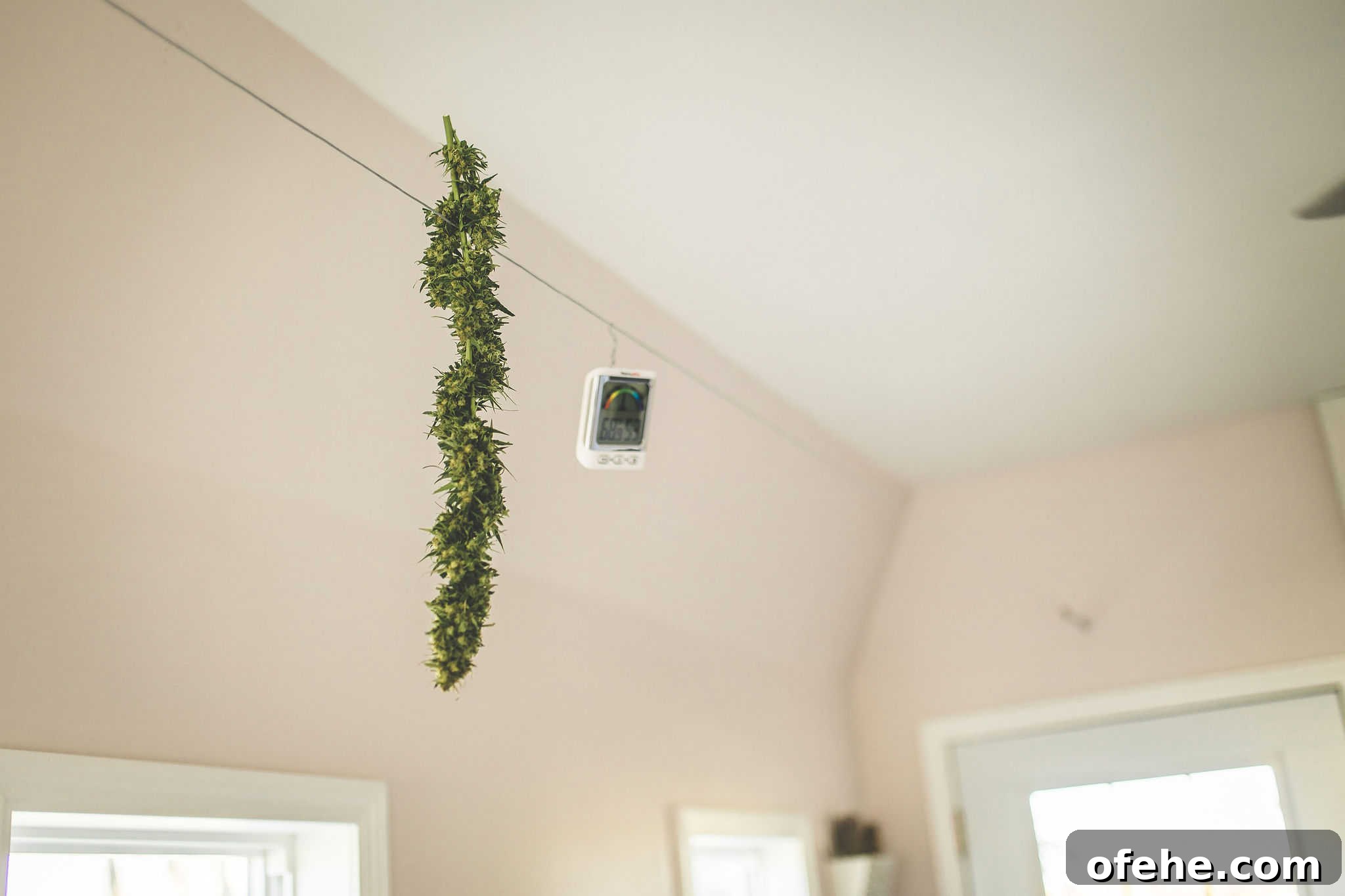
Step #3 – Hang to Dry
Hang branches or whole plants upside down in your drying room. Use hangers, string, or a drying rack to keep buds spaced for airflow. Drying usually takes 7–14 days depending on conditions.
Sample schedule:
- Days 1–3: 64–68°F, ~50% humidity
- Days 4–7: Maintain temperature; gradually adjust humidity to slow or speed drying based on how stems feel
Trim Additional Leaves
Trim sugar leaves either wet (before drying) or dry (after hanging) according to preference. Sugar leaves carry trichomes and can be saved for extracts, edibles, or topicals.
Cut Down to Buds
When branches feel dry to the touch and stems snap rather than bend, trim buds from stems and prepare them for curing.
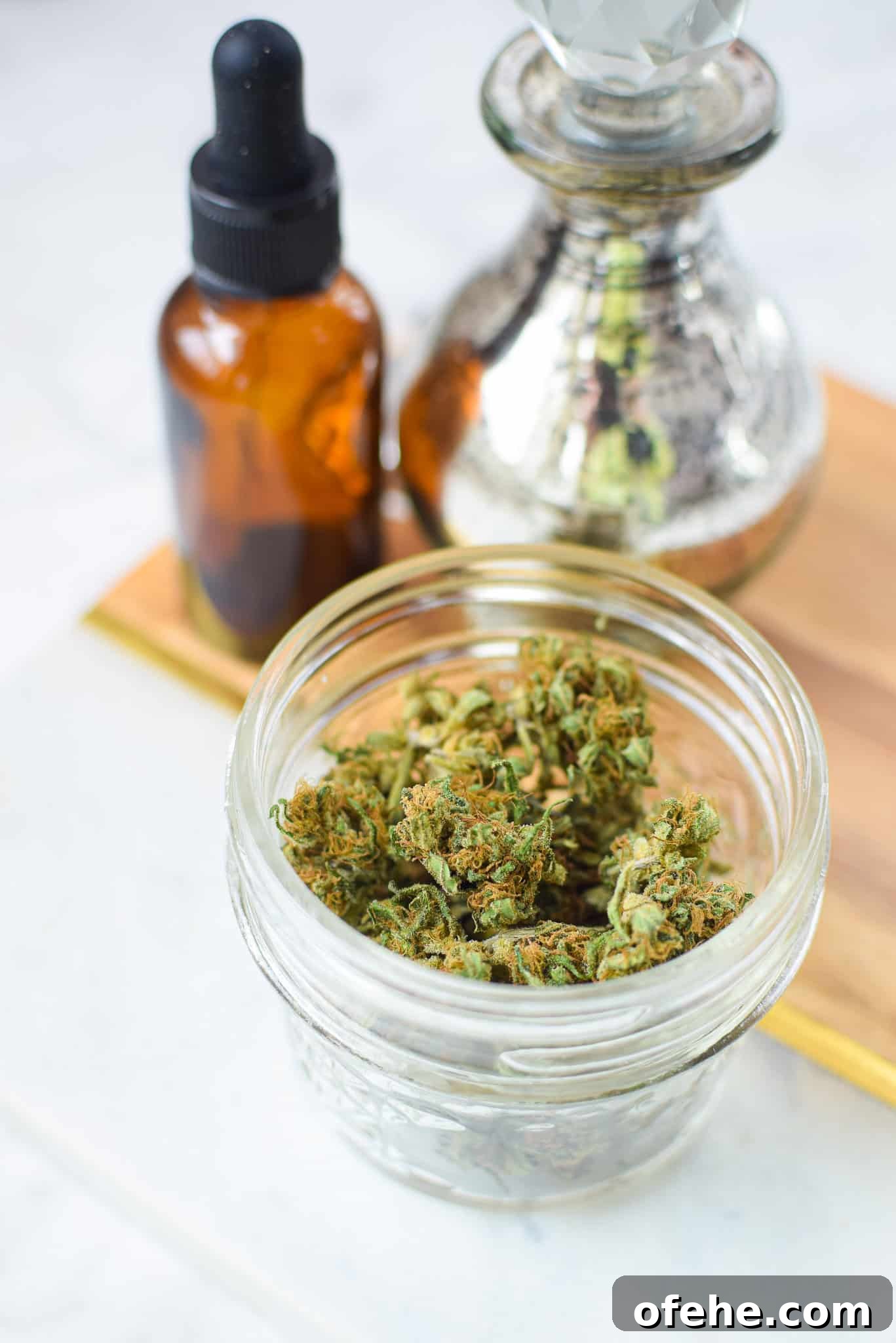
Weigh Your Harvest
Pro tip: Weigh your dried buds to record your final yield before packaging and curing.
Introduction to Curing
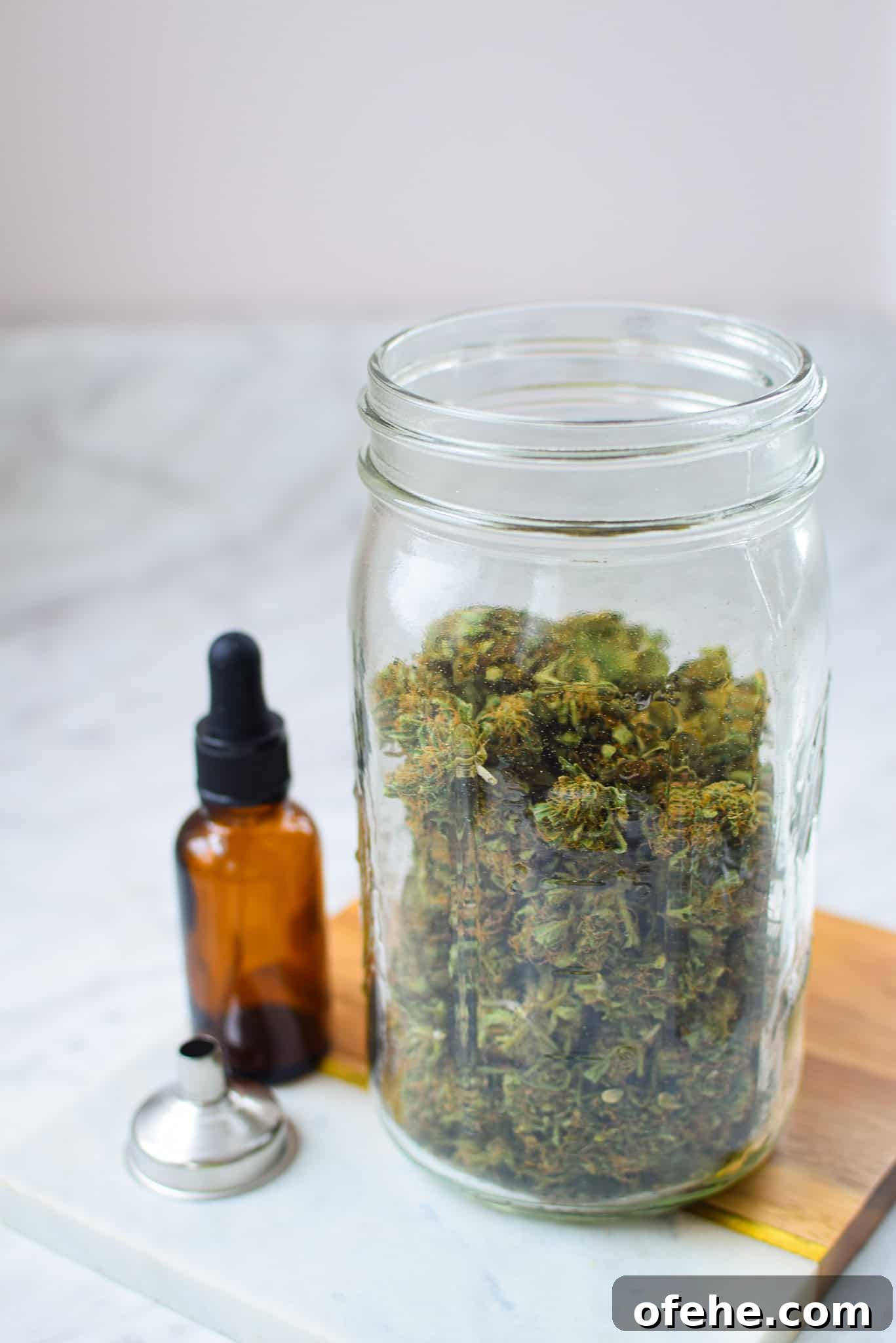
Curing follows drying and is essential for flavor and potency. Place dried buds in airtight containers and store them in a cool, dark place. For the first few weeks open jars daily (burp) to release gases and check moisture. Curing typically takes two to eight weeks and improves smoothness, aroma, and longevity.
Frequently Asked Questions
Washing is optional and often helpful for outdoor plants. If you wash, monitor humidity and airflow carefully to avoid prolonging wet conditions that encourage mold.
Use a hygrometer to monitor humidity and an appropriate humidifier or dehumidifier to keep levels steady—start around 50% RH and adjust as drying progresses.
Both work. Wet trimming is faster and tidier; dry trimming can preserve a slightly different terpene profile. Choose what fits your workflow and desired end result.
Typically 7–14 days depending on temperature, humidity, and airflow. Monitor stems—when they snap instead of bend, drying is usually complete.
Remove contaminated material immediately and increase airflow and ventilation. Discard moldy buds—do not consume them.
Conclusion
Drying is both an art and a science. With patience and careful control of airflow, humidity, temperature, and light, you’ll protect terpenes and cannabinoids and end up with flavorful, potent, well-preserved buds. Each small choice in this process influences the final quality, so invest the time to get it right and enjoy the rewards of a well-cared-for harvest.
If you want more tips and a concise harvest checklist, consider keeping a simple log of conditions during drying and curing—over time you’ll refine methods that work best for your environment and strains.
More Guides You Will Love

Free Resources
Sign Up: Free Cannabis Harvest Resource Guide 🍃
Growing Cannabis
How to Harvest Outdoor Cannabis Plants
Articles & How-To Guides
What You Need To Know About Cannabis Trichomes
Articles & How-To Guides