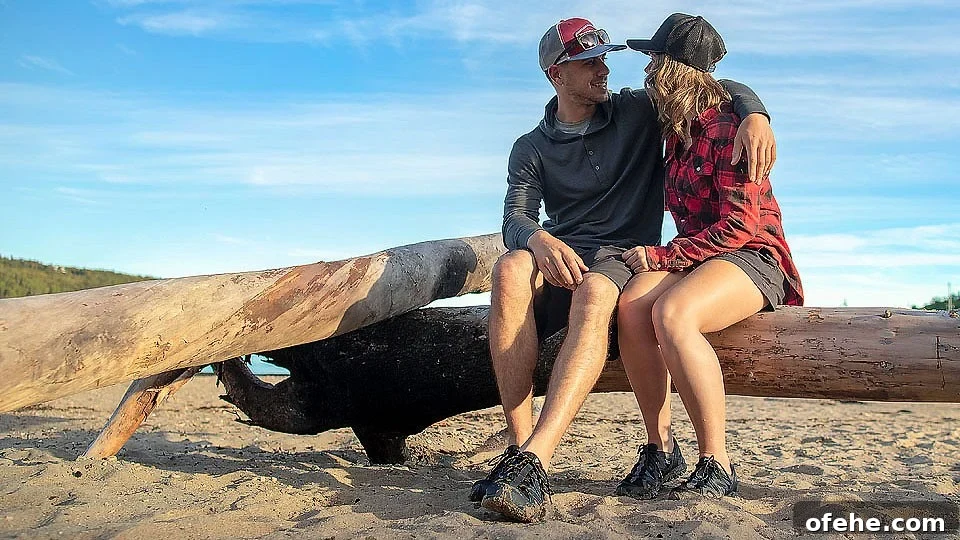
The Québec Maritime region was the second area we explored on our recent road trip. It spans four eastern Québec regions—Côte‑Nord, Bas‑Saint‑Laurent, Gaspésie and the Îles de la Madeleine—and is renowned for dramatic coastal scenery, abundant wildlife and world-class whale watching. These coastal destinations attract travelers from across Canada and around the globe.
Outside the winter months, Québec Maritime offers excellent hiking and outdoor programs that showcase local wildlife such as white‑tailed deer, caribou and moose. Trails, lookout points and guided excursions make it easy to experience the region’s natural diversity up close.
Sea Kayaking
Paddling on the St. Lawrence at sunset is one of the most memorable ways to experience the coast. We visited in late September when water temperatures were around 4 °C, so warm, waterproof clothing is essential.
We had planned a sea kayak tour with Mer et Monde Ecotours departing from Les Bergeronnes. The excursion typically lasts about 3 hours and 30 minutes and offers opportunities to spot marine life and coastal birds. Les Bergeronnes is a hub for ecotourism with activities ranging from whale watching and kayaking to hiking, berry picking and camping along the St. Lawrence.
Unfortunately, our kayak trip was cancelled due to brisk wind despite the rain having stopped. Safety comes first, so we left with another good reason to return and try again.
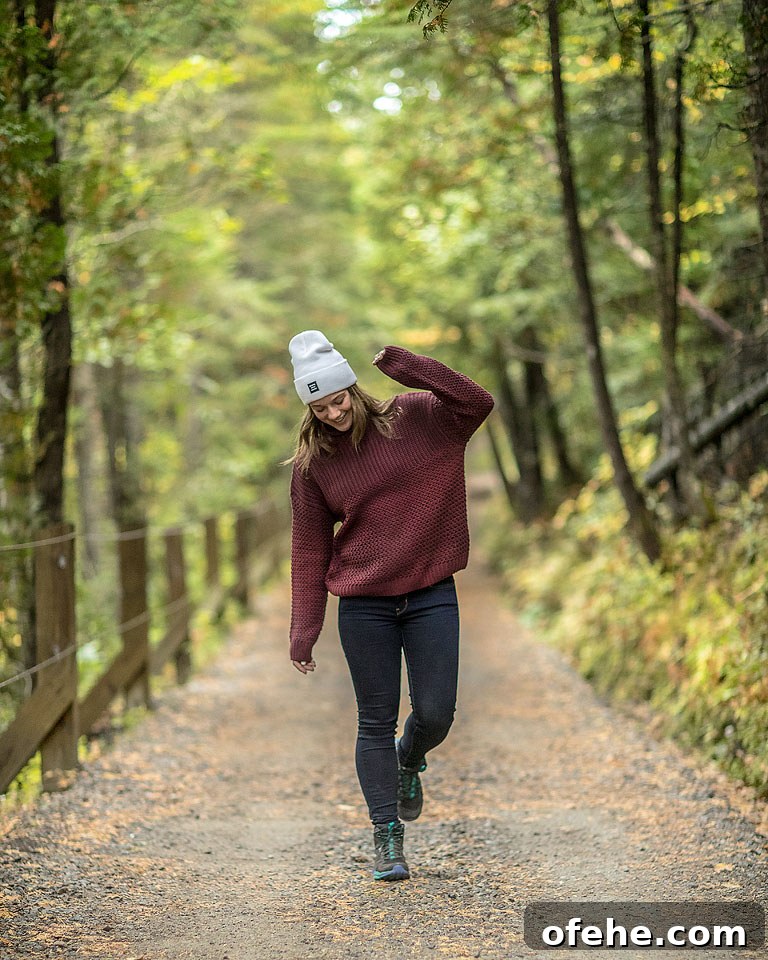 I wore waterproof Merrell MQM Flex hiking shoes for the wet, changeable weather. They were comfortable and kept my feet dry on muddy trails.
The Saguenay – Saint‑Laurent Marine Park
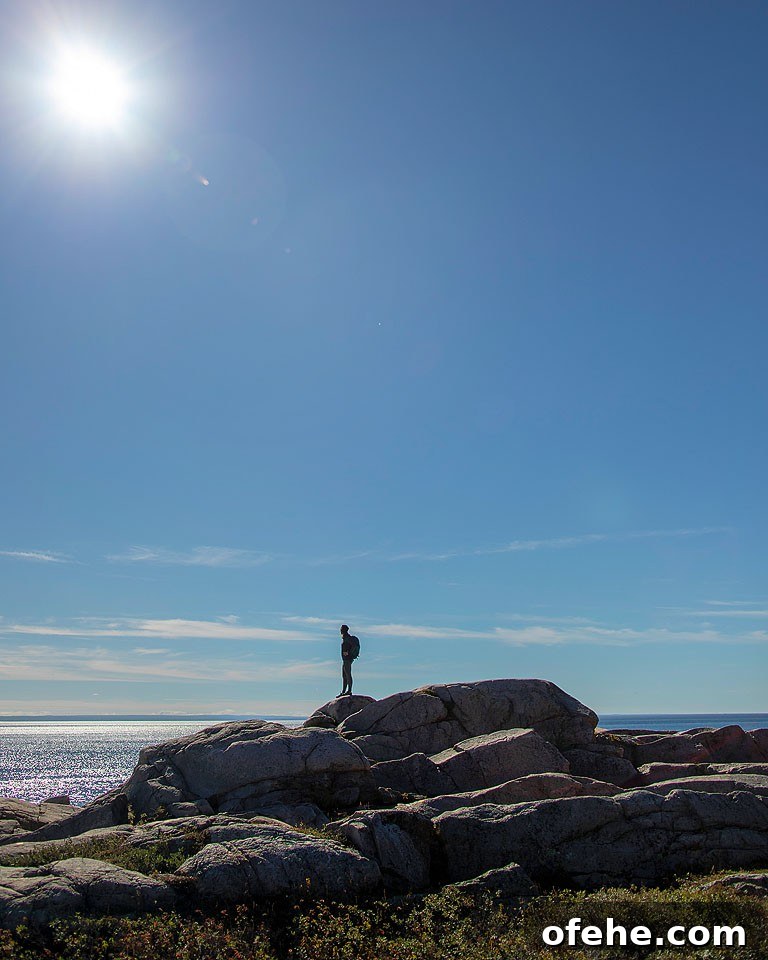
The Saguenay Fjord National Park was a highlight of our visit. Located where the Saguenay River meets the St. Lawrence, this dramatic landscape offers outstanding wildlife viewing from the shoreline, including whales, seals and many seabird species.
There is a wide range of activities here: hiking, cycling and several marine options are available for different interests and fitness levels. The Halte du Béluga is a popular spot where belugas often come close to shore to feed, so it’s a great place for observation. With some luck you may even spot a blue whale.
Weather was mixed during our stay, but we still spotted roughly 10–15 whales, although most were distant. Park staff are regularly on hand during busy periods to help visitors locate and identify sightings—if you see them, stop and ask for tips and information to enhance your experience.
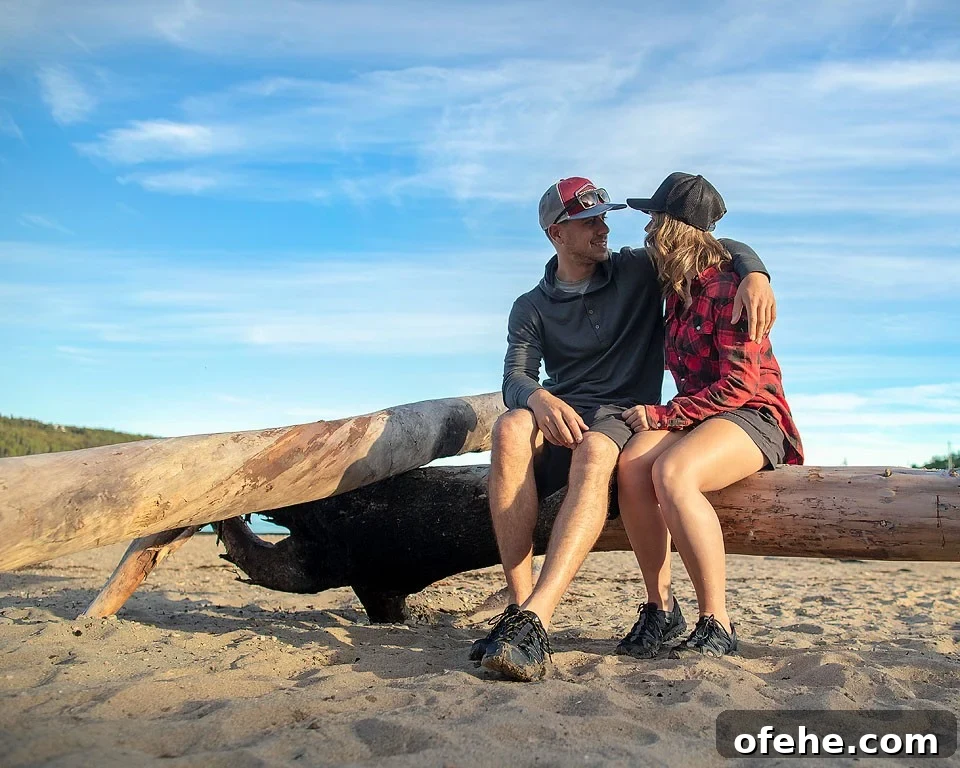
Nearby Tadoussac is worth a stroll. The village is charming, with interesting architecture and a pleasant waterfront. We enjoyed walking along the shore and relaxing on the sand while taking in the views.
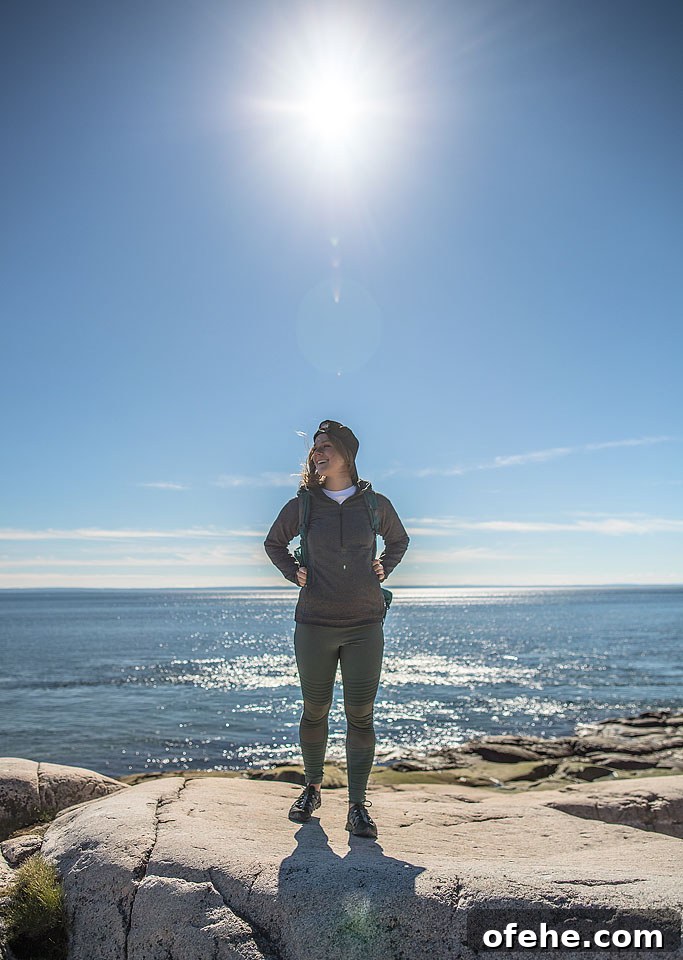 Water shoes were perfect for exploring the shoreline and tidal areas.
You can watch my Québec Maritime region trip vlog in higher resolution on YouTube
Special thanks to Ross Radcliffe for joining me and for contributing many of the photos and video footage from the trip.

Hôtel Tadoussac
We stayed two nights at Hôtel Tadoussac, located at the mouth of the Saguenay Fjord. This landmark hotel, with its classic architecture and long history, is a centerpiece of the village. Tadoussac’s compact size makes it easy to explore on foot, with shops, eateries and viewpoints all within walking distance.
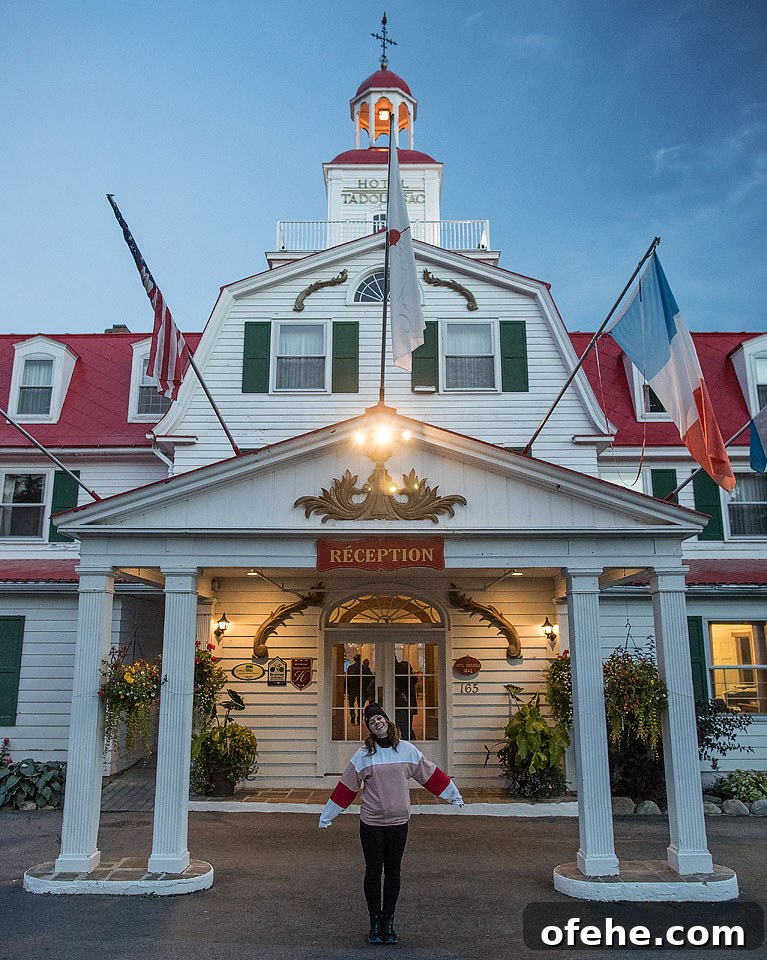
Be sure to take the free ferry across the mouth of the Saguenay Fjord between Baie‑Sainte‑Catherine and Tadoussac. The crossing takes about 10 minutes and runs year‑round, offering a scenic and convenient link between the shores.
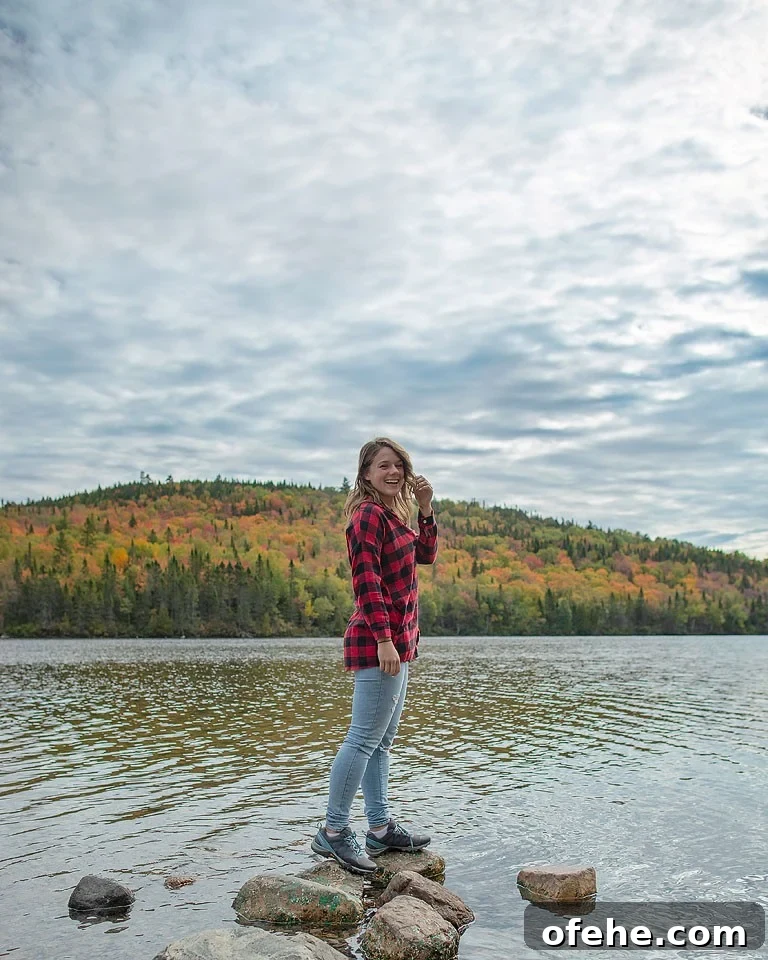
The natural beauty of the Saguenay – Saint‑Lawrence Marine Park is striking. Activities range from sailing and zodiac tours to hiking and fishing, providing options for every kind of outdoor enthusiast.
Across the broader Québec Maritime region there are ten national parks and numerous protected areas to explore. The combination of mountains, forests and seaside scenery makes this region especially rewarding for photographers, hikers and wildlife lovers.

Don’t miss the Marine Mammal Interpretation Centre (CIMM) to learn more about whales and marine ecosystems. The centre displays a sperm whale skeleton more than 13 m long—an impressive reminder of the scale of these animals.
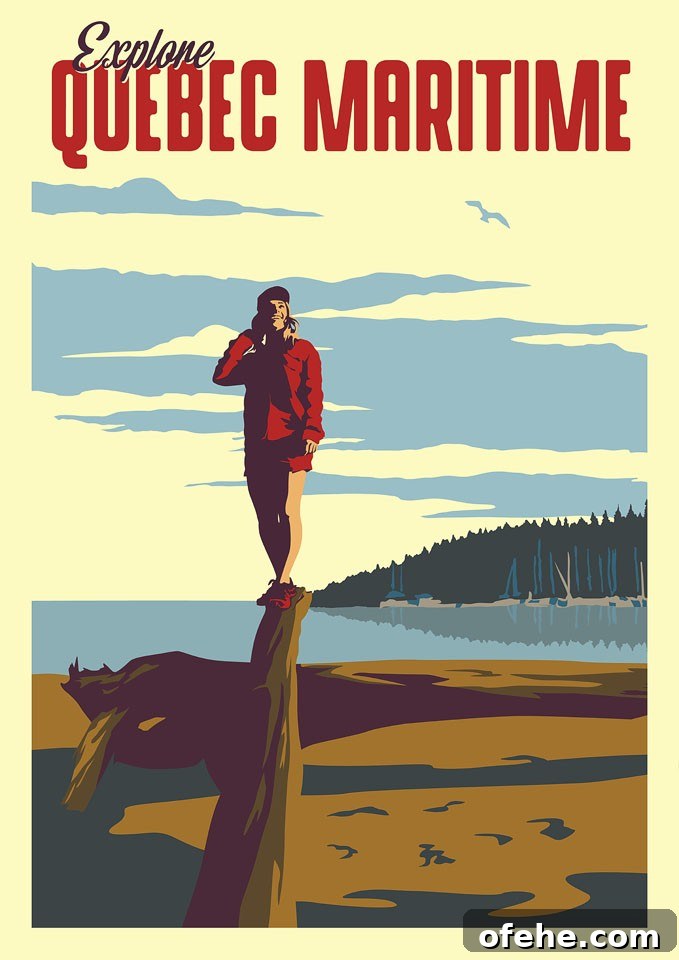
For future visits, I’d like to explore Côte‑Nord and the Îles de la Madeleine to see Atlantic puffins in their natural habitat. These colorful seabirds—often called “sea parrots” for their distinctive beaks—are a delightful sight. I’m also curious about snorkeling with Atlantic salmon in Gaspésie during summer, which sounds like a unique local experience.
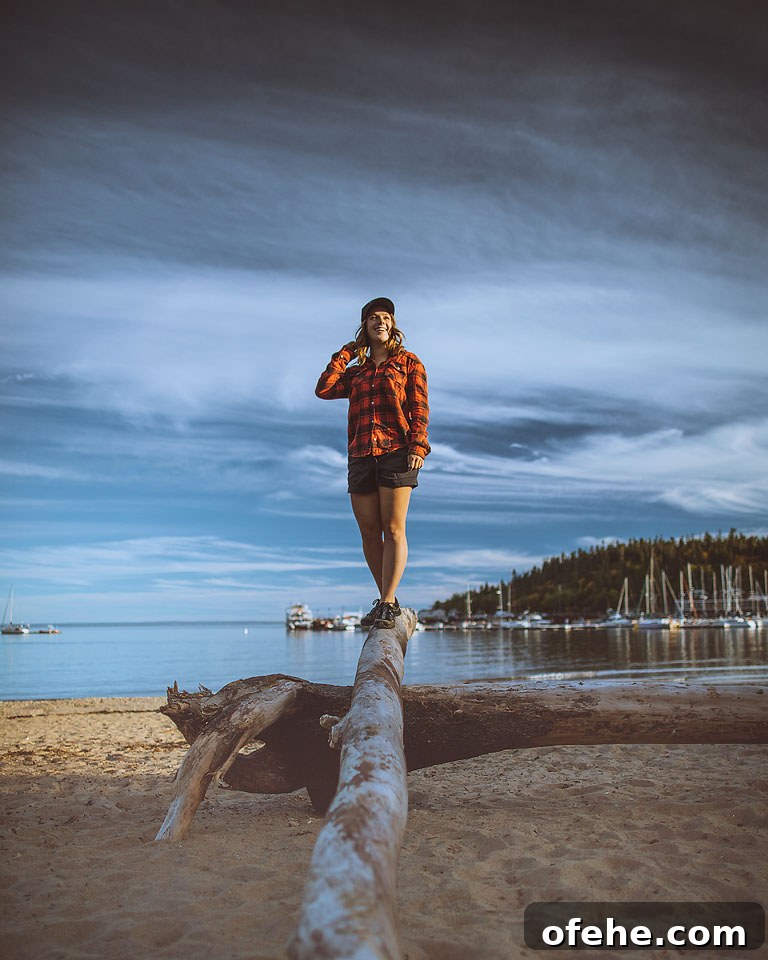
Thanks for following along with my travels. I hope you get the chance to visit Québec Maritime and experience its wild coastlines and rich marine life for yourself.
This post was sponsored by Tourisme Québec and Merrell. All opinions are my own. Thank you for supporting the brands that support my work.