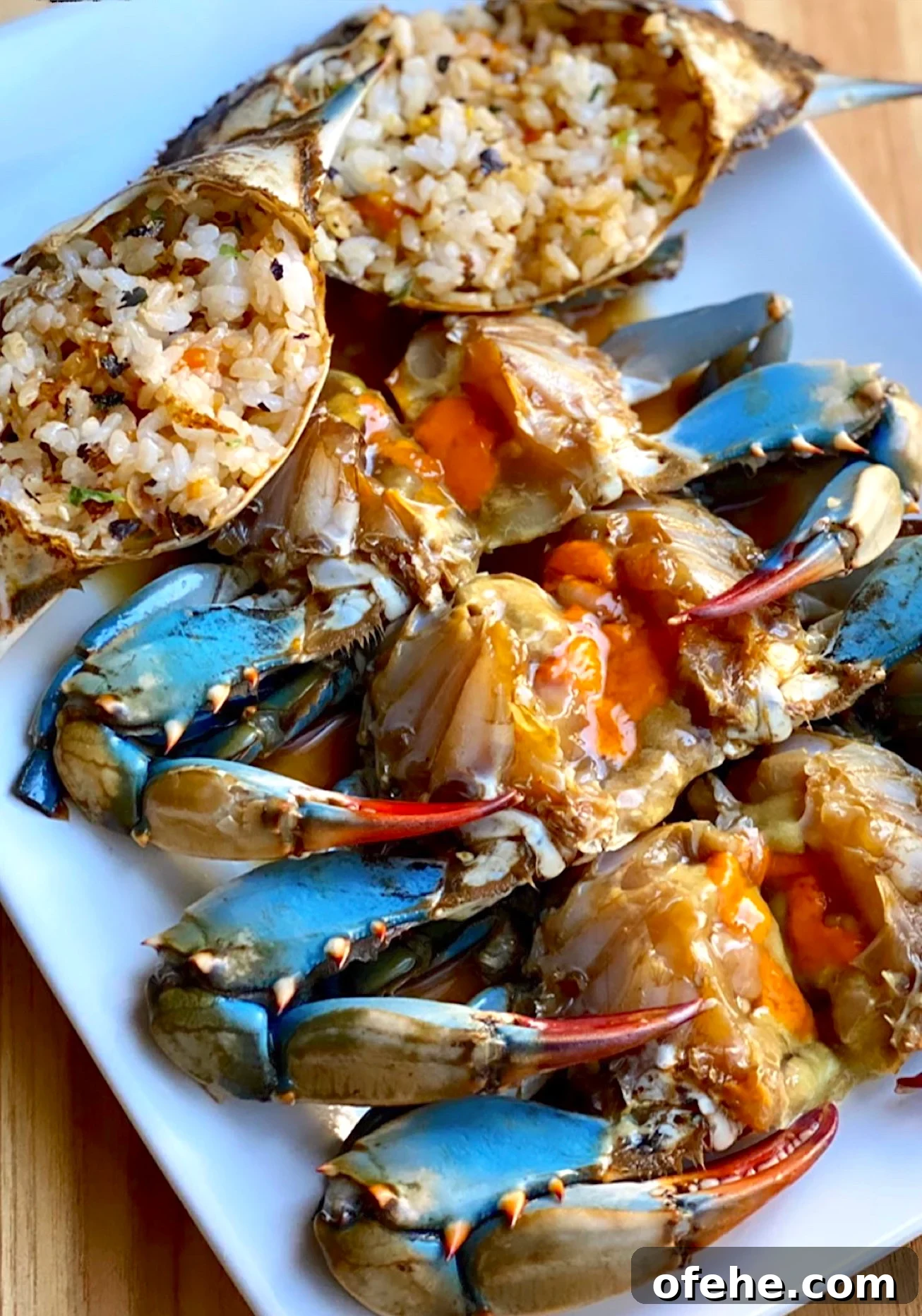
Ganjang gejang is a traditional Korean dish of raw crab marinated in a soy sauce brine and served with rice. While many enjoy the spicy yangnyeom gejang, ganjang gejang remains one of the most classic and widely loved versions. This adaptation follows a family recipe developed over years of refining techniques and flavors.
This recipe is based on my mother’s method. Over time she adjusted proportions and techniques to match the quality of seafood restaurants in Busan. Her approach includes the optional use of MSG to round out flavors; it is common in many traditional recipes and can be omitted if you prefer. The marinade and handling of the crab are the most important parts of achieving a great ganjang gejang.
Where to find live blue crab
Live blue crab or swimming crab are ideal for this recipe. Availability varies by region and season. Local seafood markets and specialty live seafood sellers are the best sources. If you’re outside Korea, the local blue crab is a common substitute for the Korean “ggot-gae” (꽃게), though the Korean variety typically has softer shells and slightly sweeter meat. If you can find the Korean variety, it’s worth trying, but blue crabs make a delicious and accessible alternative.
Female vs. Male blue crabs
For the richest ganjang gejang, choose female crabs. Female crabs often carry roe that contributes extra flavor and a creamy texture that balances the marinade. To identify a female, examine the apron on the crab’s belly: a female’s apron is rounded, while a male’s is more pointed. This is an easy visual cue when selecting crabs.

Note: The ideal crab for gejang in Korea is “ggot-gae,” but when those aren’t available, blue crabs work well. Expect slight differences in texture and sweetness between varieties.
How to break down blue crabs
Important safety note: Crabs must be alive before processing for raw preparation. Dead crabs spoil quickly because enzymes and bacteria can produce off-flavors and harmful compounds. Never use a dead crab for a raw dish.
The following steps describe a careful, practical method to prepare live crabs for marinating. With practice, breaking down a crab becomes fast and straightforward.
Step 1:
Place live crabs in a sealed bag or covered container and chill them in the freezer for about two hours. This slows them down, making them easier and more humane to handle.

While the crabs rest in the freezer, prepare the seasoning sauce for the marinade.
Step 2:
Thoroughly wash each crab under cold running water, using a stiff brush to remove mud and debris.

Step 3:
Remove the apron from the crab’s underside by lifting and twisting it off. Placing the crab on a flat surface and using one hand to hold it steady will help.

Step 4:
Grip the rear-most leg with your non-dominant hand and pull the top shell away with your other hand. The shell may crack; that’s fine. Keep the removed shells—you will clean and reuse them for presentation and marinating.


Step 5:
Remove the gills and any inedible mouthparts or sharp spikes. Gills are technically edible, but they are usually discarded for this dish.

Step 6:
Trim the ends of the legs and optionally the claws to make eating easier. Leaving claws intact is fine for presentation but can be more awkward to eat.

Step 7:
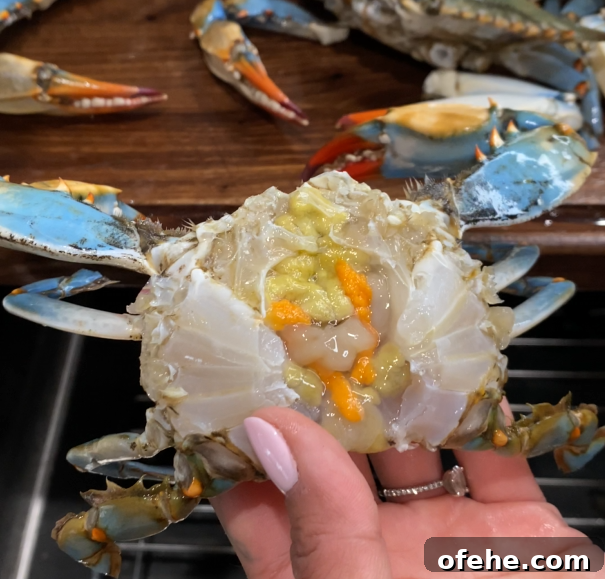
Rinse the cleaned crab bodies again gently; take care not to wash away any roe or fat. Place the cleaned bodies back into the freezer briefly while you prepare and cool the marinade.
Step 8:
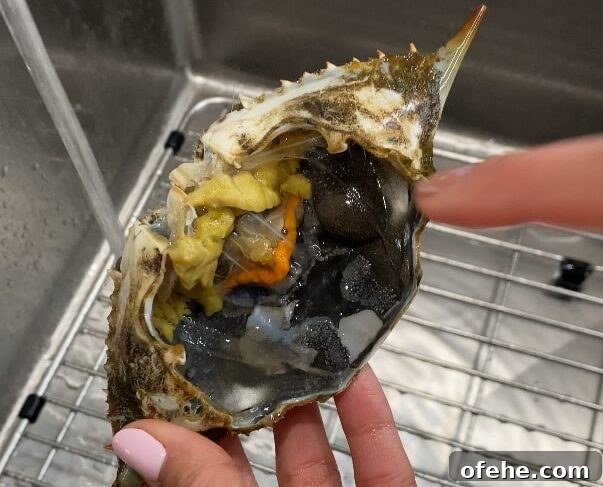
Clean the inner surface of the removed top shells by running cold water through them and scraping away any dark material. Preserve the fat and eggs attached to the body during cleaning—they contribute essential flavor to the finished dish.

Step 9:
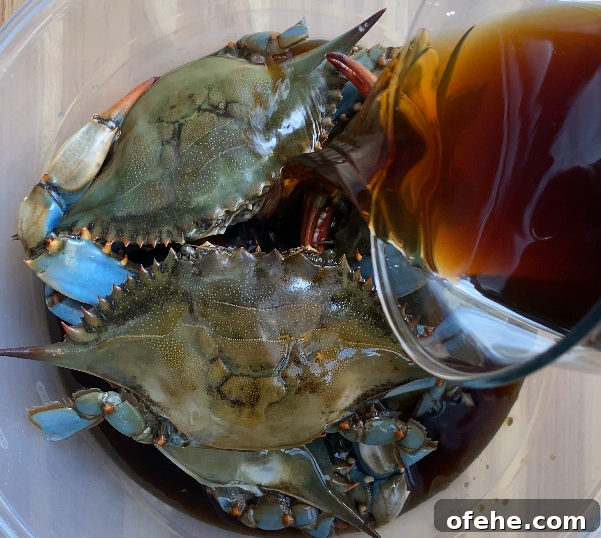
Reattach the cleaned shells to the crab bodies and place them in a non-reactive container. Pour the cooled marinade over the crabs so they are fully submerged.

Eating ganjang gejang is an intimate, hands-on experience. Expect to get messy: use your teeth and fingers to scrape meat from the crevices, and don’t be shy about sucking the briny marinade and roe from the shells. Legs and claws yield less meat but still add to the experience; take care with small shell fragments.
One of the best parts is mixing steamed rice into the shell along with some of the marinade, roe, and fat. It creates an intensely savory, silky bite. I often add furikake to the rice and garnish with thinly sliced fresh peppers and chopped green onions for contrast.
More Seafood recipes
Main Dish
Honey Sriracha Salmon (Easy 20-Minute Recipe)

Korean
Fish Jorim (Korean Spicy Braised Fish)
Korean
Soondubu Jjigae (BCD Tofu Kit)
Seafood
Green Lipped Mussels for Dogs

Ganjang Gejang 간장게장 – Soy Marinated Raw Crab
2 people
Ingredients
- 2 lbs live blue crab or swimming crab
Seasoning Sauce
- 2 sheets (5×5) dried kelp
- 1 small onion, sliced
- 1 small apple, sliced
- 2 Korean peppers, sliced
- 5 garlic cloves
- 1 tbsp fresh ginger, sliced
- 3 dried red chili peppers
- 2 cups low sodium soy sauce
- 6 cups water
- 1/4 cup rice syrup or sugar
- 1/4 tsp black pepper
- 1/4 tsp MSG (optional)
Garnish
- Green and/or red pepper slices
- Chopped green onion
- Furikake for the rice
Instructions
- Place the live blue crabs in the freezer for 2 hours to calm them and make handling safer.
- Combine the seasoning sauce ingredients in a pot. Cover and bring to a boil.
- Once boiling, reduce heat to low and simmer for about one hour to extract flavors.
- Strain the seasoning sauce through a fine sieve or cheesecloth and let it cool completely.
- After the crabs have been chilled, scrub them under cold water with a stiff brush to remove dirt.
- To break down the crab, lift and twist off the apron, then remove the top shell by pulling from the rear leg area.
- Remove the gills and mouth parts with kitchen shears; trim any protruding shell pieces for easier eating.
- Cut off the ends of the legs and the claws if desired for convenience.
- Rinse the crab bodies again carefully, preserving any eggs and fat attached to the body.
- Return the cleaned crabs to the freezer briefly while you finish cleaning the top shells.
- Clean the top shells under cold water, scraping away any dark material without removing too much roe or fat.
- Reattach the cleaned shells to the bodies and arrange the crabs in a non-reactive container. Pour the cooled marinade over the crabs, making sure they are fully submerged.
- Refrigerate for at least one day before eating, up to three days for best flavor. Consume by day four to avoid excessive saltiness.
- Serve with steamed rice. Mix rice into the shell with some marinade, roe, and fat; garnish with sliced peppers, chopped green onion, and a sprinkle of furikake for extra flavor.
Nutrition information is approximate and should be used only as a guideline.
Additional Info
Author: Stella Navarro-Kim
Course: Main Course, Side Dish
Cuisine: Korean
Keyword: Banchan, crab, ganjang gejang, Korean, raw, Seafood