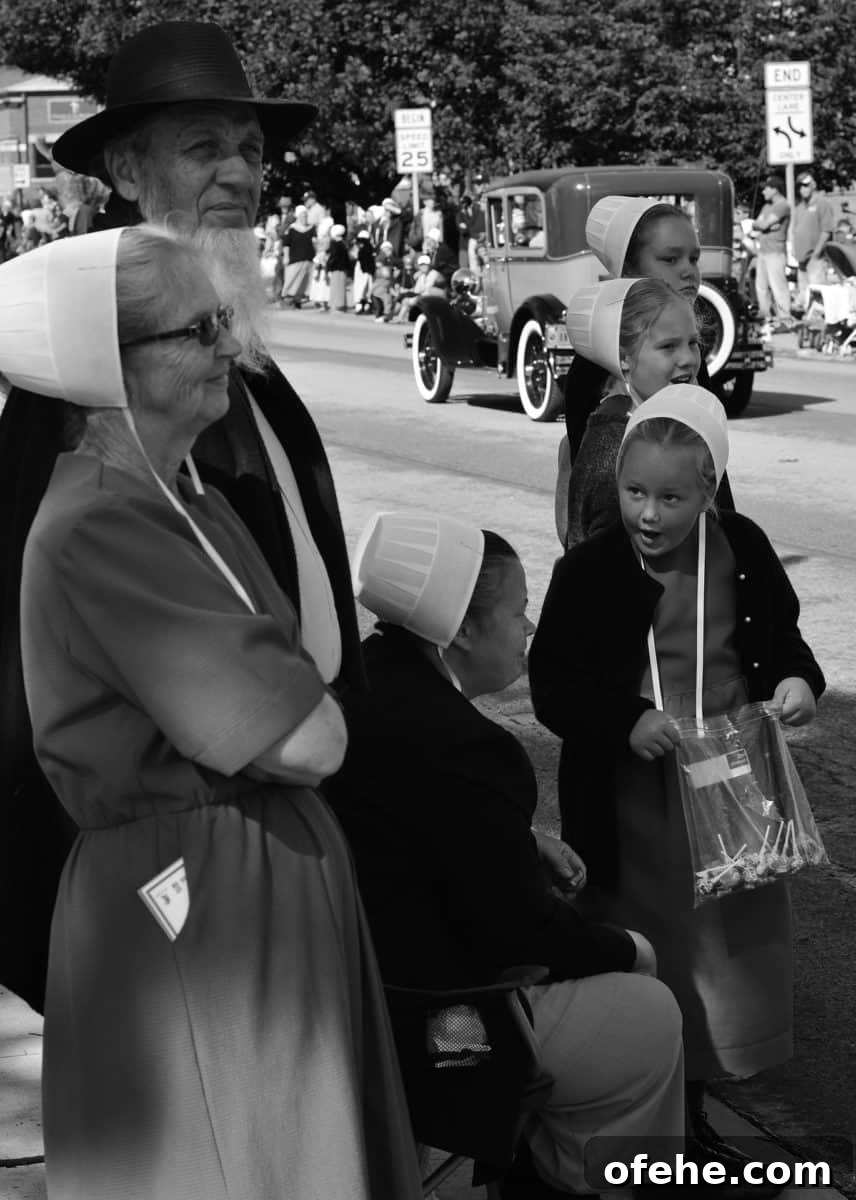
What Would a Day in the Life of an Amish Woman Look Like?
Even within the life of an Amish woman, no two days are exactly the same. Seasons change, and with them come different tasks and priorities. Spending a single day with an Amish woman will only offer a small window into her routine, but it can provide a meaningful glimpse into daily rhythms shaped by family, faith, and practical needs.
Below is a personal account of what life looked like in my childhood home, offering insight into a typical day for my Amish mother.
Amish Daily Schedule
My father set his alarm for 4:00 a.m. to begin the farm chores, and my mother rose with him so they could pray together before starting the day. Prayer and a quiet moment together set the tone for the household and its work.
After morning prayer, my father usually headed to the barn and my mother followed to help with the milking if the children were too young. By the time I was born—my parents had many children—there was more hands-on help, but in earlier years my mother shouldered most of these tasks herself.
On Monday mornings, laundry demanded extra attention. Using a ringer washer, my mother tried to get as much done as possible while the men finished their morning chores. Breakfast was simple and hearty—eggs, pancakes, oatmeal, or locally prepared scrapple on some days—followed by family devotions in the living room.
After devotions, which wrapped up around 7:45 a.m., the children left for school. My mother then cleared the breakfast dishes, swept the kitchen, and finished hanging laundry. The rhythm of chores, meals, and family time marked the start of each day.
A Woman’s Work is Never Done
Once the morning chores were complete, my mother often had an hour or two to work in the garden before beginning preparations for the midday meal. Lunch, which the family often called dinner, was typically the largest meal and could take an hour to prepare.
After lunch and cleaning up, she usually had several hours to tend the yard, garden, or preserve vegetables by canning. Spring housecleaning, assisting with barn or field work, or mending and sewing could also fill this time. Every season brought different priorities and tasks.
By 4:00 p.m. she began preparing supper because the cows needed milking again at 5:00. Following the evening meal, dishes were washed and the kitchen tidied for the third time that day. The laundry was brought in from the line and folded, and any remaining projects were finished before bedtime.
She aimed to have everyone bathed and in bed by 10:00 p.m. in order to rise again at 4:00 a.m. the next morning. This steady routine sustained the household and its many daily needs.
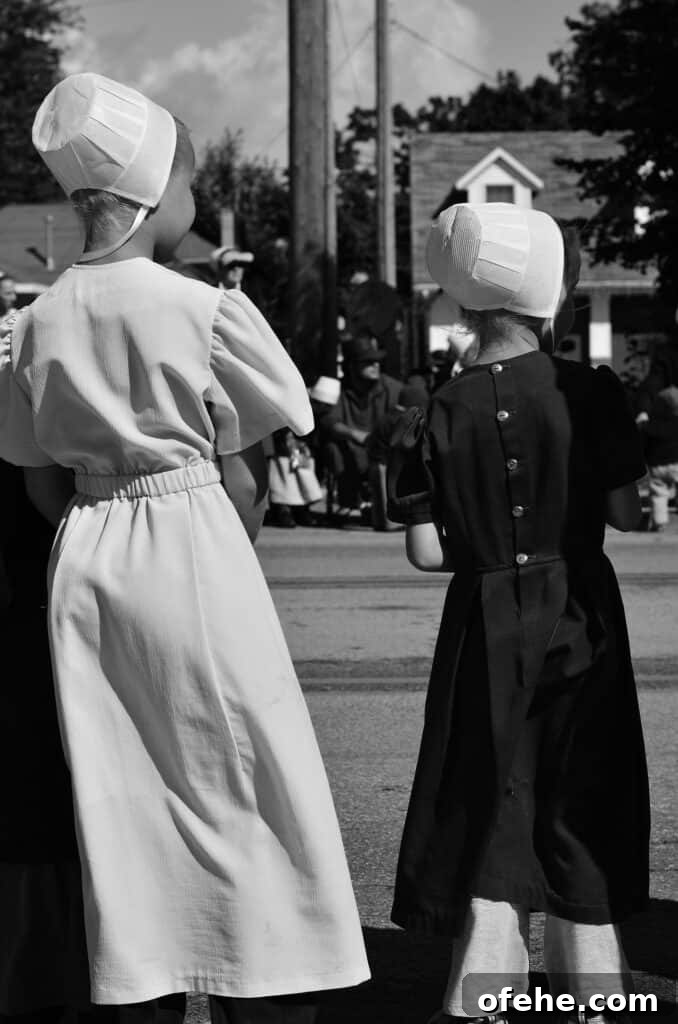
Being an Amish Mom is a Full-time Job
The Amish take scriptural teachings about family seriously, viewing children as blessings and embraceing large families. My parents had ten children in eighteen years, which meant my mother was exceptionally busy when her children were small. Before the older children were old enough to help, she managed milking twice daily in addition to cooking, gardening, canning, and caring for infants.
She received help for the first six weeks after each birth, when a helper would come to assist, but otherwise the early years required tireless dedication. Caring for a large household demanded endurance, organization, and practical skill.
Amish Women Rules
There are no formal written laws mandating that Amish mothers stay home, but cultural and religious expectations shape roles strongly. Most Amish women choose to be homemakers, and their lives center around family care—providing meals, laundry, sewing clothing, gardening, and preserving food.
Many draw guidance from passages of scripture that emphasize domestic responsibility and the care of children. In the Amish community, a woman’s role as caregiver and homemaker is valued and seen as essential to family life.
Household work is extensive and varied; these women manage a wide range of responsibilities without relying on modern conveniences such as television binges or social media. Their days are filled with meaningful, hands-on labor that keeps the family functioning.
Amish Women’s Rights
Within the Amish tradition, a woman is expected to be supportive and respectful toward her husband, who is generally regarded as the household leader. In many marriages, spouses work as equal partners, consulting one another and sharing the burdens of daily life. When husbands are loving and considerate, submission is experienced as mutual cooperation rather than one-sided control.
However, as in any community, not all marriages are healthy. Some women live with controlling or abusive partners. Divorce and remarriage are extremely rare and often socially discouraged, so many women remain in difficult marriages and work to preserve the family unit for their children.
Despite these challenges, Amish women are valued in their communities. They often participate in household decision-making and play crucial roles in family life. The extent of a woman’s autonomy can vary with individual marriages and community norms.

Men typically lead in both the home and the church, though women may have a voice in congregational meetings and community matters. Roles are shaped by tradition, faith, and practical needs, creating a distinct social structure.
In conclusion, “A Day in the Life of an Amish Woman”
Overall, many Amish women express contentment with their roles. Growing up within this culture sets clear expectations; for some, the path of marriage, homemaking, and childrearing is a fulfilling choice. Personally, I never aspired to a career outside the home in my youth—I wanted to marry, raise children, and maintain our household, and that life suited me.
After marriage, I spent sixteen years as a stay-at-home mother and found deep satisfaction in being present for my children during their formative years. For many families, having a parent at home remains an intentional choice shaped by values and priorities.
More About the Amish
Amish Women
Amish Baptism
How to Live Like the Amish
Why Do Amish Women Wear Head Coverings?