“Sometimes a person needs a story more than food to stay alive.”― Barry López.
When I first started baking, looking for new recipes could be overwhelming. Every post claimed to be “my favourite,” “the best ever,” or “the world’s greatest.” How do you choose when a search for vanilla cupcakes returns thousands of “ultimate” recipes, each slightly different?
Now that I blog about baking, I sometimes find myself reaching for the same superlatives. Double standards, perhaps—but we all want our readers to be excited about a recipe!
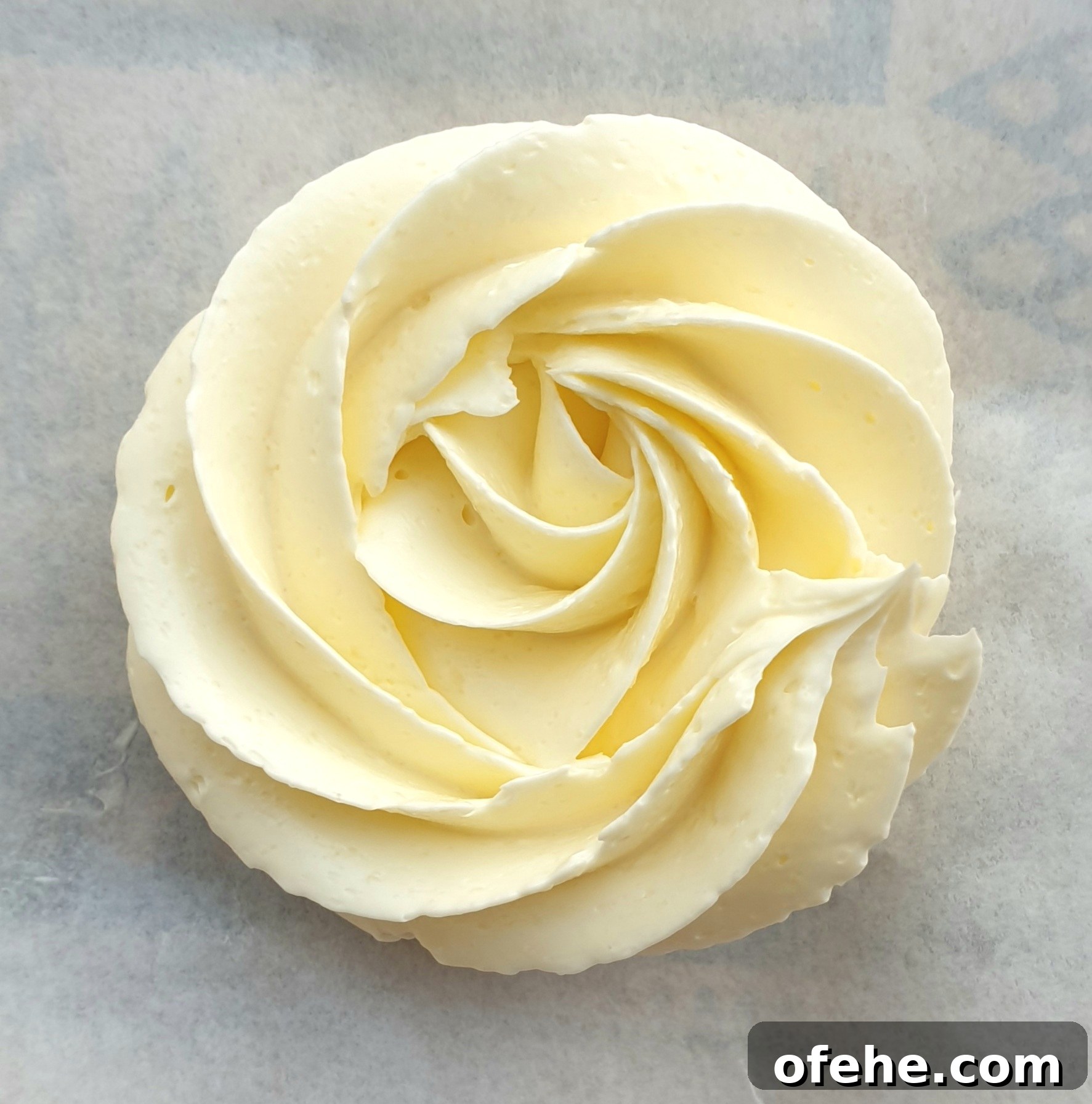
This post features another “best ever” buttercream as showcased by the blog Not Quite Nigella. The recipe comes from cake decorator and chocolatier Jessica Pedemont. At its core it resembles an American buttercream, but with a clever twist: it uses water.
Personally, I haven’t been a fan of traditional American buttercream. The large quantities of sugar, the need to sift icing sugar, and the often overly sweet or slightly grainy finish put me off. Of course there are exceptions—rich, flavorful versions such as Nutella buttercream can be delightful—but generally I prefer a lighter texture and cleaner taste.
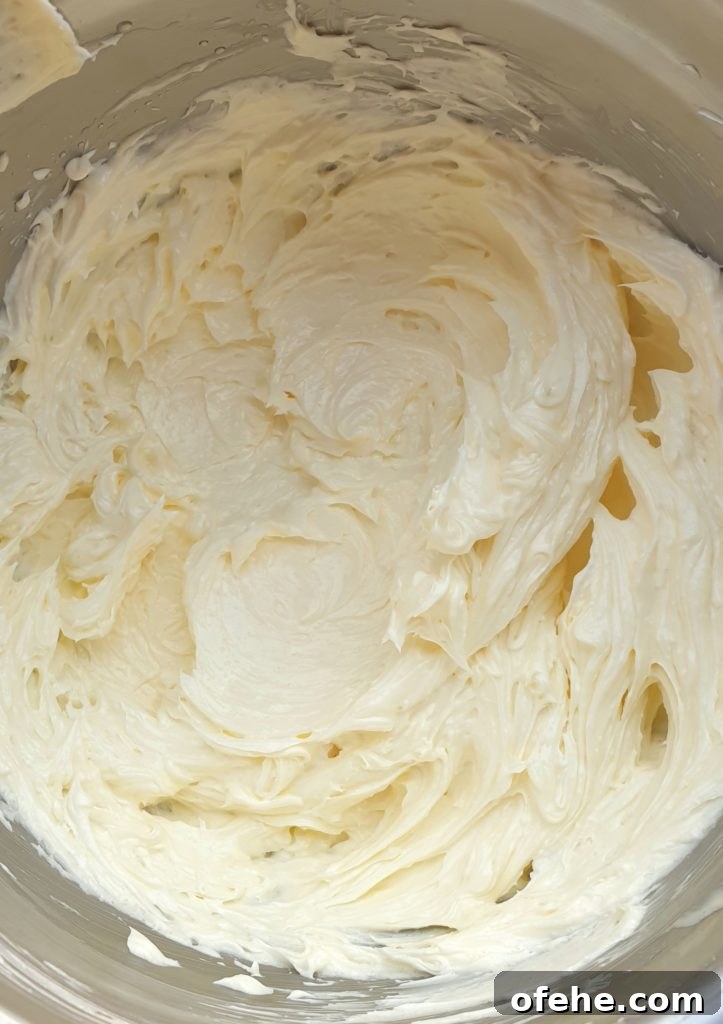
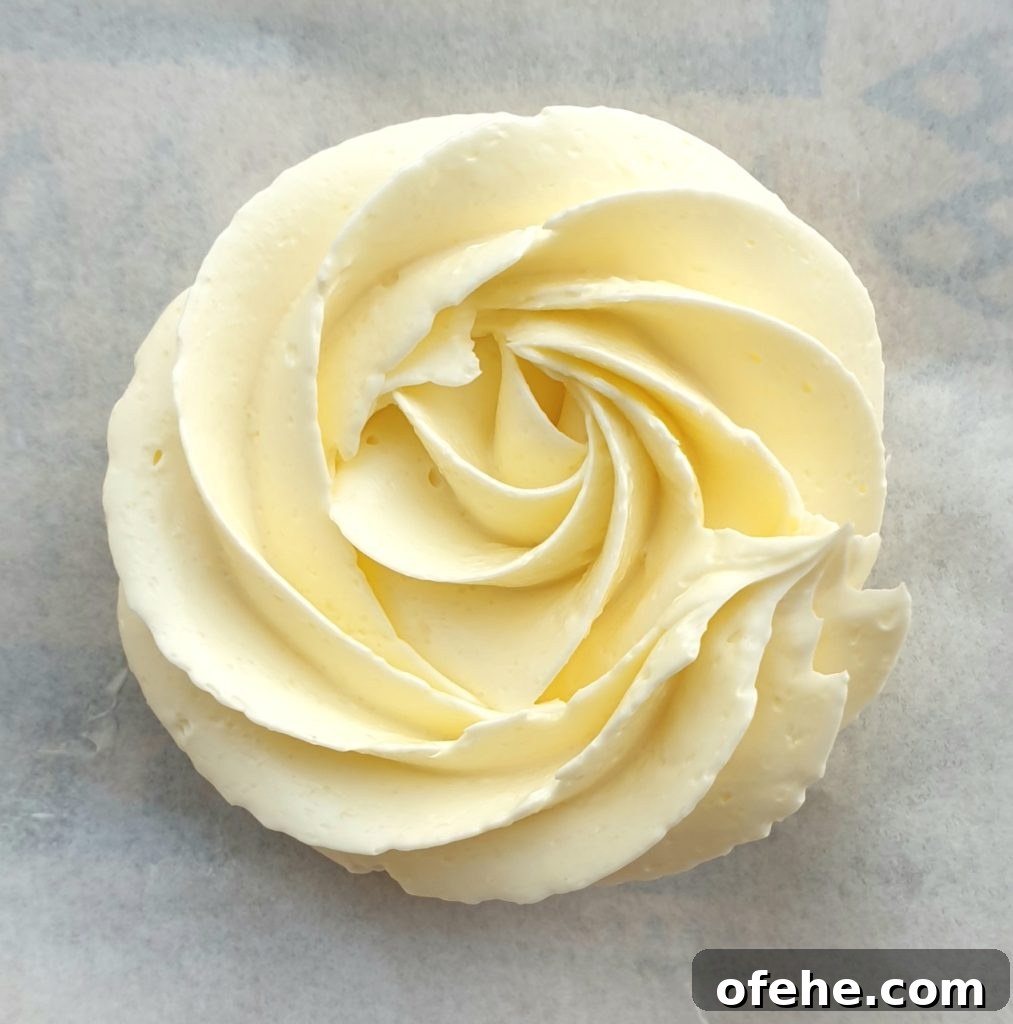
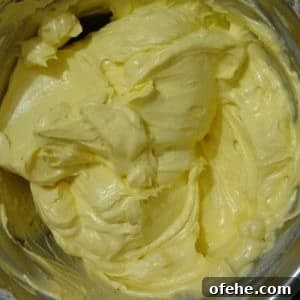
This adapted “new” buttercream combines castor (or superfine) sugar, butter and water. I’ve tweaked the measurements to be more convenient for those without kitchen scales, but the original proportions on Not Quite Nigella are worth checking if you weigh ingredients. The result is a smooth, not-too-sweet buttercream that pipes beautifully and has a texture reminiscent of Swiss meringue buttercream—without the eggs.
It’s a great compromise for bakers who want the simplicity of American buttercream with a silkier mouthfeel. It won’t crust; instead it remains creamy and luscious. Whether it’s truly the “best ever” is up to you—try it and decide!
For another egg-free frosting option with a very different texture, try a flour buttercream.
The “new” buttercream
Pin Recipe
10
10
Ingredients
-
221 grams or 1
cup
salted or unsalted butter
, at room temperature -
112 grams or 1/2
cup
castor (superfine) sugar -
60 ml or 1/4
cup
water -
1
tablespoon
vanilla essence
or flavouring of choice
Instructions
-
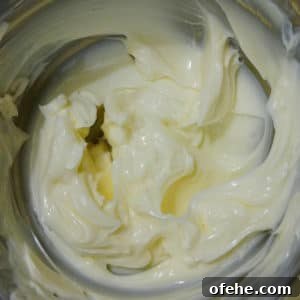
Ensure the butter is at room temperature — soft enough that a gentle press leaves an indentation but not mushy. Beat the butter in a mixing bowl with a handheld or stand mixer for 6–8 minutes on low speed until smooth and pale. A wooden spoon can be used if needed.

-
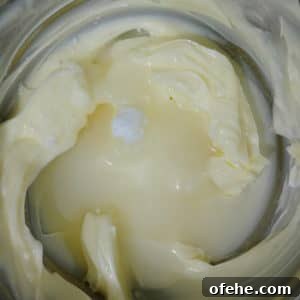
Add half the sugar (about 1/4 cup) and 2 tablespoons of the water. Beat until fully incorporated and smooth — it should not feel grainy. Scrape the bowl as needed.
-
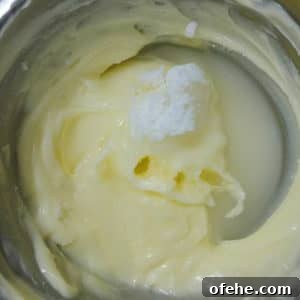
Add the remaining sugar and the remaining 2 tablespoons of water. Beat until the mixture is fluffy and no longer grainy — about 4–5 minutes depending on your mixer.
-
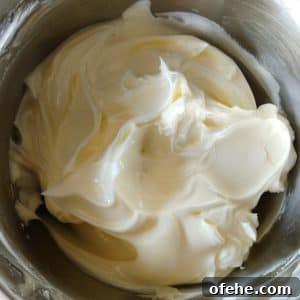
Add the vanilla or your chosen extract and beat until fully incorporated. The buttercream is now ready to use.
-
Mango variation: fold in about 1/4 cup of thick mango puree (from one ripe mango) for a fruity buttercream used in a mango-and-vanilla layer cake.
-
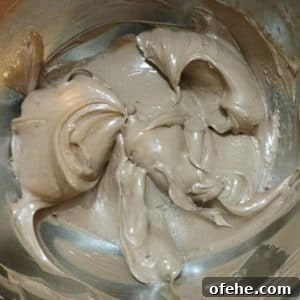
Chocolate variation: stir in about 100 grams of melted chocolate for a rich chocolate buttercream, great for a rocky road or chocolate layer cake.
Notes
- Store in the refrigerator for up to one week or freeze for up to two months. Bring to room temperature and rewhip before using to restore texture.
- If you don’t have castor or superfine sugar, pulse regular granulated sugar briefly in a blender or food processor. Using coarse sugar will require longer beating to remove grittiness.
- Salted butter is fine if it’s only lightly salted and you prefer a less sweet buttercream—adjust to taste.
Flavouring suggestions: Up to 1/4 cup of thick fruit puree or jam, up to 1/4 cup melted chocolate, or replace the water with 60 ml of strong coffee for a coffee-flavoured buttercream.