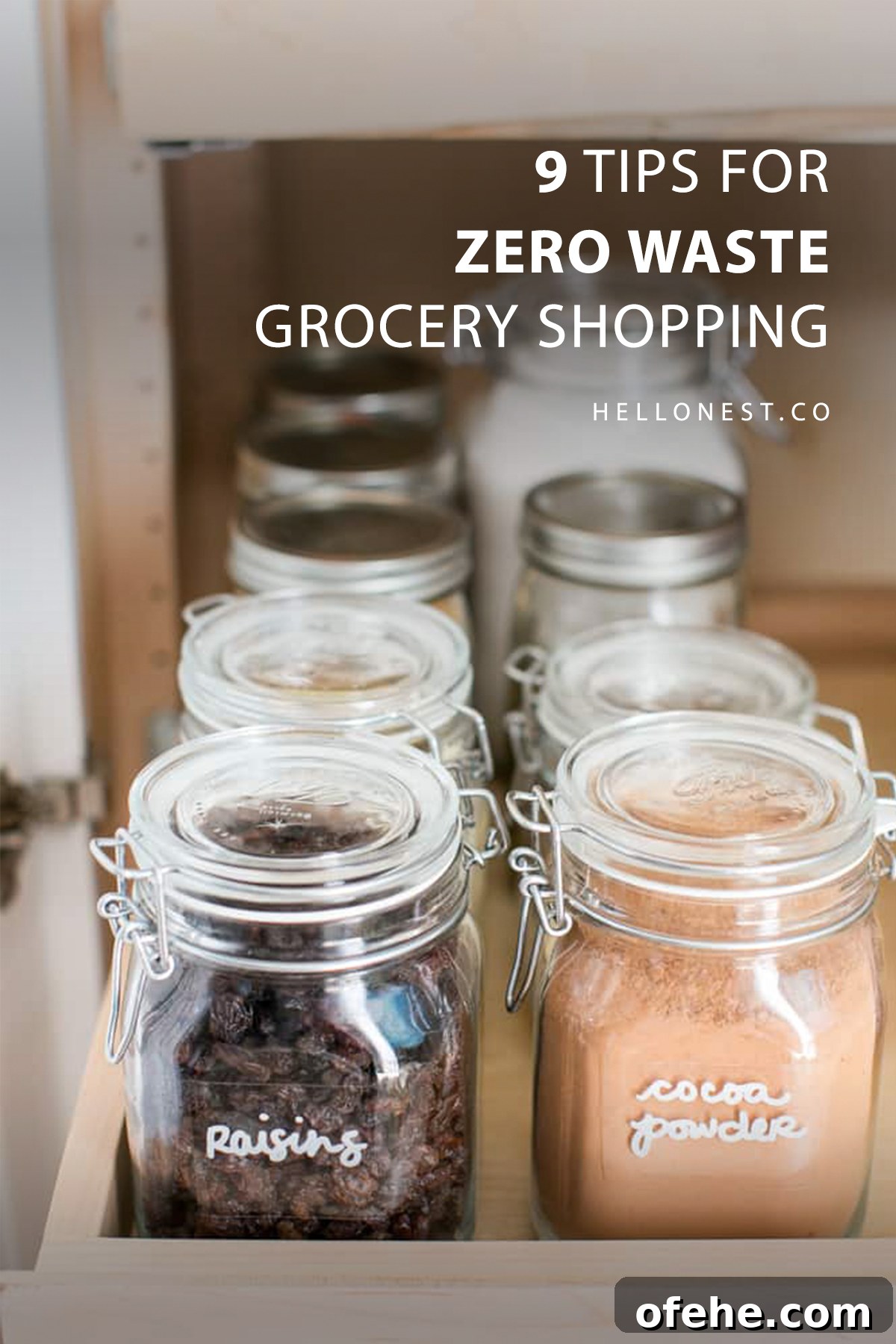
One of the simplest ways to move toward a zero-waste lifestyle is to change how you plan and approach grocery shopping. A little bit of preparation before you leave the house can make your next trip easier, greener, and less wasteful.
 1. Bring your own bags
 1. Bring your own bags
The most basic step is to bring reusable bags. Many of us already do this, but unexpected stops can leave you using plastic. Keep a few sturdy totes in your car or foldable bags in your purse so you’re always ready. Compact, reusable bags are easy to stash and make a big difference over time.
2. Buy in bulk thoughtfully
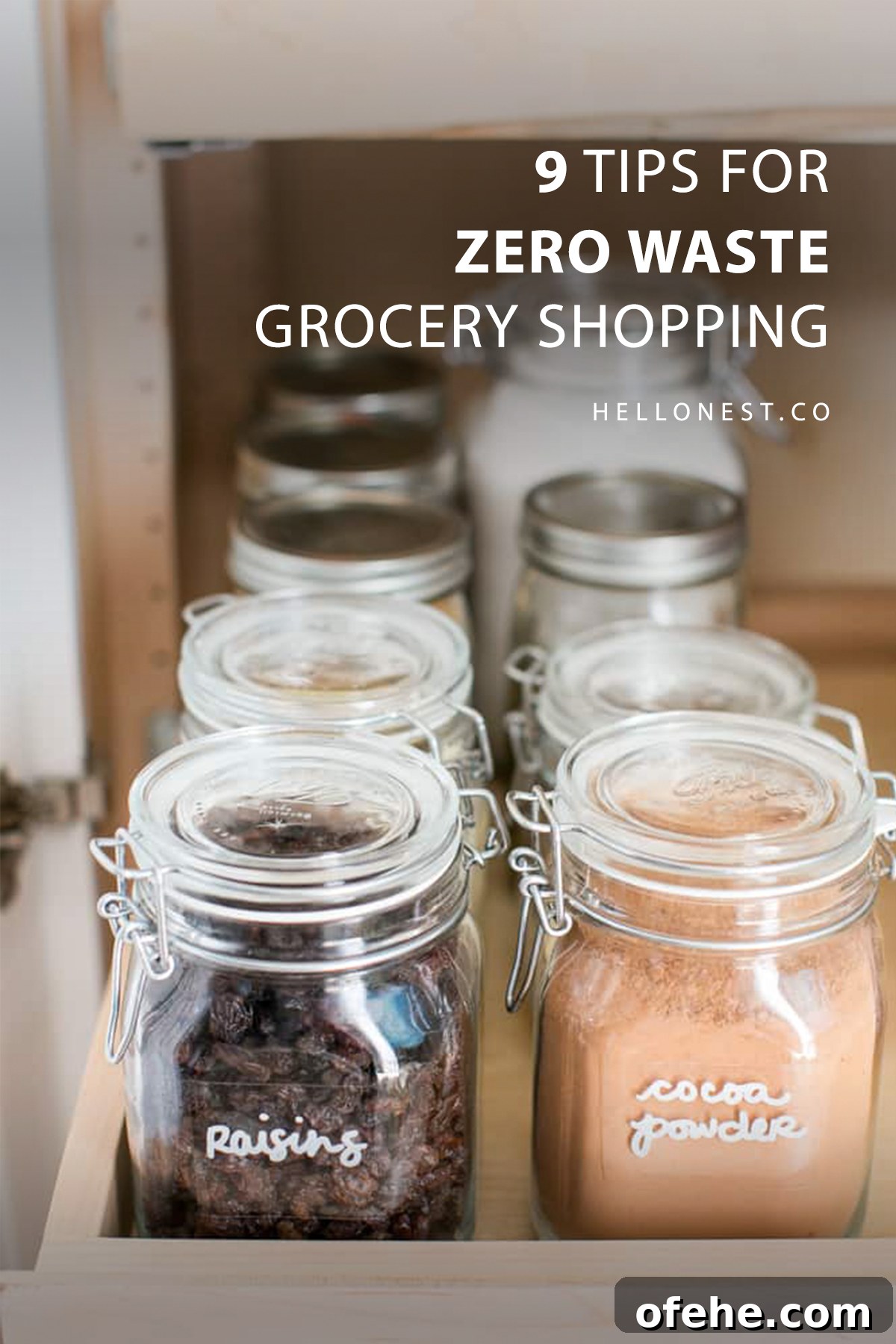
Buying in bulk reduces packaging, but only if you avoid single-use bags at the store. Bring clean empty jars or reusable silicone bags for grains, nuts, and other dry goods. Ask staff to tare (weigh) your containers before filling them—writing the tare weight on the lid saves time for future visits. Silicone bags are lightweight, foldable, and useful for both solids and liquids. At home, transfer items into storage jars, wash the reusable bags, and store them for the next trip.
3. Let produce breathe
Skip single-use produce bags. Place loose fruits and vegetables directly in your cart to be weighed together at checkout, or use reusable mesh produce bags. Lightweight cloth—muslin, tea towels, or repurposed pillowcases—also works well; simply bundle and tie items like lemons or oranges for easy weighing.
4. Choose plastic-free packaging
When an item isn’t available in bulk, look for alternatives packaged in cardboard, glass, or metal, which are easier to recycle. Buy pasta in boxes, sauces in jars or cans, and pantry staples like oils and extracts in glass when possible. You may find more non-plastic options than you expect once you start looking.
5. Use the service counters
Deli, butcher, and fish counters are often where excess foam and plastic appear. Bring silicone bags or small containers to have your cheese, meat, or fish wrapped in a reusable option. Many shops will also wrap items in butcher paper, which isn’t recyclable in all areas but can often be composted or reused.
6. Refill what you already have
Instead of replacing plastic dispensers, seek refill stations for liquid soap, detergents, and other household products. Bring your empty bottles to be refilled, or choose brands that offer refill or return programs. If refill options are limited where you live, consider switching to solid soaps and concentrates and reusing existing containers for storage.
7. Replace disposables with durable alternatives
Look at routine purchases and find sustainable swaps. Replace paper towels with washable tea towels or napkins, and make DIY wipes from old clothing. Skip single-use bottled water by using stainless steel or glass bottles—thrift stores often have affordable options. Swap plastic wrap for glass or stainless containers or beeswax covers. Occasionally you may need to skip a product entirely if a low-waste option isn’t available.
8. Buy fresh and freeze at home
Frozen produce is convenient, but buying fresh and freezing it yourself reduces single-use packaging and lets you control preservatives and storage time. Use jars or reusable bags to freeze produce, and when local farmer’s markets are open, shop directly from growers with a tote bag to reduce packaging even further.
9. Compost food scraps
Composting food waste keeps organic material out of the landfill and returns nutrients to the soil. If you don’t have outdoor space, there are indoor compost bins designed for small spaces. Composting transforms peels, cores, and other scraps into useful soil amendment instead of trash.
After a few trial runs, these practices quickly become routine. Keep a few bags stashed where you’ll remember them so impromptu stops don’t force you into single-use choices. Treat bulk shopping as a separate, planned errand rather than something to squeeze into a hectic schedule. Every small change reduces waste and sends a signal to brands and retailers that consumers value sustainable options—over time, packaging choices will follow.