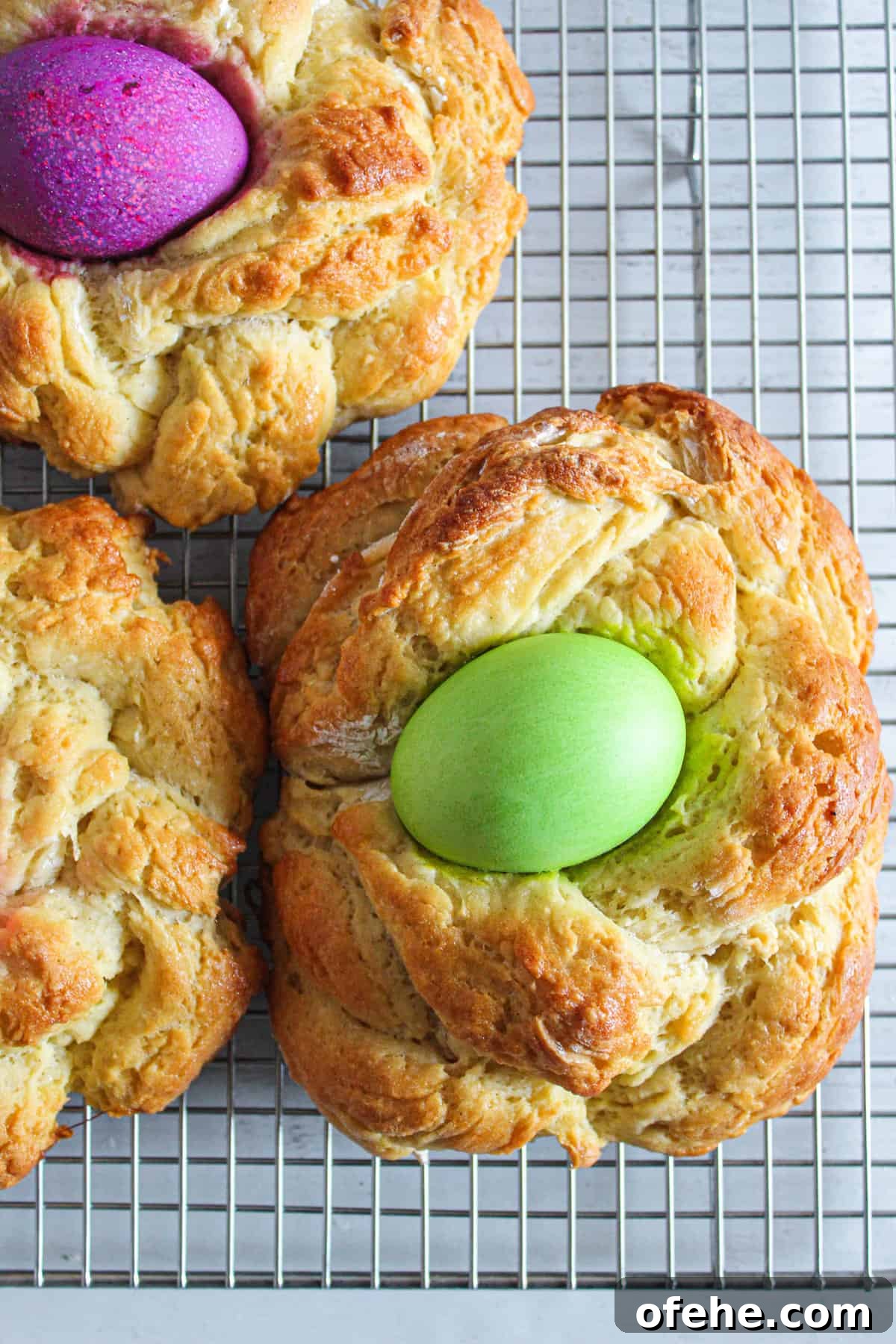
Most gluten-free holiday breads look lovely on the outside but disappoint once sliced.
Dense crumb. Gummy center. Dry, crumbling slices.
Table of Contents
If you’ve struggled to recreate a braided traditional Easter bread without gluten, you’re not alone. Enriched, yeasted doughs are among the trickiest to convert to gluten-free.
This recipe addresses the common texture problems.
With a balanced flour blend, the right rising method, and a few practical techniques, you’ll get a soft, tender, lightly sweet braided Easter bread that holds colored eggs and slices cleanly.
No guessing, no gritty crumb — just a beautiful gluten-free Easter bread that tastes like it should.
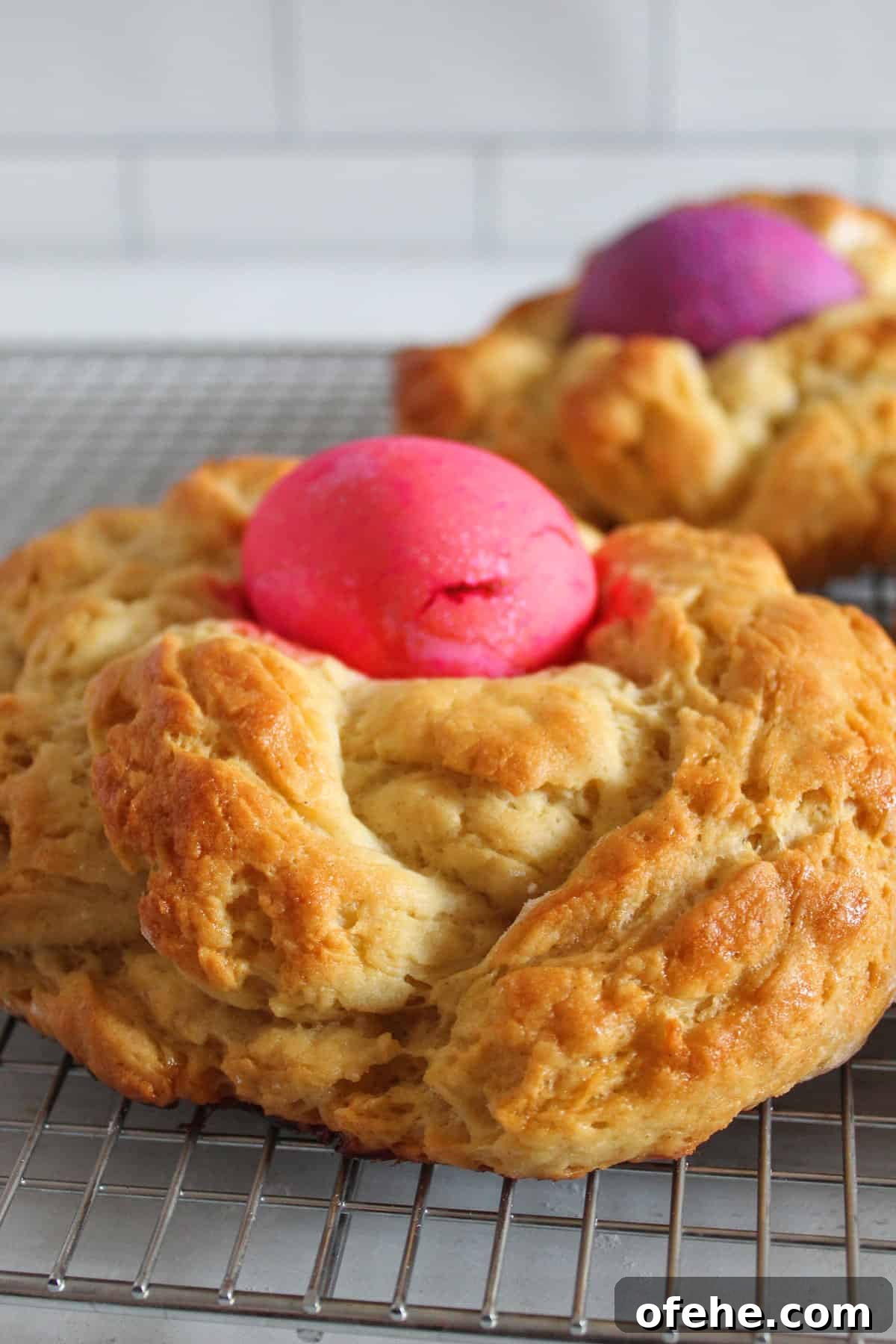
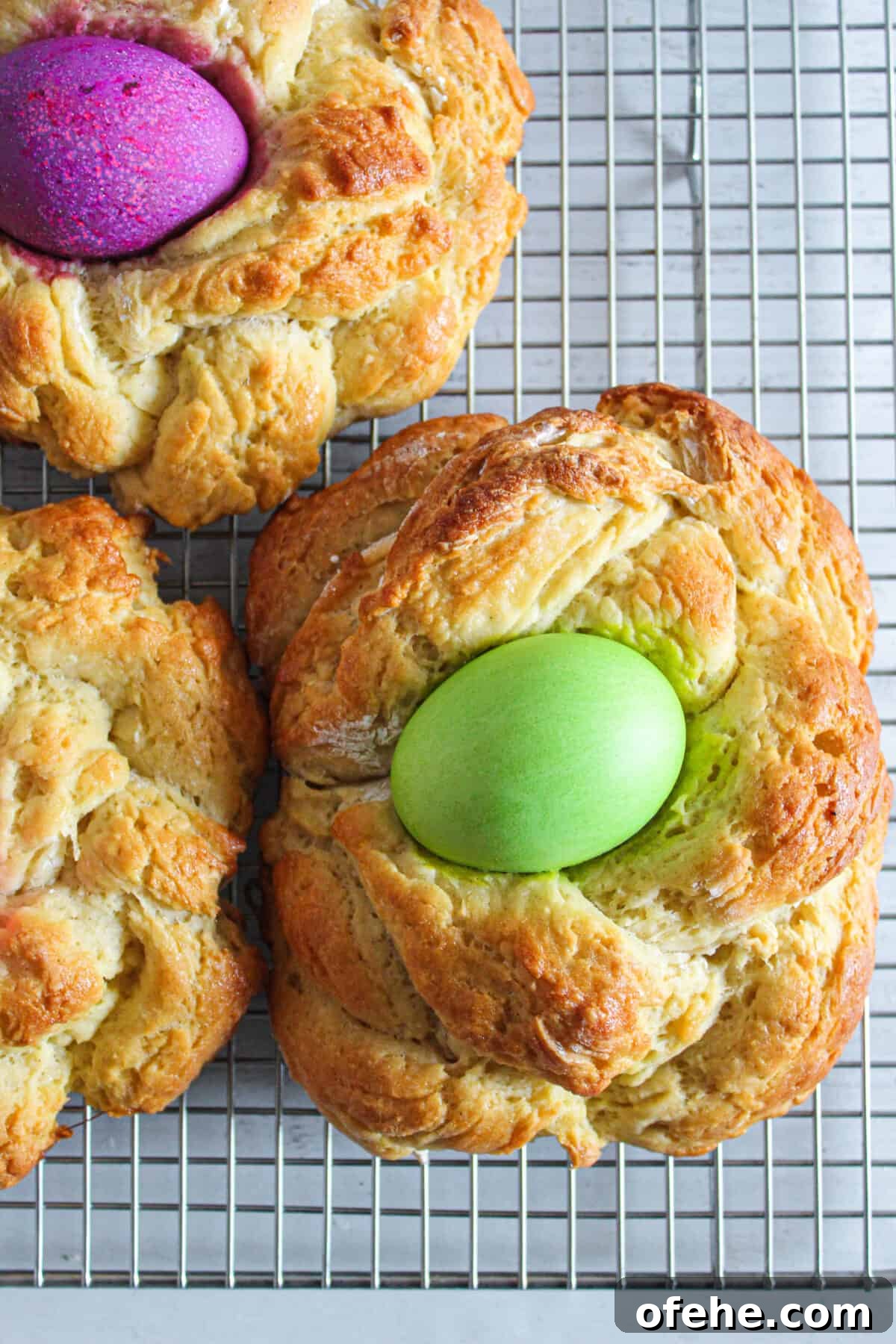
With Easter approaching, this sweet braided bread makes a striking centerpiece. Traditionally slightly sweet and rich, it’s braided with a colored hard-boiled egg nestled in the center before baking — a lovely seasonal tradition to bring to your table.
This recipe yields tender, braidable dough and instructions that guide you step-by-step so even first-time bakers can succeed.
Why This Recipe Is The Best
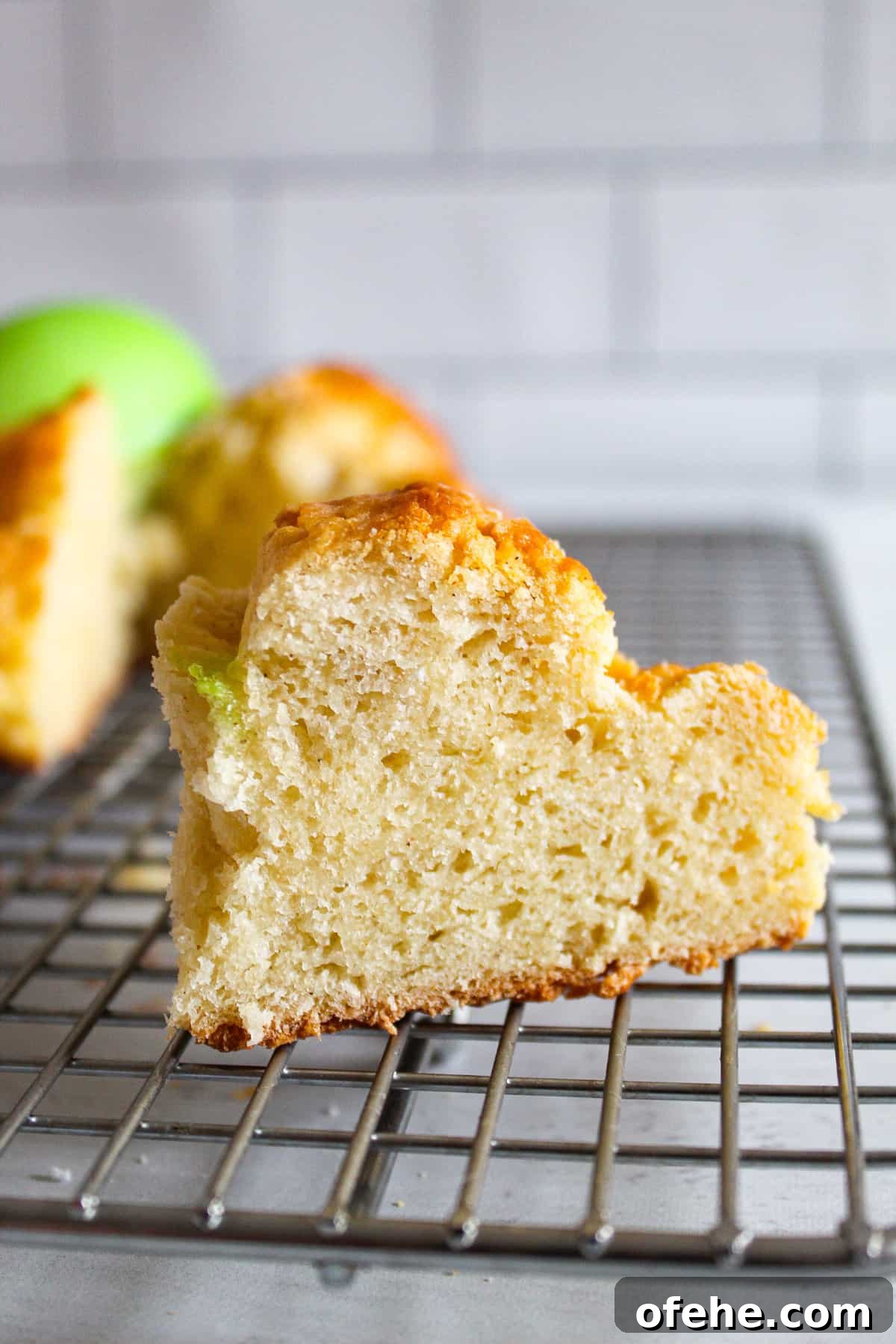
This gluten-free version reproduces the tender crumb, light chew, and glossy finish you expect from traditional Easter bread — without gluten.
- Soft, slightly chewy crumb with a mild sweetness.
- Makes about 24 servings, enough for a family gathering.
- About 45 minutes of active prep yields four attractive braided loaves.
- A fun, hands-on recipe that’s great for involving family members.
Equipment You’ll Need
Most items are common in home kitchens; check you have them before starting.
- Digital kitchen scale
- Stand mixer (or a large mixing bowl and sturdy spatula)
- Metal spatula
- Silicone spatula
- Saucepan
- Bowls for cooling and coloring eggs
- Large mixing bowl
- Whisk
- Parchment paper
- Cookie sheets
- Instant-read thermometer
- Cooling rack
Ingredients for Gluten-Free Easter Bread
Gather everything before you begin. Many ingredients are pantry staples, but weigh your flours when possible for consistent results.
- Hard-boiled eggs
- Boiling water
- White vinegar
- Food coloring
- Almond milk
- Instant yeast
- White rice flour
- Sorghum flour
- Potato starch
- Tapioca starch
- Xanthan gum
- Salt
- Eggs
- Vegetable oil
- Apple cider vinegar
- Granulated sugar
- Vanilla extract
- Vegan butter
- Honey
Key Ingredient Roles
Here’s what the main ingredients contribute and a few practical tips to get the best texture from each.
Boiled Eggs
4 hard-boiled eggs. They decorate the loaves and symbolize the holiday. To avoid cracks, place eggs in cold water, bring to a rolling boil, remove from heat, cover and let sit 10–12 minutes. Transfer to ice water to cool.
Boiling Water
2 cups boiling water. Used to dissolve dye and complete the egg-coloring process.
White Vinegar
4 tablespoons white vinegar. Acid brightens the dye and helps the color set without altering flavor.
Food Coloring
Four colors, about 6 drops each. Red, yellow, blue and green (or mixes) create vivid eggs; adjust drops for deeper or paler shades.
Almond Milk
1 cup unsweetened almond milk, heated to ~110°F. Provides moisture and a light flavor. Avoid overheating or the yeast will be damaged.
Instant Yeast
2 1/4 teaspoons instant yeast. The primary leavener, producing rise and structure.
White Rice Flour
131 grams white rice flour (~3/4 cup). Helps create a tender crumb and contributes to crust texture.
Sorghum Flour
95 grams sorghum flour (~3/4 cup). Adds subtle, pleasant flavor and body.
Potato Starch
214 grams potato starch (~1 1/2 cups). Retains moisture and provides structure for a tender crumb.
Tapioca Starch
90 grams tapioca starch (~3/4 cup). Gives elasticity and chew, and helps produce a light crust. Keep extra starch on hand to dust your work surface.
Xanthan Gum
2 teaspoons xanthan gum. A binder that mimics gluten’s structure; use the stated amount — too much can create gummy texture.
Salt
3/4 teaspoon salt. Balances flavor and moderates yeast activity.
Eggs
3 large eggs for the dough, 2 yolks for richness, 1 egg for the wash. Eggs add structure, richness and a glossy finish from the egg wash.
Vegetable Oil
6 tablespoons vegetable oil. Adds needed fat to compensate for lower-fat plant milks and keeps the crumb tender.
Apple Cider Vinegar
1 teaspoon apple cider vinegar. Helps the yeast and contributes to a tender crumb.
Sugar
65 grams sugar (~1/3 cup). Feeds the yeast and sweetens the dough slightly.
Vanilla Extract
1 teaspoon vanilla extract. Adds gentle depth to the sweet dough.
Vegan Butter
1 tablespoon melted vegan butter (for the wash). Enriches the egg wash for a glossy, flavorful finish.
Honey
1 tablespoon honey (for the wash). Adds subtle sweetness and helps the crust brown.
Printable Traditional Gluten Free Easter Bread Recipe Card
Ingredients
For the eggs
- 4 eggs — hard boiled, cooled
- 2 cups boiling water (separated)
- 4 Tablespoons white vinegar (separated)
- Food coloring — red, yellow, blue, green
For the bread
- 1 cup unsweetened almond milk (110°F)
- 2 1/4 teaspoons instant yeast
- 131 g white rice flour (~3/4 cup)
- 95 g sorghum flour (~3/4 cup)
- 214 g potato starch (~1 1/2 cups)
- 90 g tapioca starch (~3/4 cup)
- 2 teaspoons xanthan gum
- 3/4 teaspoon salt
- 3 large eggs
- 2 egg yolks
- 6 Tablespoons vegetable oil
- 1 teaspoon apple cider vinegar
- 65 g granulated sugar (~1/3 cup)
- 1 teaspoon vanilla extract
- Extra potato or tapioca starch for work surface
For the egg wash
- 1 large egg
- 1 Tablespoon melted vegan butter
- 1 Tablespoon honey
Instructions
Make the colored eggs
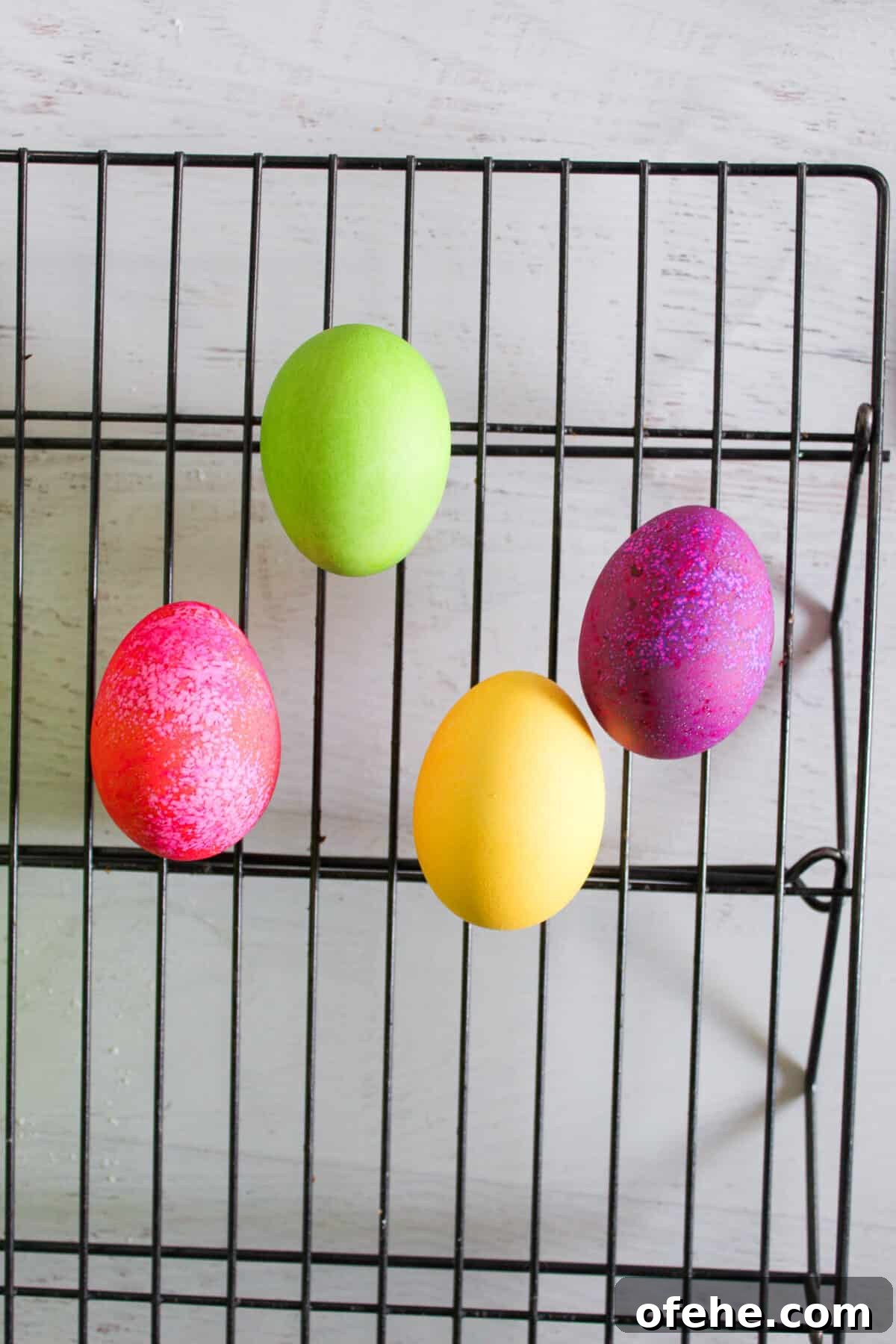
- Prepare four bowls. Add dye drops to each (adjust amounts for desired intensity). Add 1 Tbsp vinegar and 1/2 cup boiling water per bowl. Gently lower eggs into dye and soak about 5 minutes for vivid color. Remove with a slotted spoon and let dry on a rack.
Make the bread
- Combine warm almond milk and yeast in a small bowl; stir and let sit 5 minutes.
- Whisk rice flour, sorghum flour, potato starch, tapioca starch, xanthan gum, and salt in a large bowl.
- In the mixer bowl, combine eggs, egg yolks, vegetable oil, and apple cider vinegar. Mix low for 15 seconds.
- Add vanilla, sugar, and yeast mixture; mix on low 15 seconds.
- Add the dry flour mixture; mix low 15 seconds, scrape, then mix on medium 4 minutes until combined.
- Scrape the bowl, cover with a tea towel, and let rise 1 hour.
Shape and braid
- Preheat oven to 375°F and line two sheets with parchment. Dust a large piece of parchment with potato or tapioca starch.
- Turn the risen dough onto the starchy surface. Add more starch if sticky and knead a few times to incorporate.
- Form a square and cut into four equal sections. Work with one section at a time: cut into three pieces, roll each into a 12-inch rope, press the tops together and braid. Loop the braid into a circle and pinch the ends closed. Transfer to the prepared cookie sheet. Repeat for remaining sections.
Egg wash & bake
- Whisk the egg, melted vegan butter, and honey. Gently brush each braid with the wash and place a colored egg in the center.
- Bake at 375°F for 28–34 minutes. Check at 28 minutes with an instant-read thermometer; the internal temperature should reach 190°F.
- Cool loaves on a rack for 30 minutes before serving.
Nutrition
| Carbohydrates: 22 g
| Protein: 4 g
Did you make and love this recipe? Leave a rating and a review below!
Method for Making Traditional Gluten-Free Easter Bread
Follow the clear, numbered steps to produce neat braids and consistent results. The full instructions above include details for coloring eggs, proofing yeast, shaping, and baking.
Step One: Color the Hard-Boiled Eggs
Prepare four bowls with vinegar, boiling water and food coloring. Gently submerge eggs and let them sit about five minutes for vivid color. Dry on a rack.
Step Two: Activate the Yeast
Warm almond milk to about 110°F, stir in yeast, and let sit five minutes until slightly foamy.
Step Three: Whisk Together Dry Ingredients
Combine the flours, starches, xanthan gum and salt in a large bowl and whisk until even.
Step Four: Mix Wet Ingredients
Mix eggs, yolks, oil and apple cider vinegar on low speed until combined, then add vanilla, sugar and the yeast mixture.
Step Six: Combine and Mix
Add the dry mix, blend briefly on low, scrape the bowl, then mix four minutes on medium until smooth and cohesive.
Step Seven: Let Dough Rise
Cover the bowl and allow the dough to rise for one hour in a warm spot.
Step Eight: Prep Oven and Sheets
Preheat oven to 375°F and line two cookie sheets with parchment paper.
Step Nine: Prepare Work Surface
Dust a large sheet of parchment with potato or tapioca starch to keep the dough manageable while braiding.
Step Ten: Place Dough on Work Surface
Turn dough onto the starchy surface, add more starch if needed, and knead lightly to incorporate.
Step Eleven: Divide Dough Into Four Equal Parts
Form a square and cut into four equal sections. Set aside three and work with one at a time.
Step Twelve: Prepare First Section for Braiding
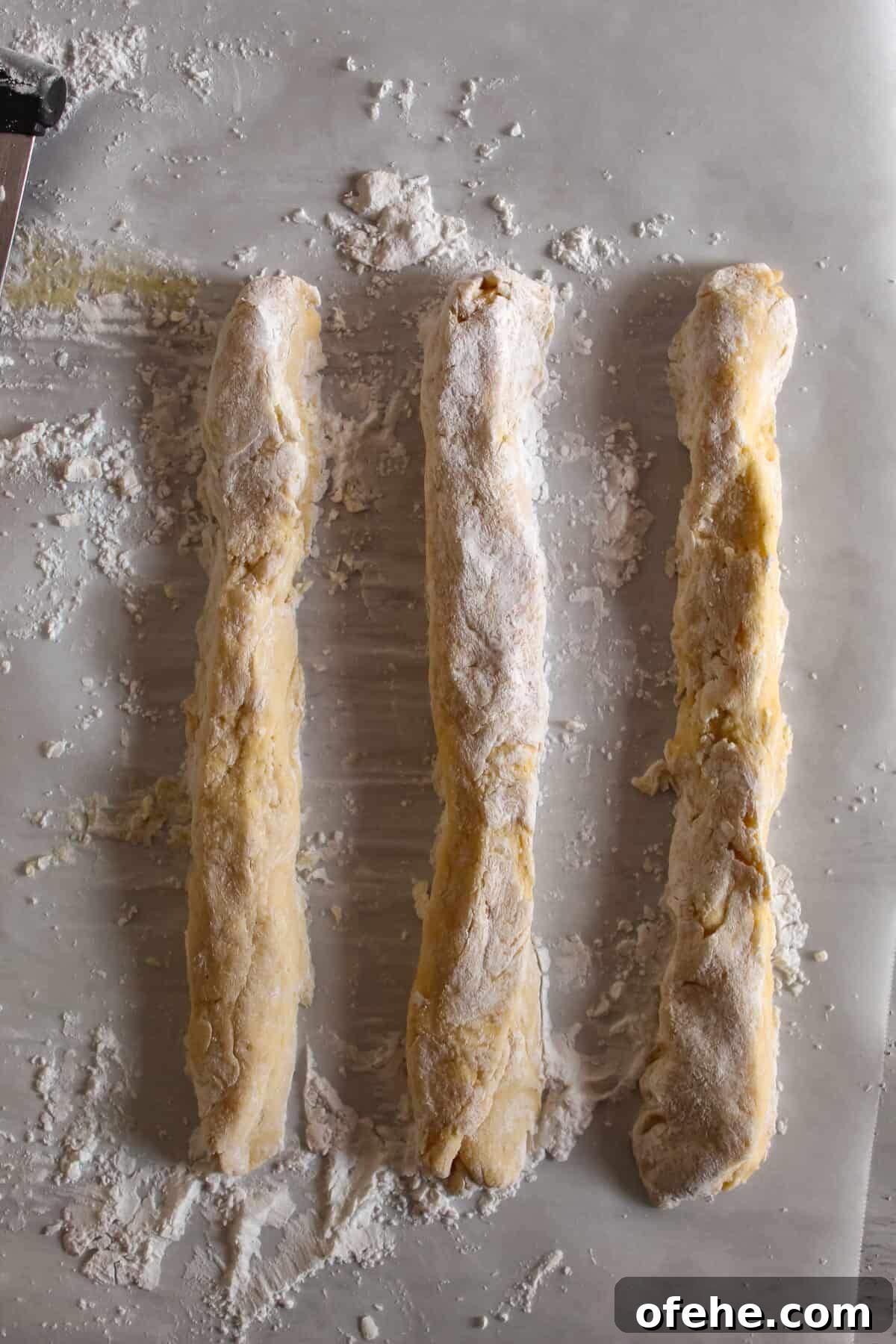
Cut the section into three pieces and roll each into a 12-inch rope. Press the tops together to begin the braid.
Step Thirteen: Braid Ropes
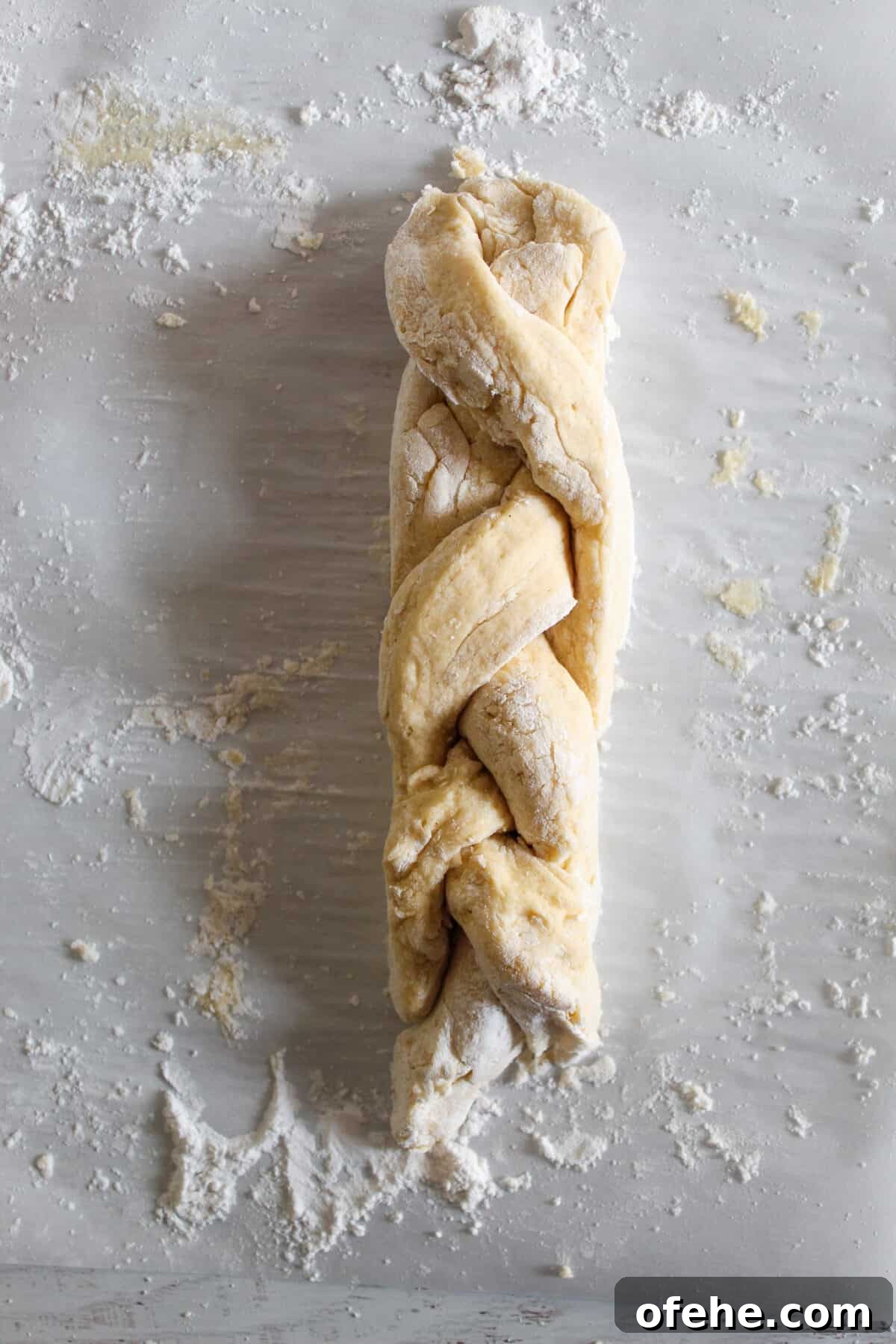
Braid the ropes by alternating strands — it doesn’t need to be perfect. Gently compact the braid with your hands.
Step Fourteen: Form a Braid Into a Circle
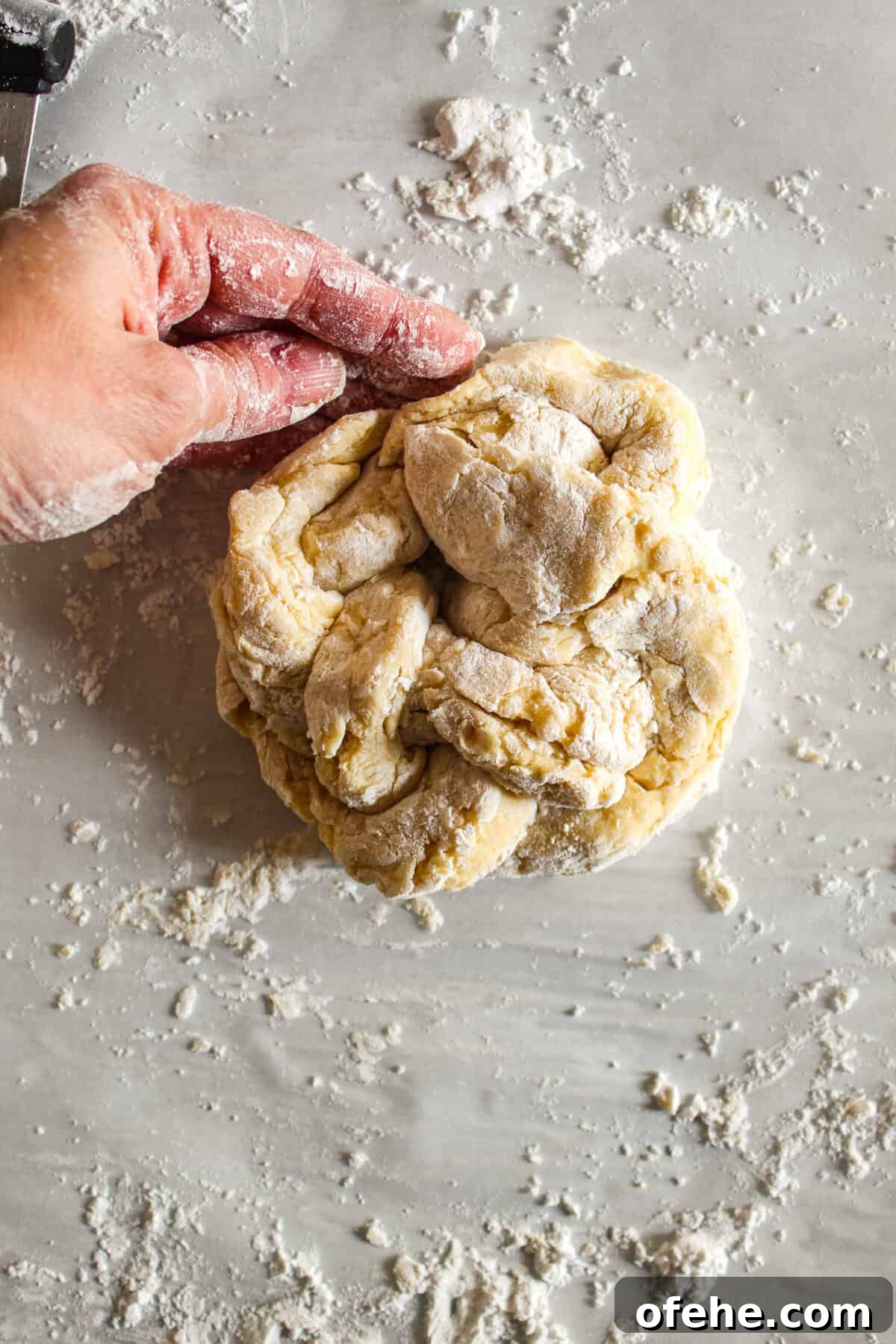
Loosen any stuck areas with a metal spatula, curve the braid into a circle, and pinch the ends together.
Step Fifteen: Transfer Braid Loop to Cookie Sheet
Use a metal spatula to lift the braid onto the prepared sheet, leaving room for another loaf.
Step Sixteen: Repeat With Remaining Sections
Dust the surface with more starch if needed and repeat braiding and looping with the other three sections.
Step Seventeen: Make Egg Wash and Apply
Whisk the wash (egg, melted vegan butter, honey) and brush each loaf gently before placing the colored egg in the center.
Step Nineteen: Bake Bread
Bake at 375°F for 28–34 minutes. Check at 28 minutes with an instant-read thermometer; bread is done at 190°F internal temperature.
Step Twenty: Let Bread Cool
Transfer loaves to a rack and cool 30 minutes before slicing and serving.
Nutrition Information for Gluten-Free Easter Bread
The nutrition summary given with the recipe is an approximate calculation for one serving. Values will vary with exact ingredients and portion sizes.
Substitutions for Traditional Gluten-Free Easter Bread
A few flexible swaps:
- Egg replacements (flax or chia “eggs”) can work in the dough, but the hard-boiled decorative eggs and egg wash are difficult to replace for an authentic result.
- Psyllium husk powder can substitute for xanthan gum (use manufacturer guidance).
- Cornstarch can substitute for potato or tapioca starch in a pinch.
- Dairy butter or olive oil can replace vegetable oil and vegan butter if desired; adjust amounts for fat differences.
- Use coconut or dairy milk instead of almond milk, adjusting fats as needed.
- Swap sugar for honey at about a 3:4 ratio (honey can speed yeast activity, so monitor rise).
Gluten-Free Easter Bread FAQs
Common questions and quick answers:
Why did my bread come out gummy or too dense?
Gummy texture often comes from too much liquid or too much xanthan gum, underbaking, or baking at too low a temperature. Dense bread can result from insufficient rise time, inactive yeast, or a cold rise environment. Check internal temperature (190°F) and follow precise ingredient weights for best results.
How can I keep the bread from becoming too dry or too moist?
Weigh dry ingredients and measure liquids carefully. Gluten-free doughs are sensitive to small deviations. Use a digital scale and follow the recipe amounts closely.
Is this a dairy-free and egg-free recipe?
It can be dairy-free if you use almond milk and vegan butter. It is not fully egg-free in the authentic version because of the hard-boiled eggs and egg wash, though you can replace dough eggs with flax or chia if needed.
Can I make the bread dough in advance?
Yes — you can prepare the dough the night before and refrigerate after the first rise. Bring it to room temperature before shaping and baking.
How long does the bread stay fresh once baked?
Wrapped tightly, it stays fresh at room temperature for about two days. Store the hard-boiled eggs separately and freeze loaves for longer storage.
Can I use hot honey for the egg wash?
You can experiment, but spicy honey will add heat to the crust. Mild flavored honeys (citrus or stone-fruit) are a more predictable variation.
Why is it called Easter bread?
Easter bread traditions celebrate renewal and new life. Braided shapes and the decorated egg have symbolic links to religious and seasonal meanings; the sweet, enriched loaf also marks the end of Lenten fasting in many traditions.
Other Bread Recipes To Try
If you enjoyed this recipe, try other gluten-free bread recipes for rolls, loaves, and specialty breads to expand your baking repertoire.
- Slightly Sweet Gluten-Free Hawaiian Bread
- Gluten-Free French Baguette (dairy-free)
- Soft & Fluffy Gluten-Free Dinner Rolls
- Gluten-Free Irish Soda Bread
- Gluten-Free Cheddar Cheese Bread
These recipes offer a range of textures from tender rolls to crusty loaves to keep your gluten-free baking exciting.
Tell Us How Your Bread Turned Out
Tried this recipe? Leave a comment with your results and any tweaks you made — your feedback helps other bakers achieve success.