
June launches summer with a bounty of fresh berries, early stone fruits, and the first of the warm-weather vegetables. Below is a clear guide to what’s at peak season this month, with tips for buying and storing to make the most of your groceries and recipe ideas to enjoy them.

That strawberry you bought at the farmers market last weekend likely tasted vastly different from grocery-store strawberries in winter because of timing. Produce harvested at peak ripeness is sweeter, more flavorful, and often more nutritious. Local farmers markets are the best place to find this kind of peak-season produce.
Early June is one of the most exciting times to eat seasonally: familiar fruits and vegetables return to market after a long winter. Use this post as a starting guide — seasonal timing shifts by region, so let your local market fine-tune your choices.
Below are the fruits and vegetables that are at their best in June, with practical tips for spotting ripeness, extending shelf life, and simple recipe ideas.
FRUITS AT THEIR PEAK IN JUNE
🥑 Avocados
Avocados are on EWG’s 2026 Clean 15 List.
Spotting peak ripeness
- Gently press near the stem: ripe avocados yield slightly. If they’re very soft they may be overripe.
- Buy firm avocados to ripen at home on the counter for a couple of days.
Storage tips
- Store ripe avocados in the refrigerator and use within 2–3 days.
- For cut avocados, drizzle with lemon or lime juice and store in an airtight container to slow browning.
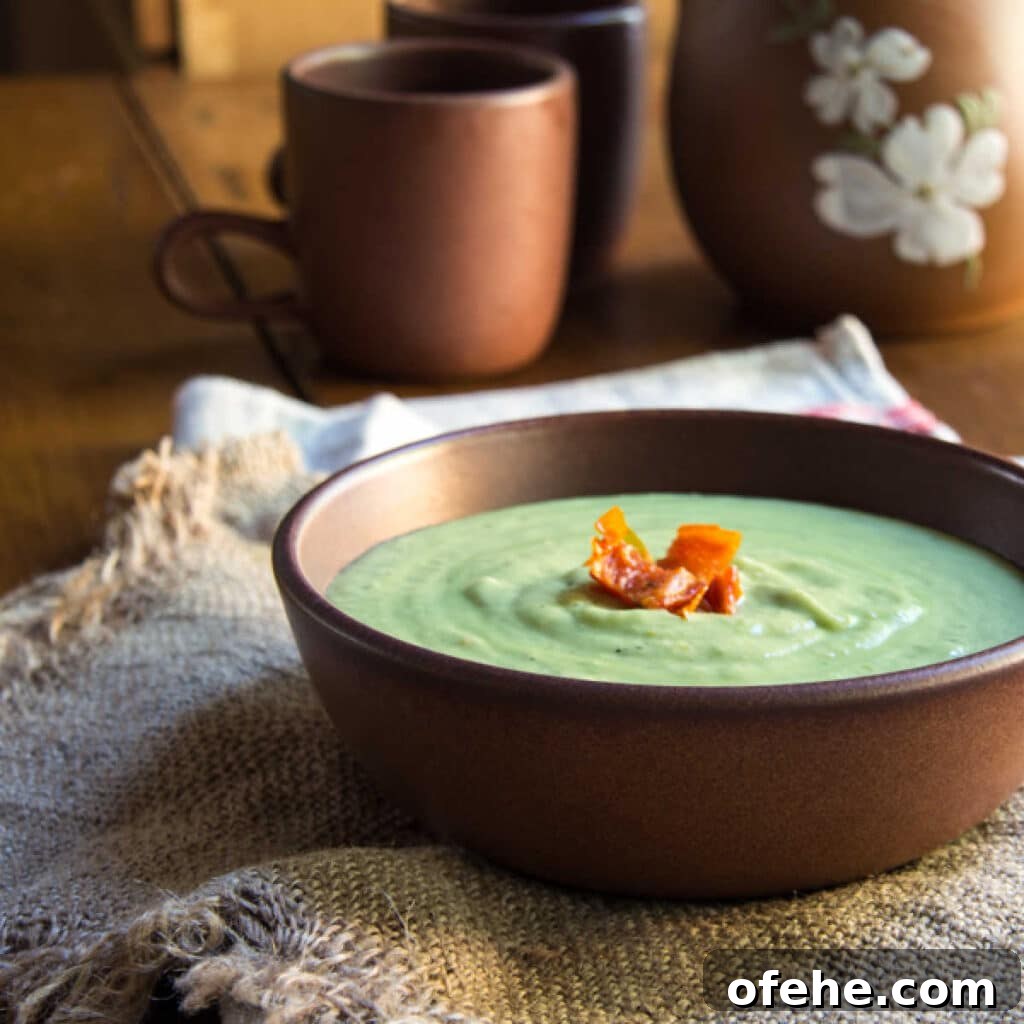
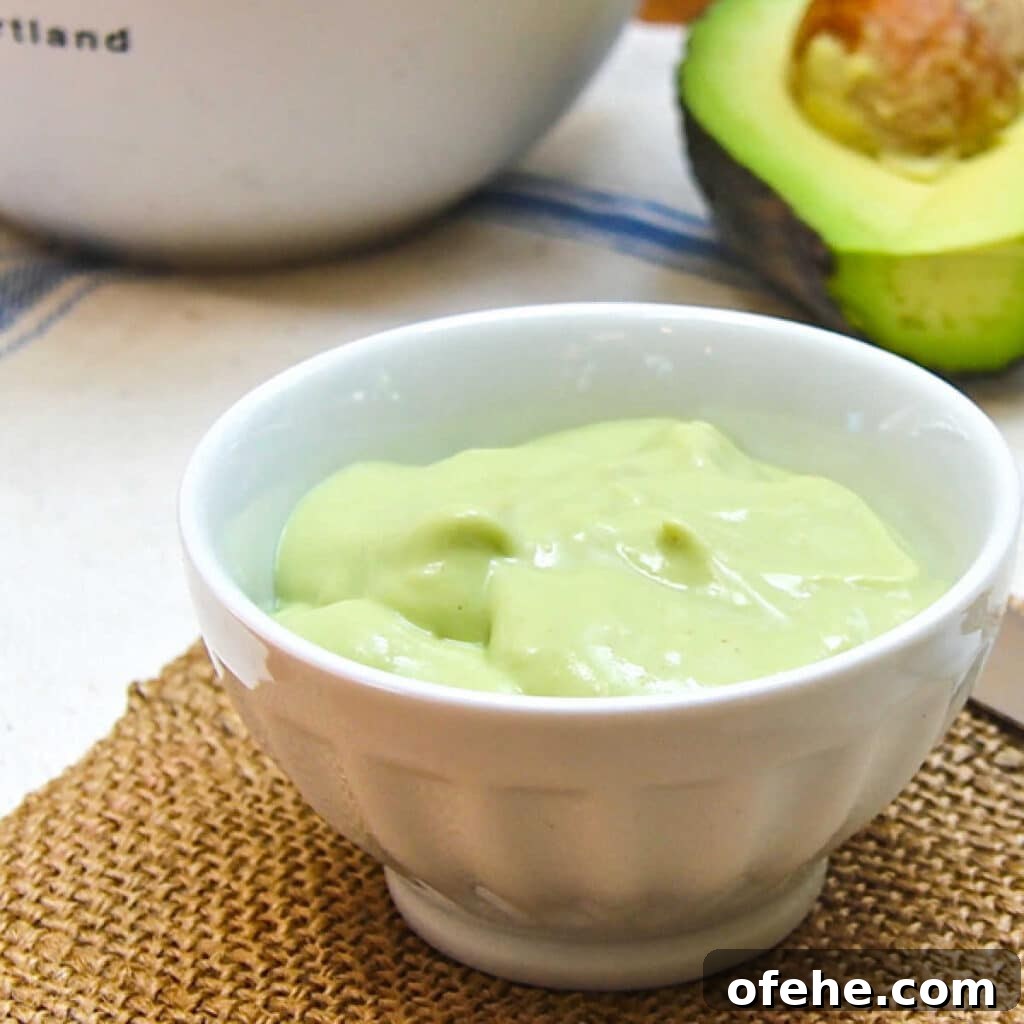
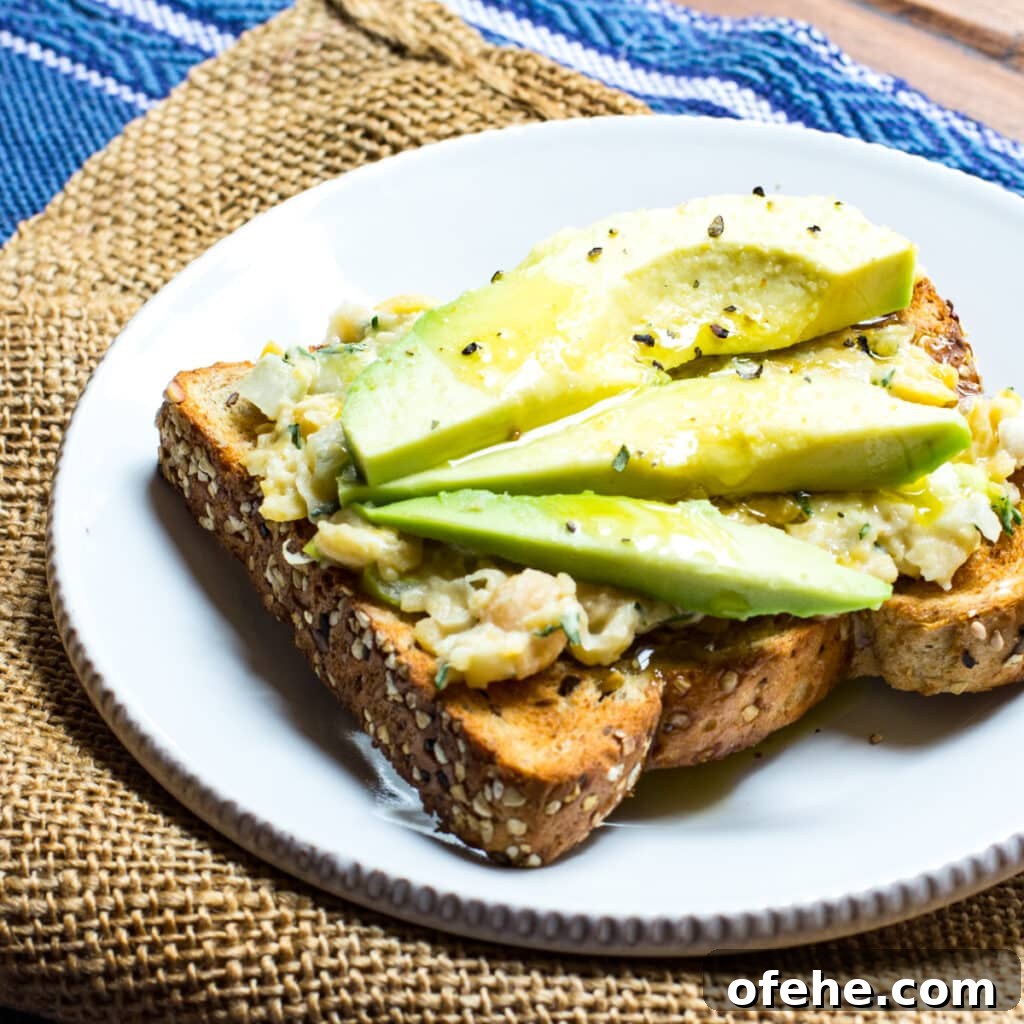
Recipe ideas — click any photo for the recipe.
🫐 Berries
Blueberries, blackberries, and strawberries are all in season in much of the U.S. in June.
Choosing the best berries
- These berries are listed on EWG’s 2026 Dirty Dozen, so buy organic when possible.
- Check for mold and avoid cartons with soft or leaking fruit.
- Strawberries do not ripen after picking, so choose fully red, firm berries without blemishes.
Storage tips
- Remove berries from store containers and soak briefly (3 minutes) in a 3:1 water-to-vinegar solution to reduce surface mold spores. Rinse and dry thoroughly.
- Dry completely before storing in airtight containers; glass jars or shallow containers lined with paper towels work well.
Drying tip: Line a salad spinner with paper towels, spin gently to remove moisture, and finish air-drying on fresh paper towels before storing.
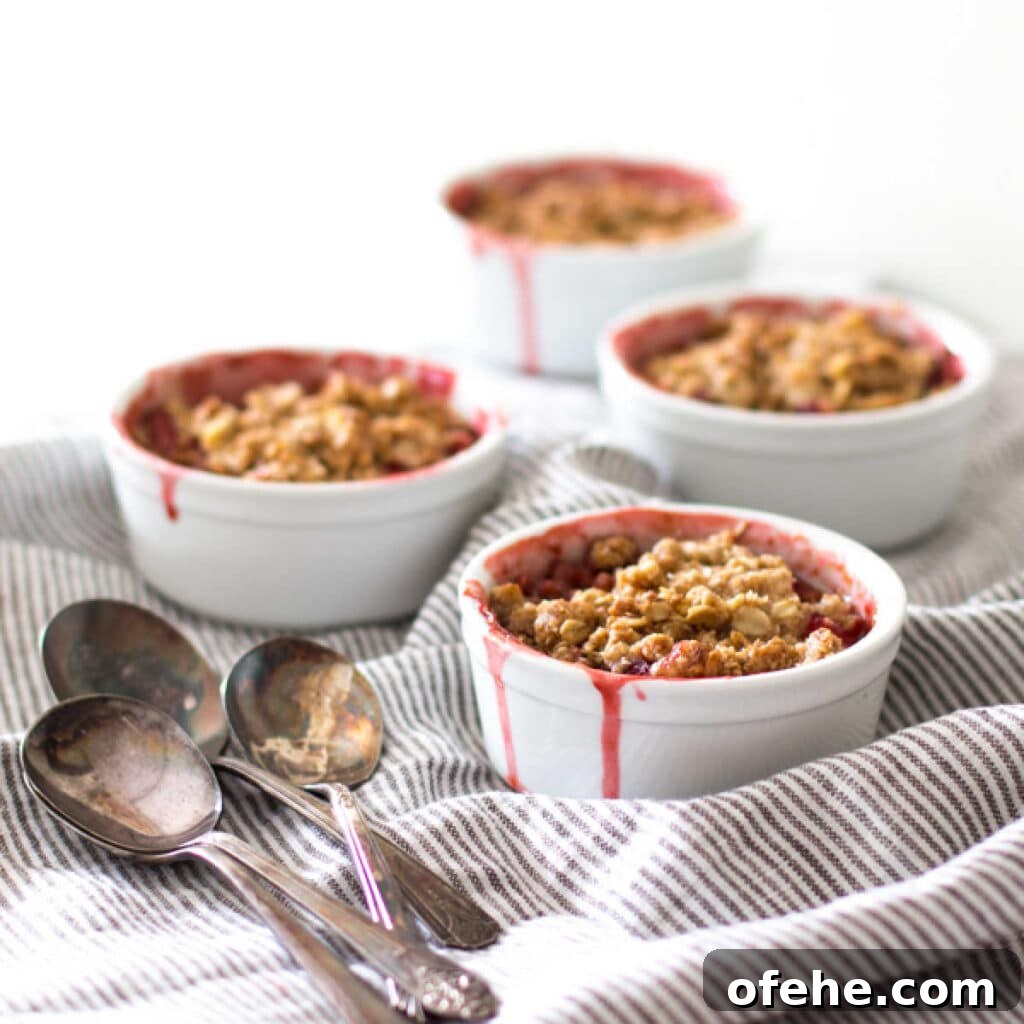
Recipe ideas
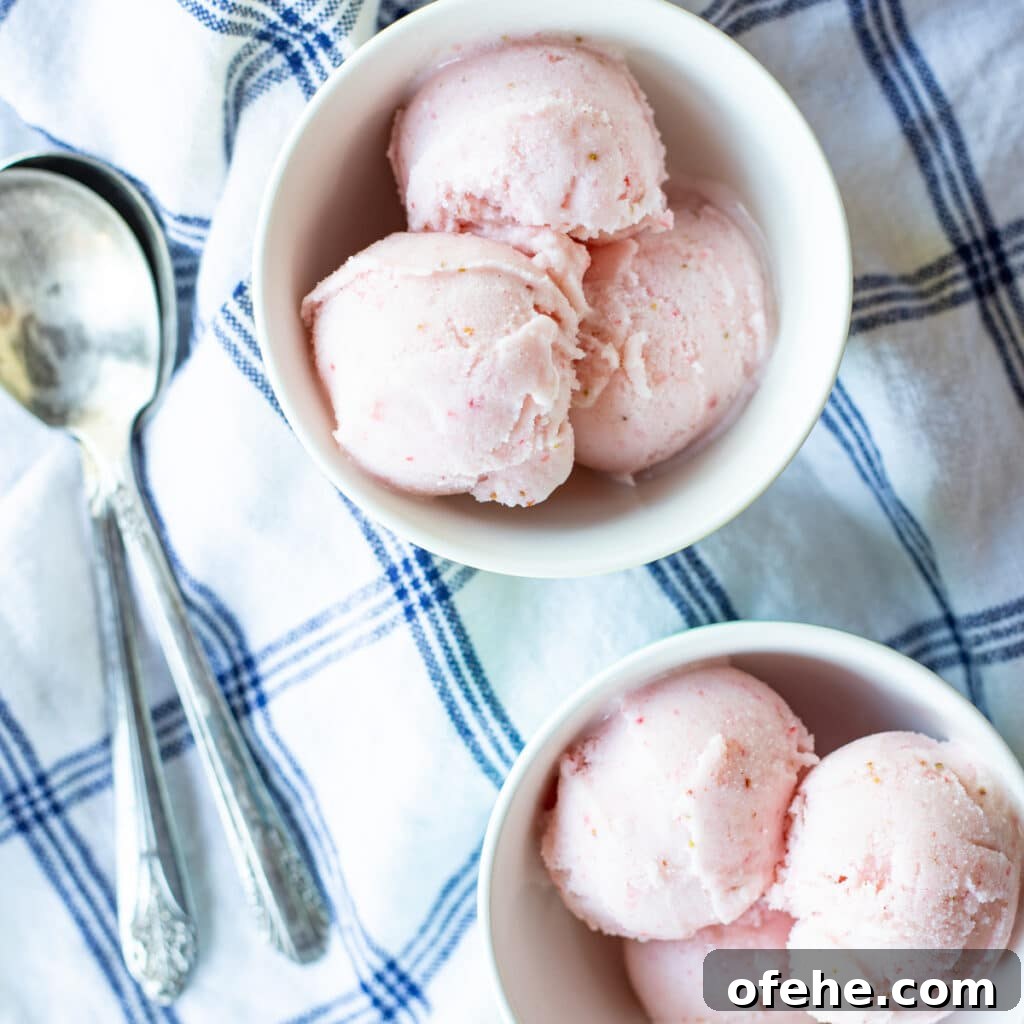
Strawberries

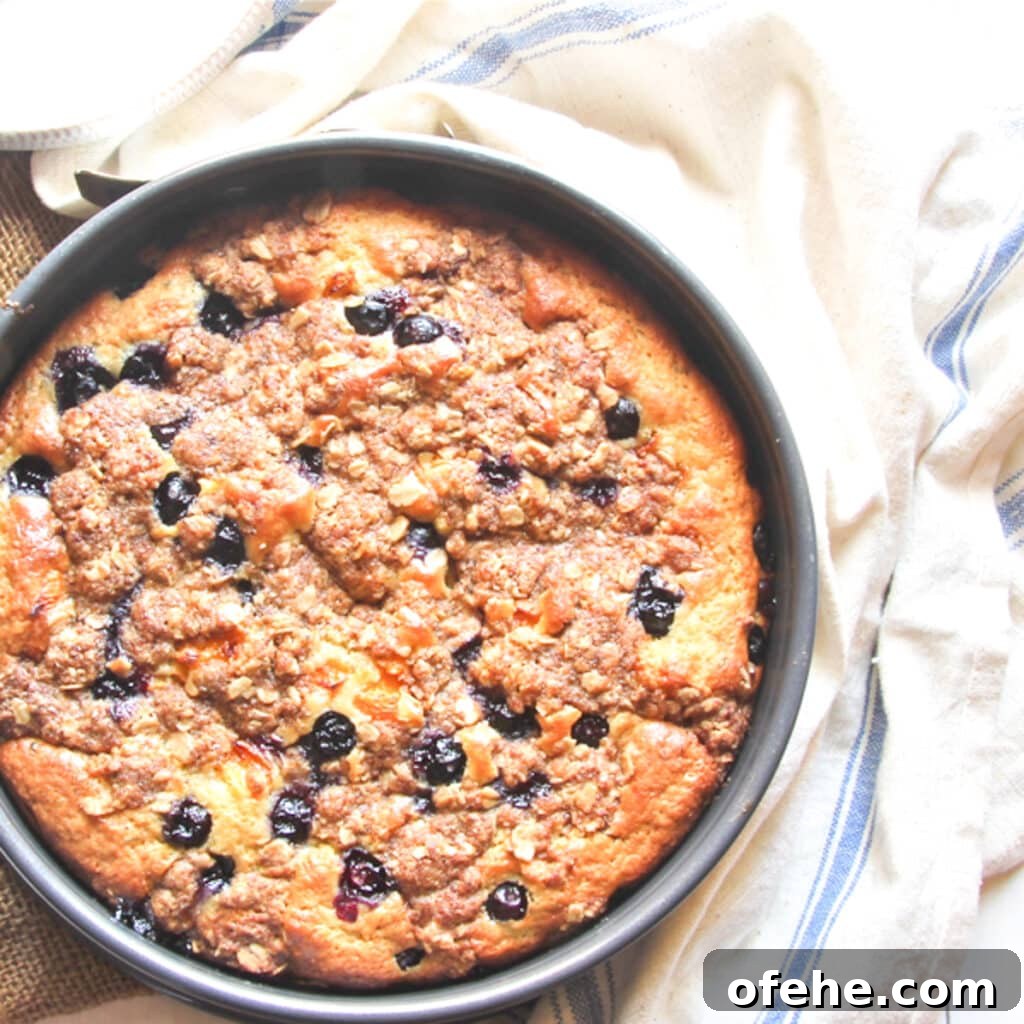
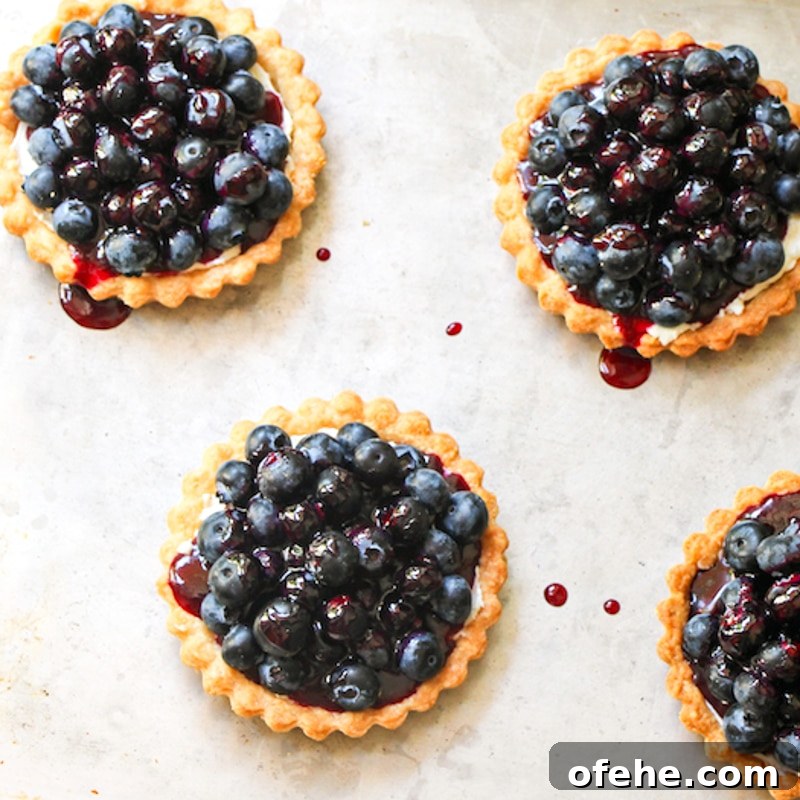
Blueberries

Blackberries



🥭 Mangoes
Mangoes are grown in many regions worldwide, so different varieties appear throughout the year. In June you’ll find several peak varieties depending on origin.
Spotting peak ripeness
- Mangoes are on EWG’s 2026 Clean 15 List.
- Ripe mangoes may show red, orange, yellow, and green hues depending on the variety; gentle pressure should yield slightly.
Storage tips
- Ripen unripe mangoes on the counter or inside a paper bag to speed ripening.
- Store ripe mangoes in the refrigerator for up to five days.
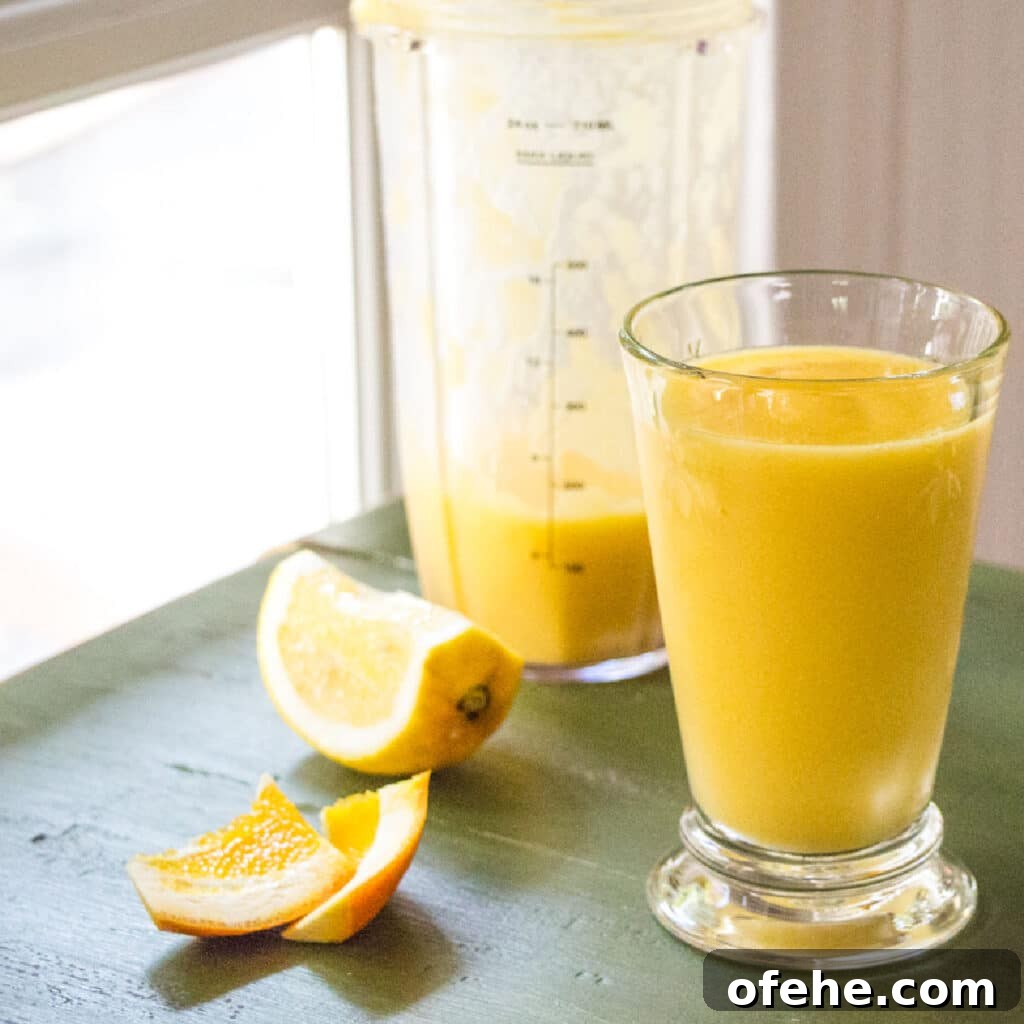
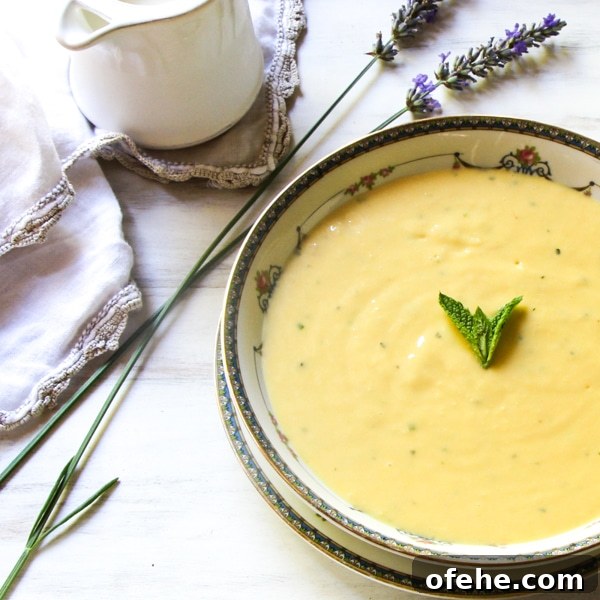
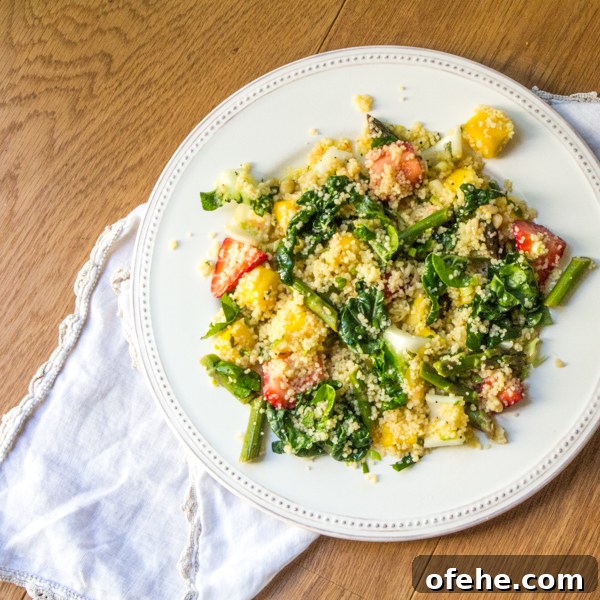
Recipe ideas
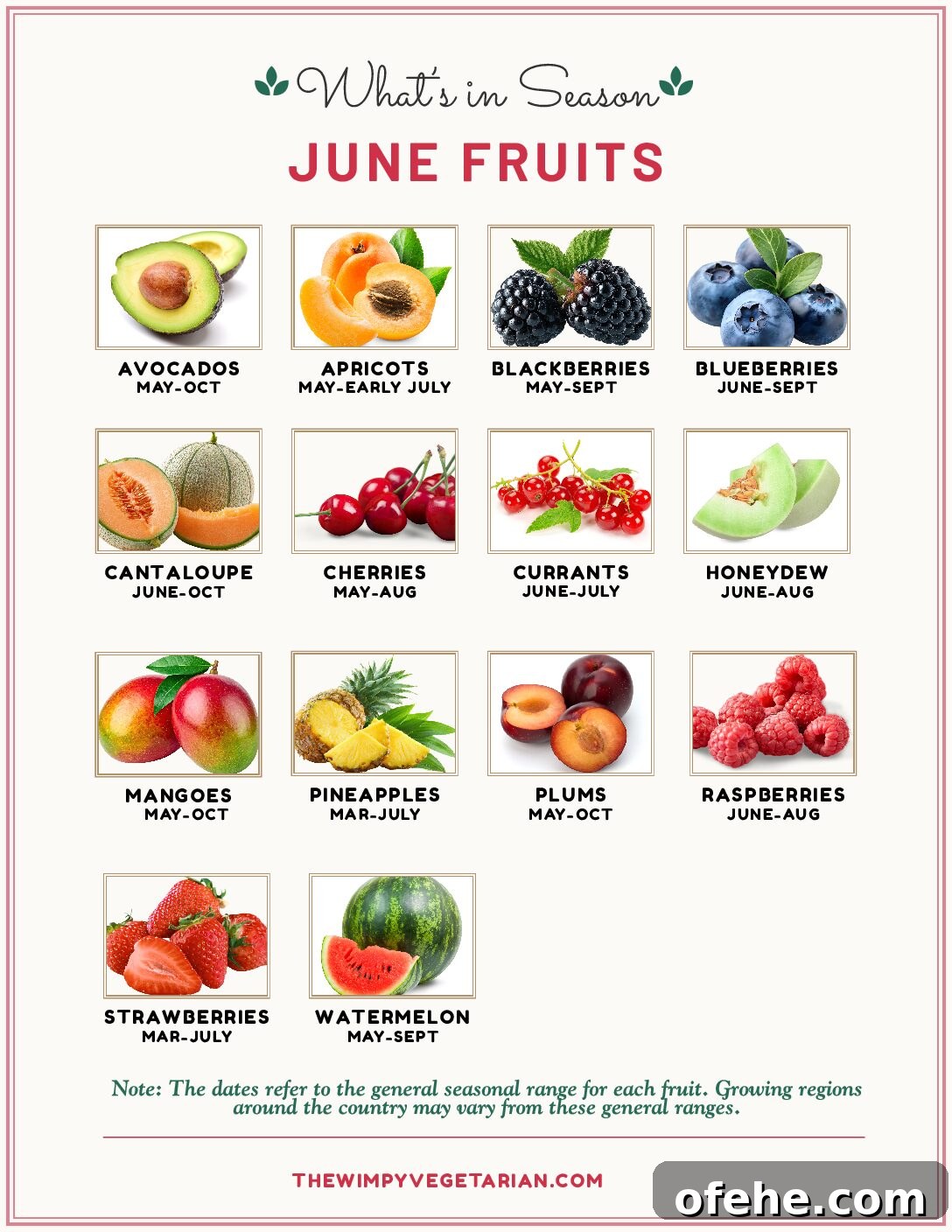
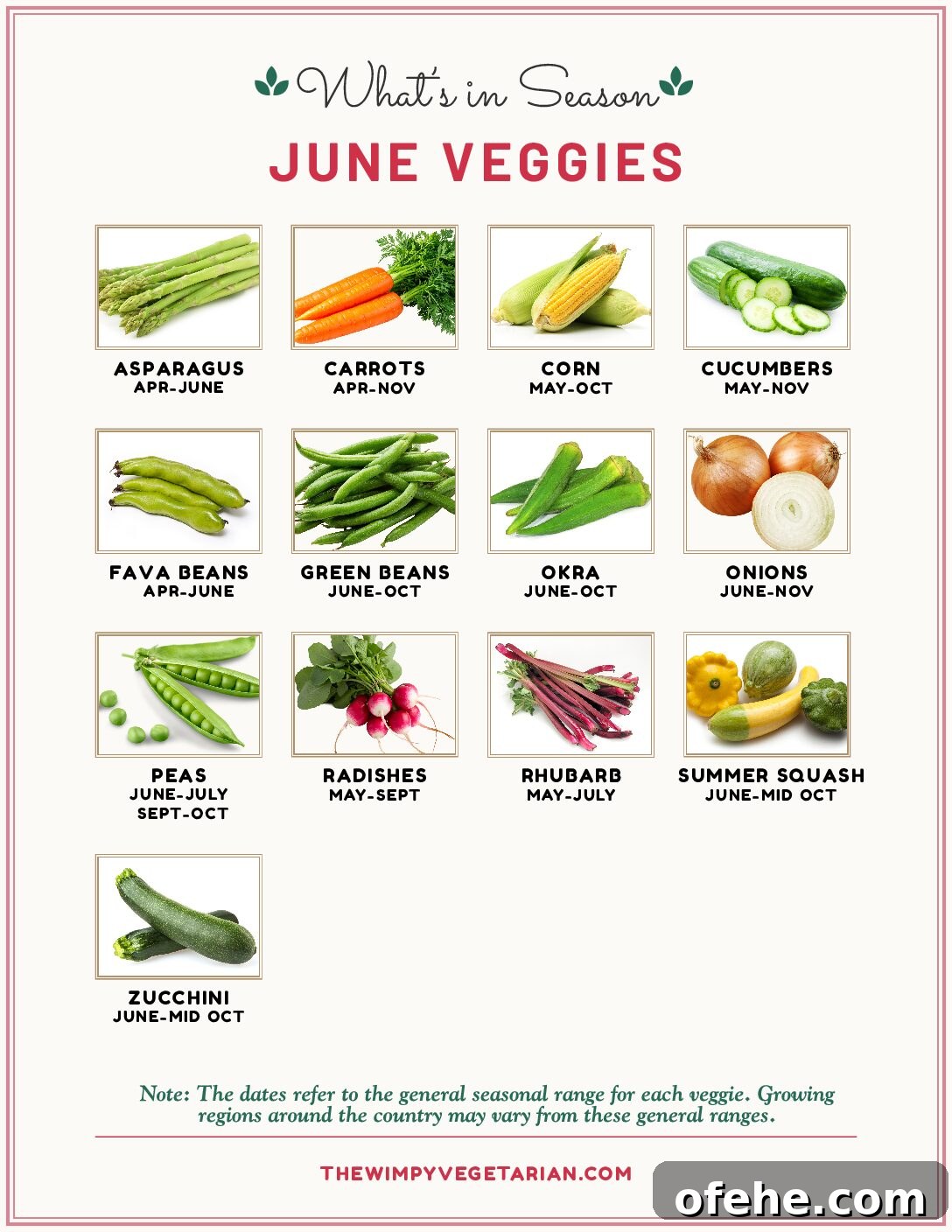
Print a June fruits chart for a quick reference of what’s typically in season now.
VEGETABLES AT THEIR PEAK IN JUNE
🌱 Asparagus
Asparagus peaks from April through early June. If you still see fresh spears at your farmers market, pick them up — the season is ending in many regions.
Asparagus is on EWG’s 2026 Clean 15 List.
Storage tips
Do not pre-wash asparagus. Two good storage methods:
- Best: Trim 1–2 inches from the woody ends, stand spears upright in a jar with about 1 inch of cold water, loosely cover the tops with a plastic bag, and refrigerate. Change water if it becomes cloudy. This can keep spears fresh up to two weeks.
- Damp towel method: Trim ends, wrap them in a damp paper towel, place the bundle loosely in a bag, and refrigerate in the crisper for 5–7 days.
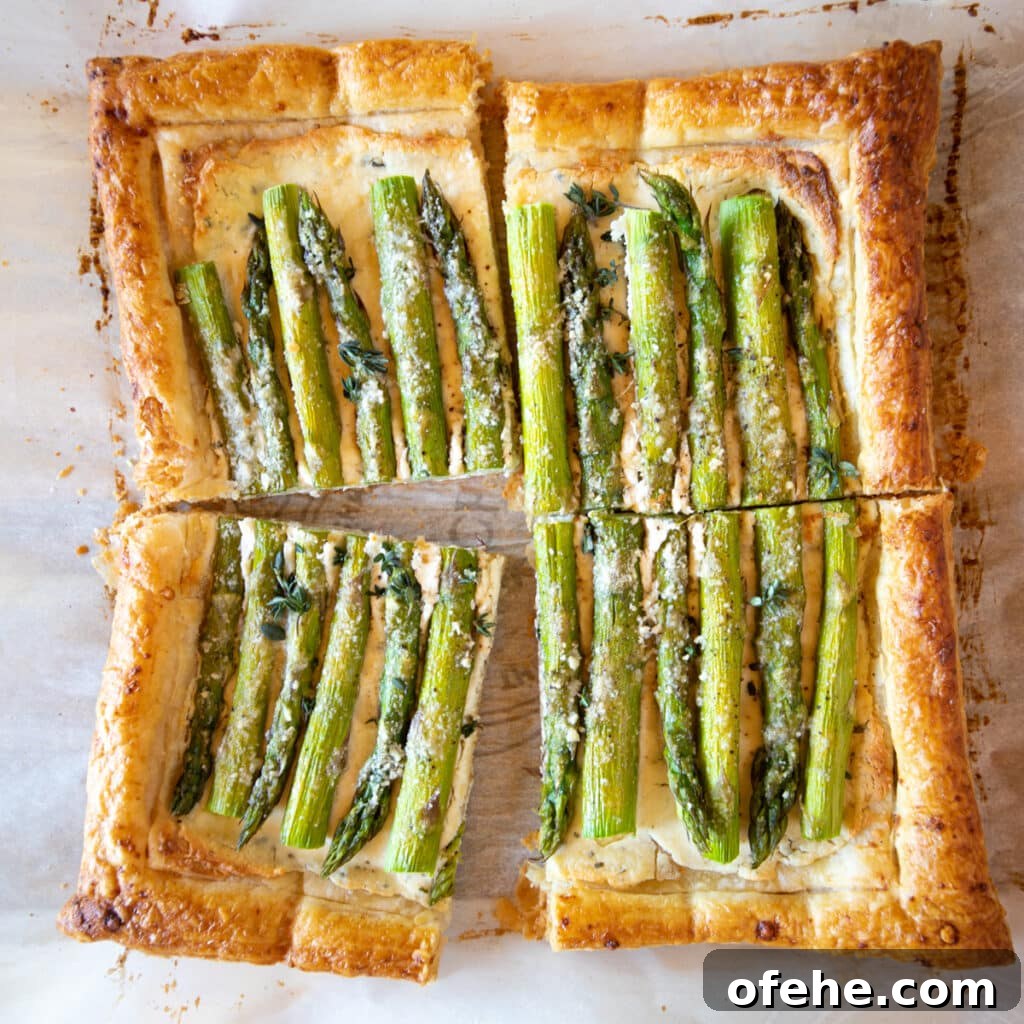
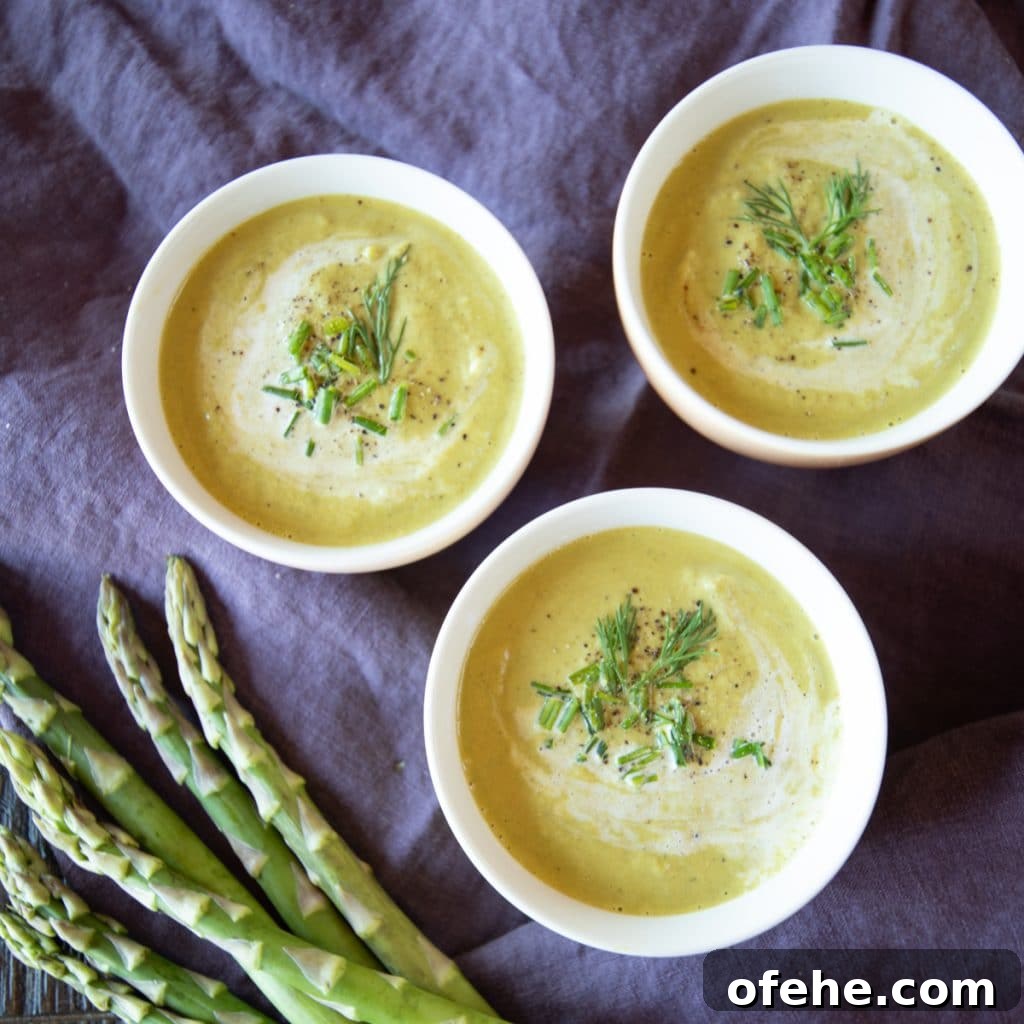
Recipe ideas

🥕 Carrots
New spring carrots — small, tender, and mild — are often available through June at farmers markets. Carrots are on EWG’s 2026 Clean 15 List.
Choosing the best carrots
Look for carrots with bright green tops intact; the tops indicate freshness.
Storage tips
- Remove green tops right away — the greens draw moisture from the roots and cause limpness. Leave about 1 inch of stem.
- Best: Submerge carrots in a sealed container of fresh cold water in the refrigerator; change the water every 3–5 days. Properly stored this can last 2–4 weeks.
- Alternative: Place unwashed carrots in a sealed bag with a damp paper towel in the crisper for 1–2 weeks.
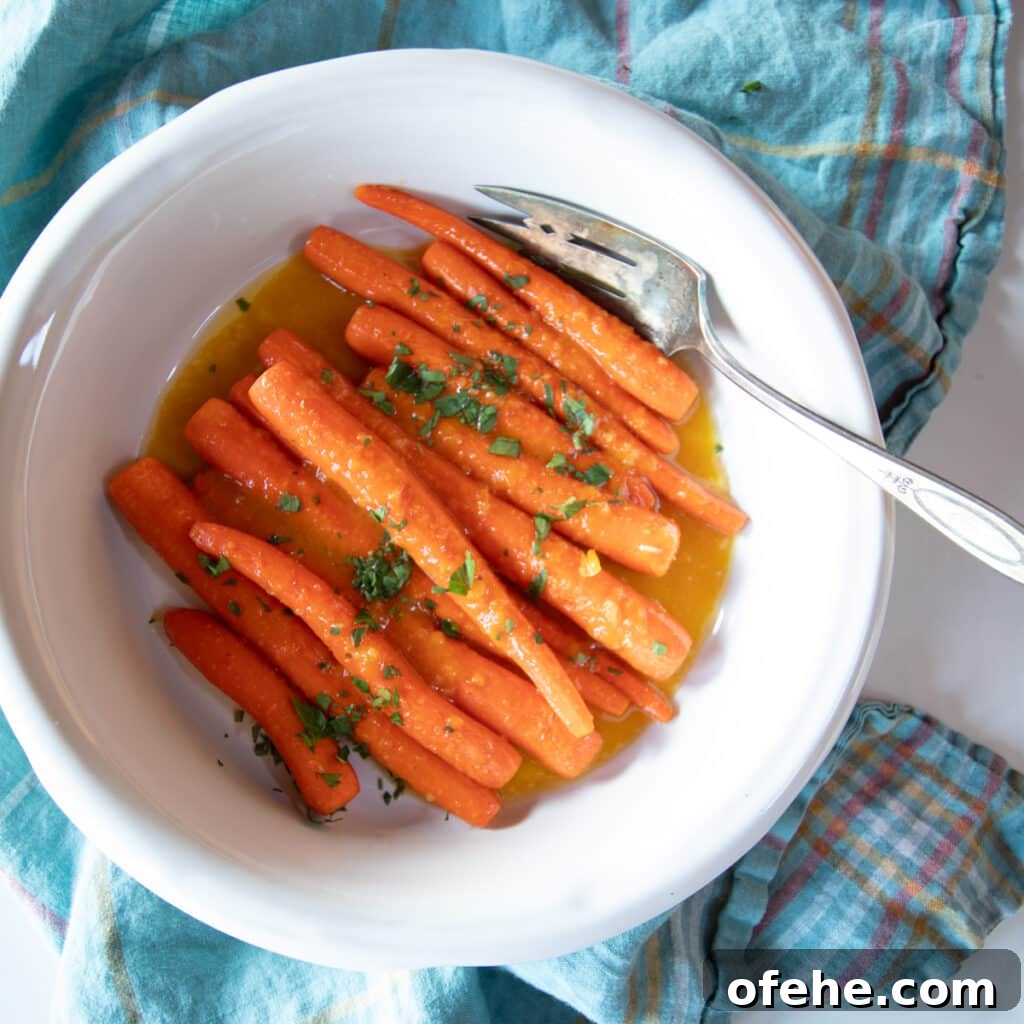
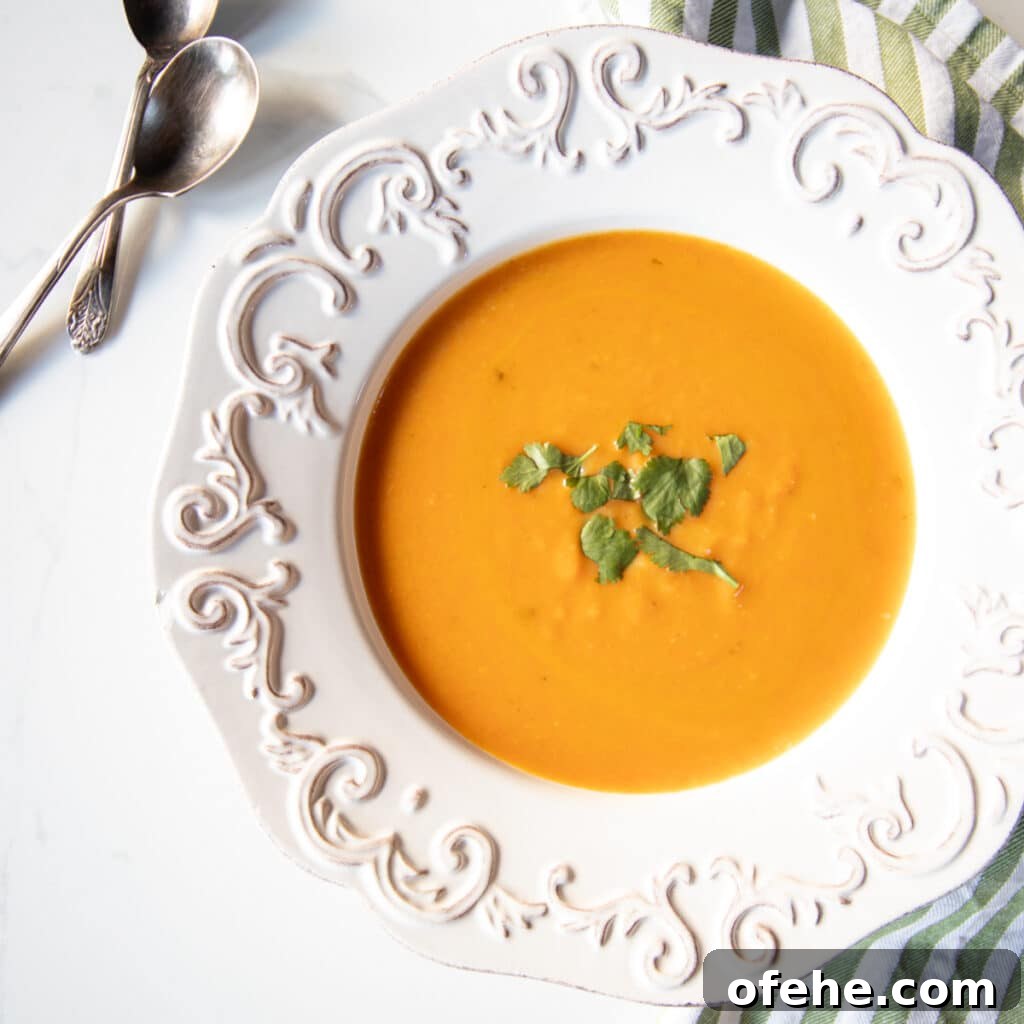
Recipe ideas

🥒 Cucumbers
Cucumbers are in peak season from May through August in many areas.
Storage tips
- Keep plastic wrap on English cucumbers until you’re ready to use them; remove it once cut.
- Wrap whole, unwashed cucumbers in a dry paper towel and store in a loosely ventilated bag to reduce moisture.
- Do not store cucumbers with ethylene-producing produce (bananas, tomatoes, onions, melons) to extend shelf life; whole cucumbers can last up to two weeks when stored properly.
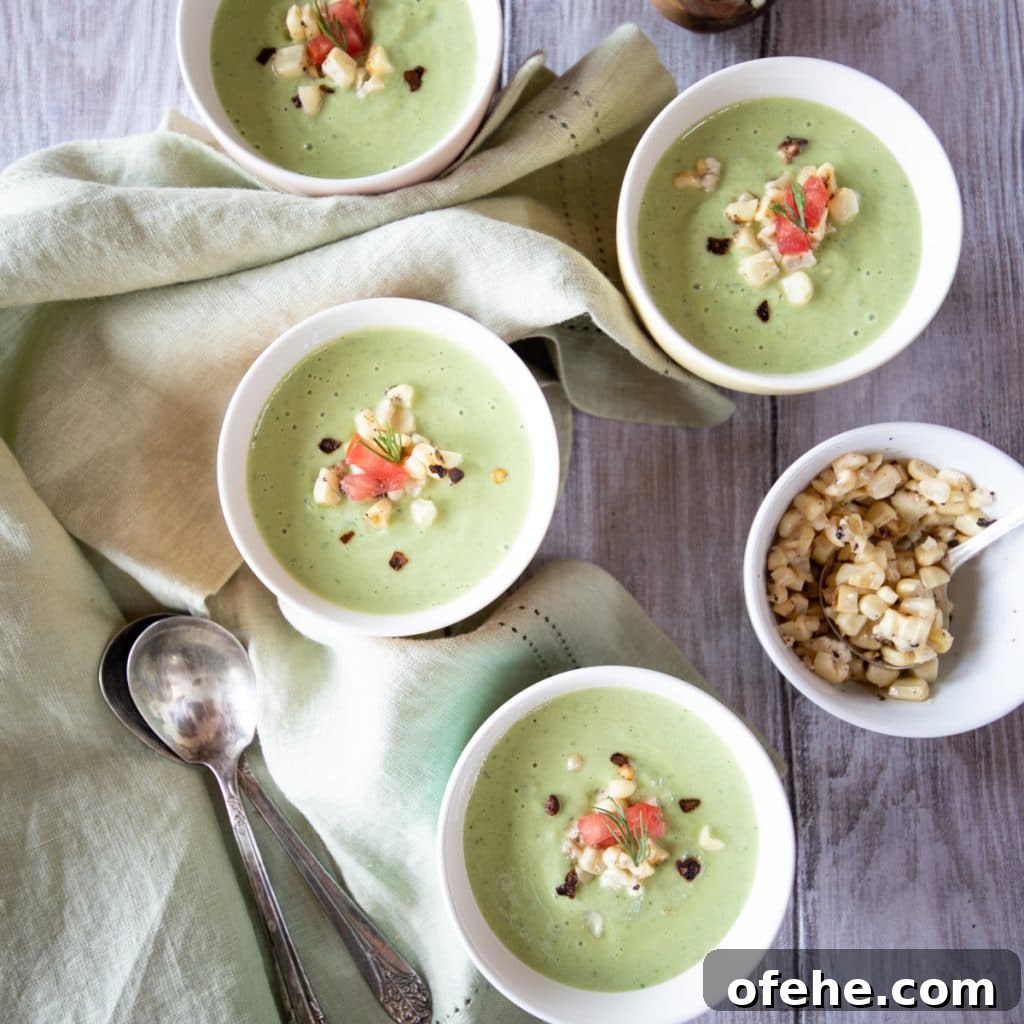
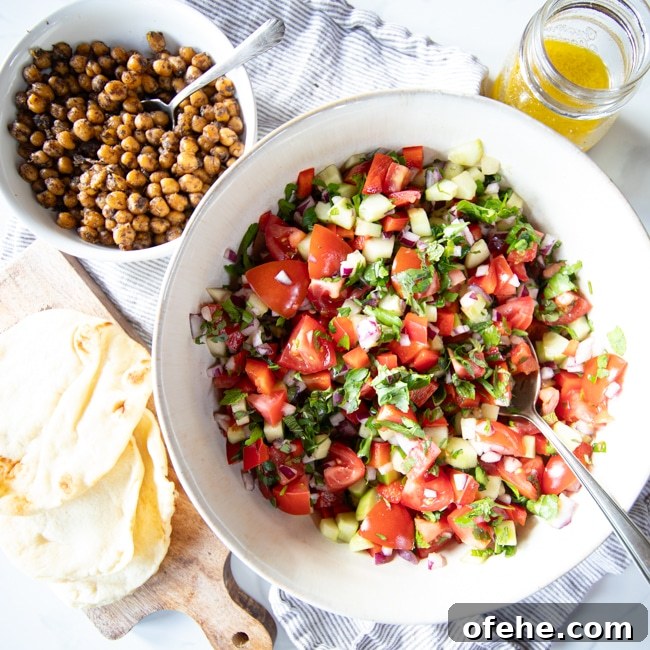
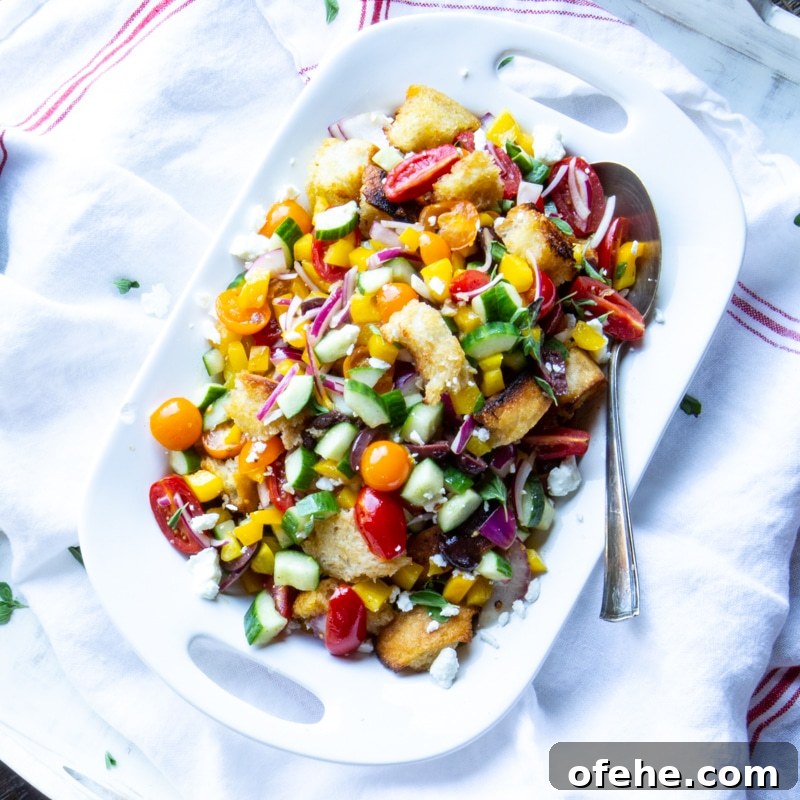
Recipe ideas
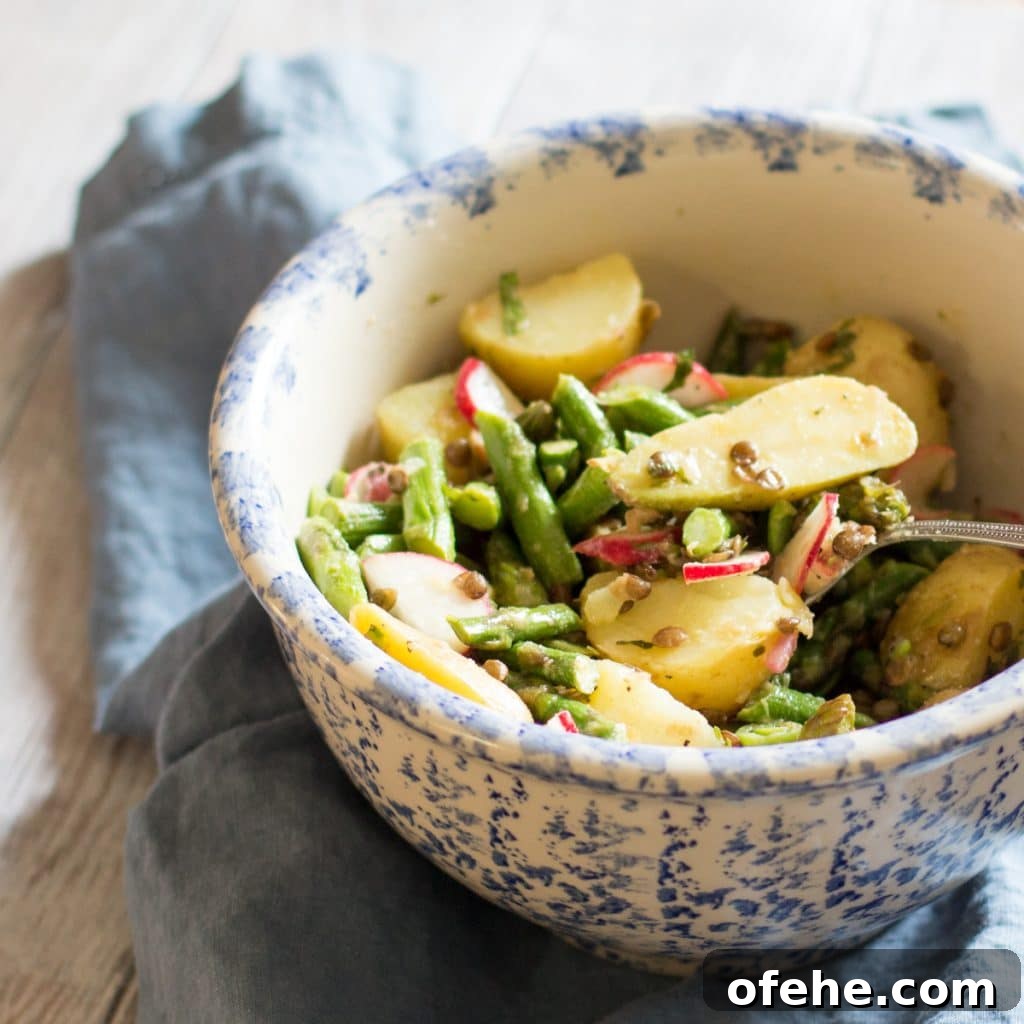
🫛 Green Beans
Local green beans are at their crispiest and sweetest from June through August.
Choosing the best green beans
- Green beans appear on EWG’s extended Dirty Dozen list; opt for organic when possible.
- Look for firm, straight pods that snap crisply; buy loose pods at farmers markets for maximum freshness.
Storage tips
- Store unwashed green beans in an open or perforated plastic bag in the crisper and use within 3–5 days.
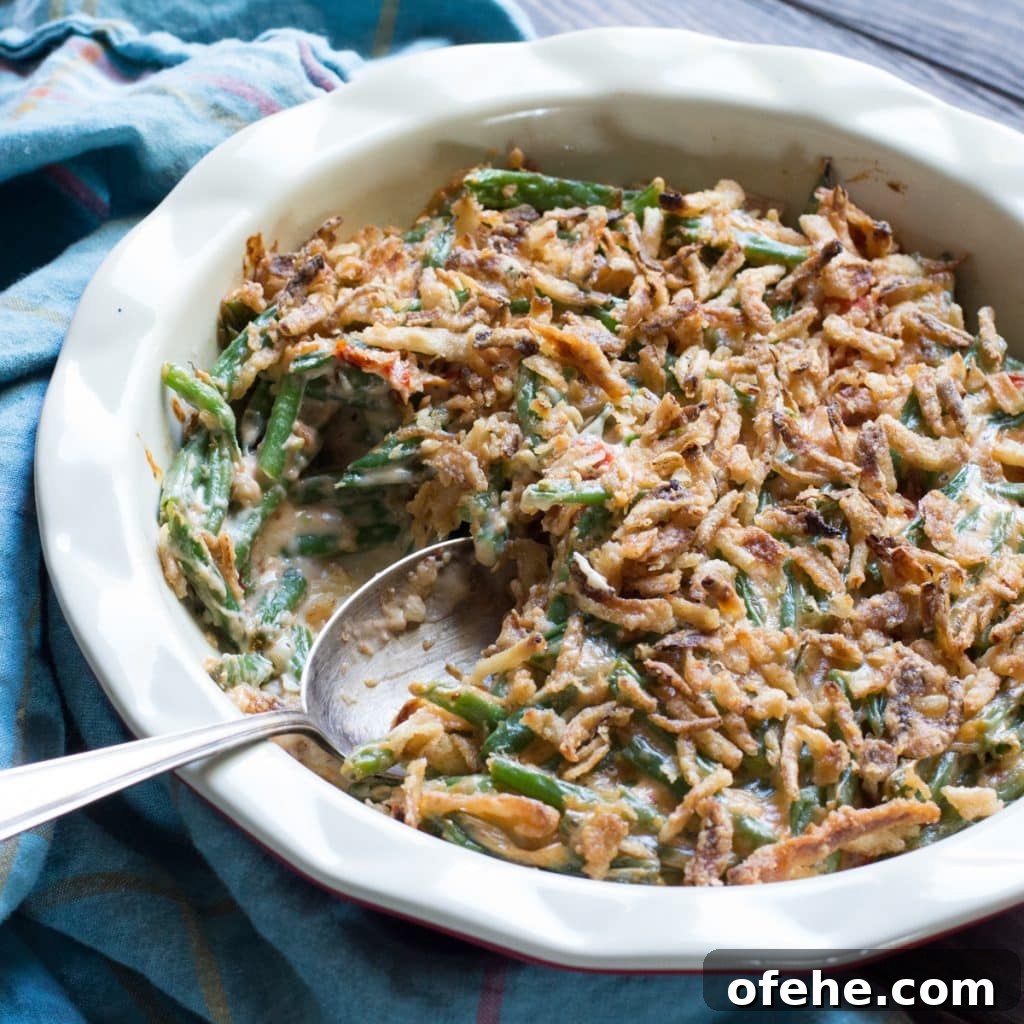
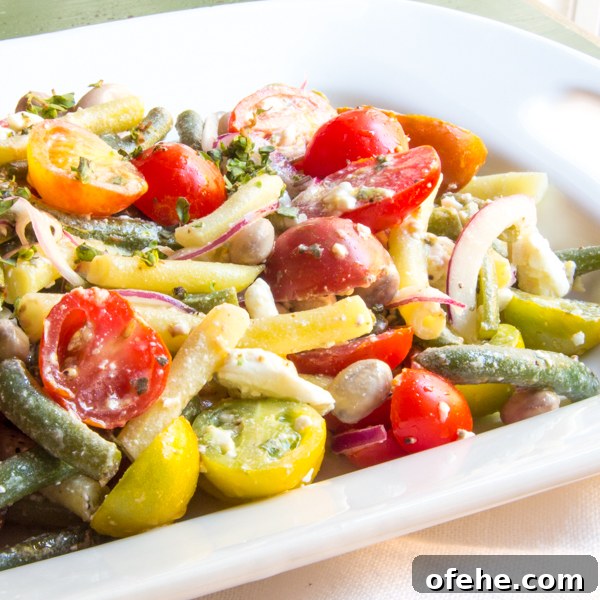
Recipe ideas

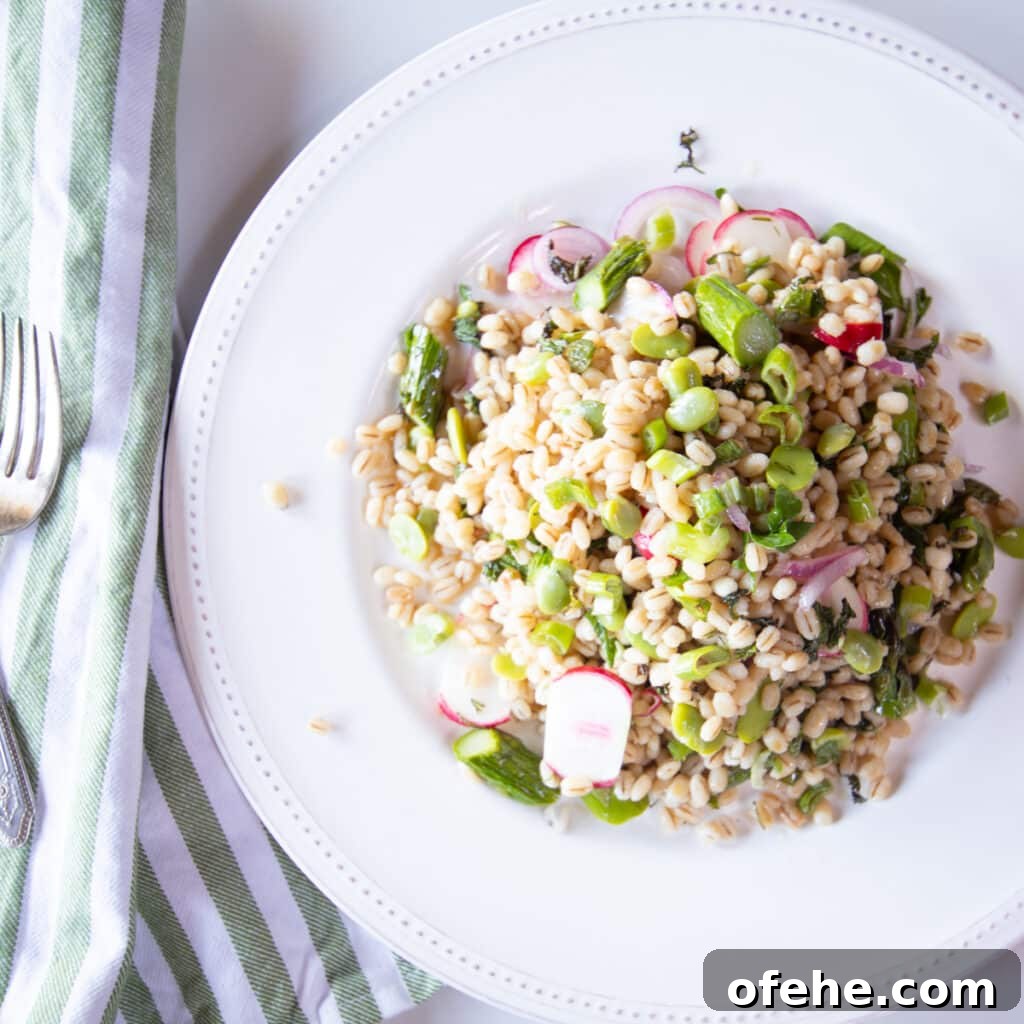
Radishes
June is often the end of the peak season for spring radishes; buy them while they’re still available at local markets.
Choosing the best radishes
- Pick medium-sized radishes that are firm, smooth, and feel heavy for their size; greens should be crisp and bright.
- Avoid large radishes, which can be woody and overly spicy.
Storage tips
Remove greens immediately and store radishes unwashed; follow the same storage methods recommended for carrots to keep them crisp.
Recipe ideas

🌱 Rhubarb
June often marks the end of fresh rhubarb season in many areas, so pick up stalks at the market while they last.
Choosing the best rhubarb
- Choose firm, crisp stalks that aren’t overly wide or woody; avoid dull, tough-looking pieces.
Storage tips
- Remove and discard leaves immediately — rhubarb leaves are toxic.
- Store unwashed stalks wrapped in plastic in the refrigerator for up to three weeks; upright in an inch of water also works but can be impractical for tall stalks.
🌱 Summer Squash & Zucchini
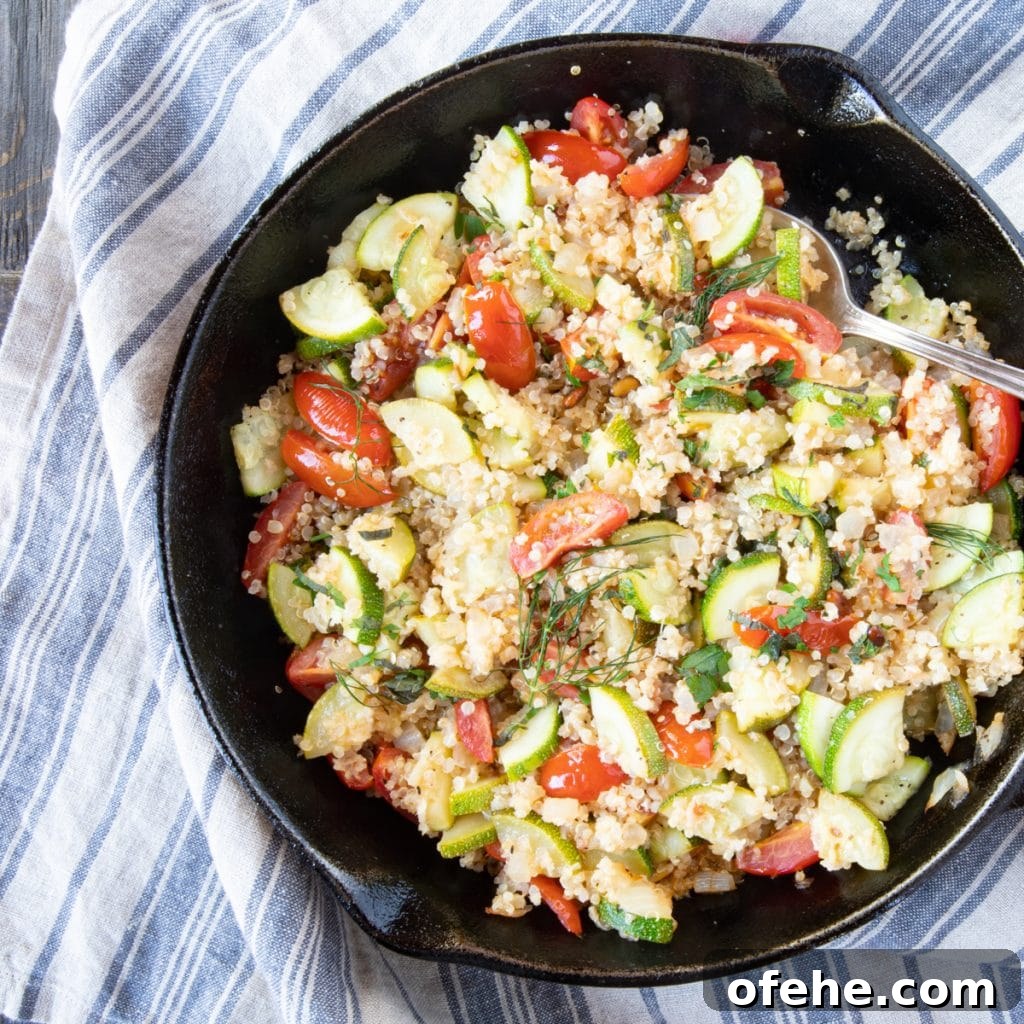
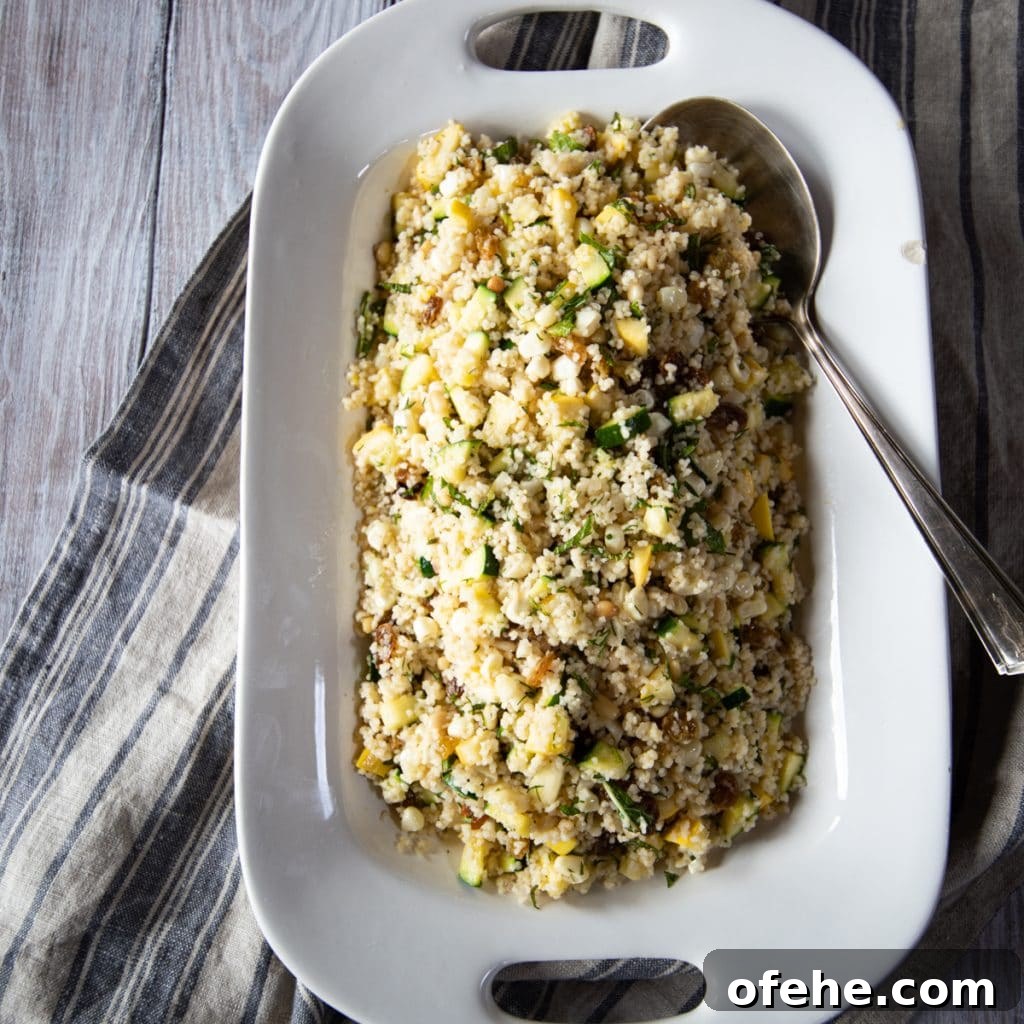
Peak season for summer squash and zucchini varies by region but often begins in June (earlier in warmer areas and later in cooler climates).
Storage tips
Store whole, unwashed squash and zucchini in the crisper drawer in a bag with one end open for airflow; they will keep 1–2 weeks.
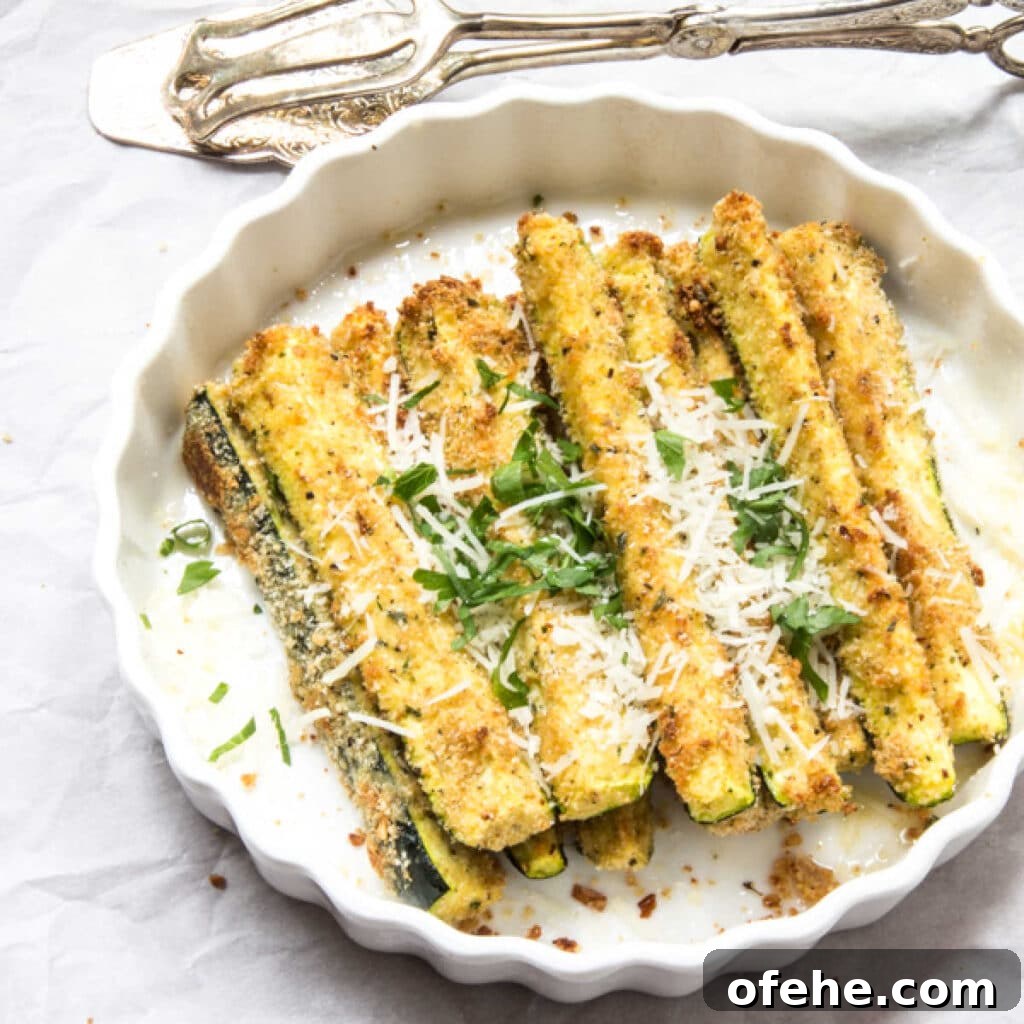
Recipe ideas
Zucchini
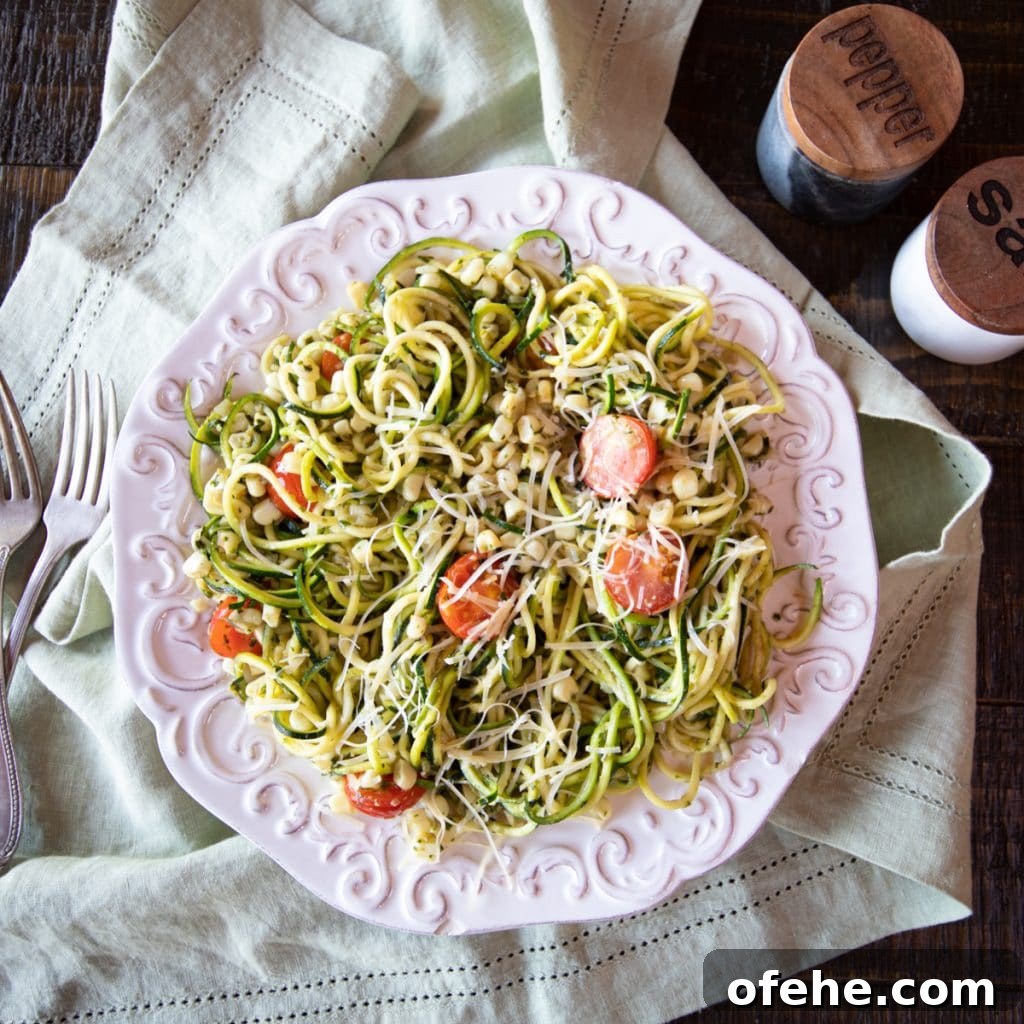
Summer squash


Seasonal availability varies by region, so use these guidelines alongside your local farmers market to find the very best produce in June. Enjoy the peak flavors of early summer!