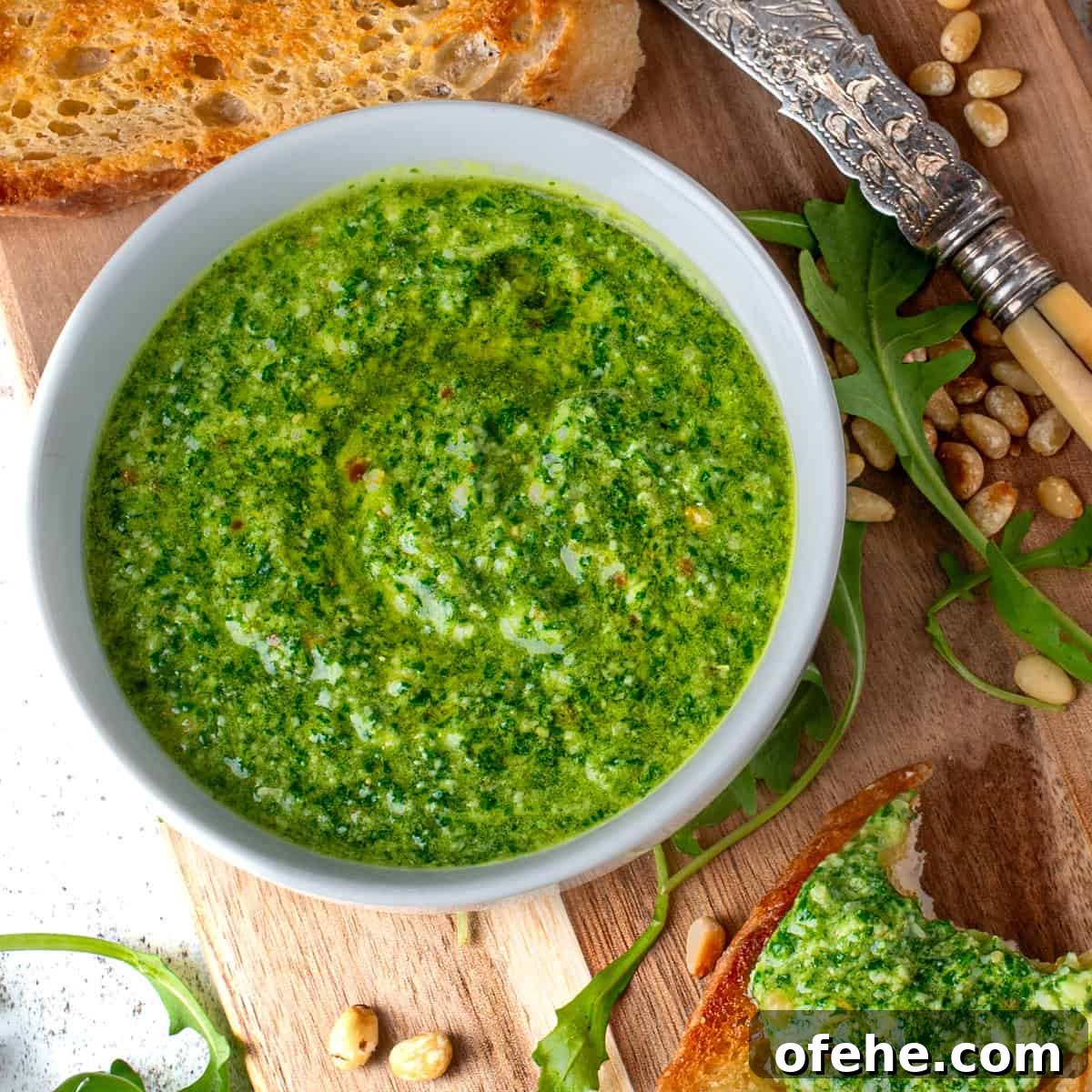
This arugula pesto is a fast, peppery alternative to classic basil pesto. Made with fresh arugula (rocket), pine nuts, Parmesan, garlic, lemon juice and olive oil, it comes together in about 5 minutes using a food processor. It works beautifully tossed with pasta or spooned over toast, sandwiches, roasted vegetables and grilled chicken.
In the UK, arugula is commonly called rocket, so you may see this labelled as rocket pesto. The leaves give a bright, slightly peppery note that’s balanced with Parmesan, lemon and a touch of sugar to mellow any bitterness.
[feast_advanced_jump_to]
Recipe updated 01 June 2026: Clarified arugula/rocket wording, added pasta tips, storage and freezing advice, and troubleshooting for bitterness and texture.
Arugula pesto vs rocket pesto
Arugula and rocket are the same leafy green—“arugula” is used in the US and “rocket” in the UK. This recipe substitutes arugula for basil to create a peppery, zesty pesto with plenty of character.
Why this arugula pesto works
- Ready in 5 minutes – everything goes into a food processor.
- Fresh and peppery – arugula gives it a bolder flavour than basil pesto.
- Balanced, not harsh – lemon, Parmesan and a little sugar soften the natural bitterness.
- Great for using up greens – perfect for finishing a bag of salad leaves.
- Easy to tweak – add more oil for looseness, more lemon for zing or extra cheese for richness.
Key ingredients and substitutions
The full ingredient list and measurements are in the recipe card below.
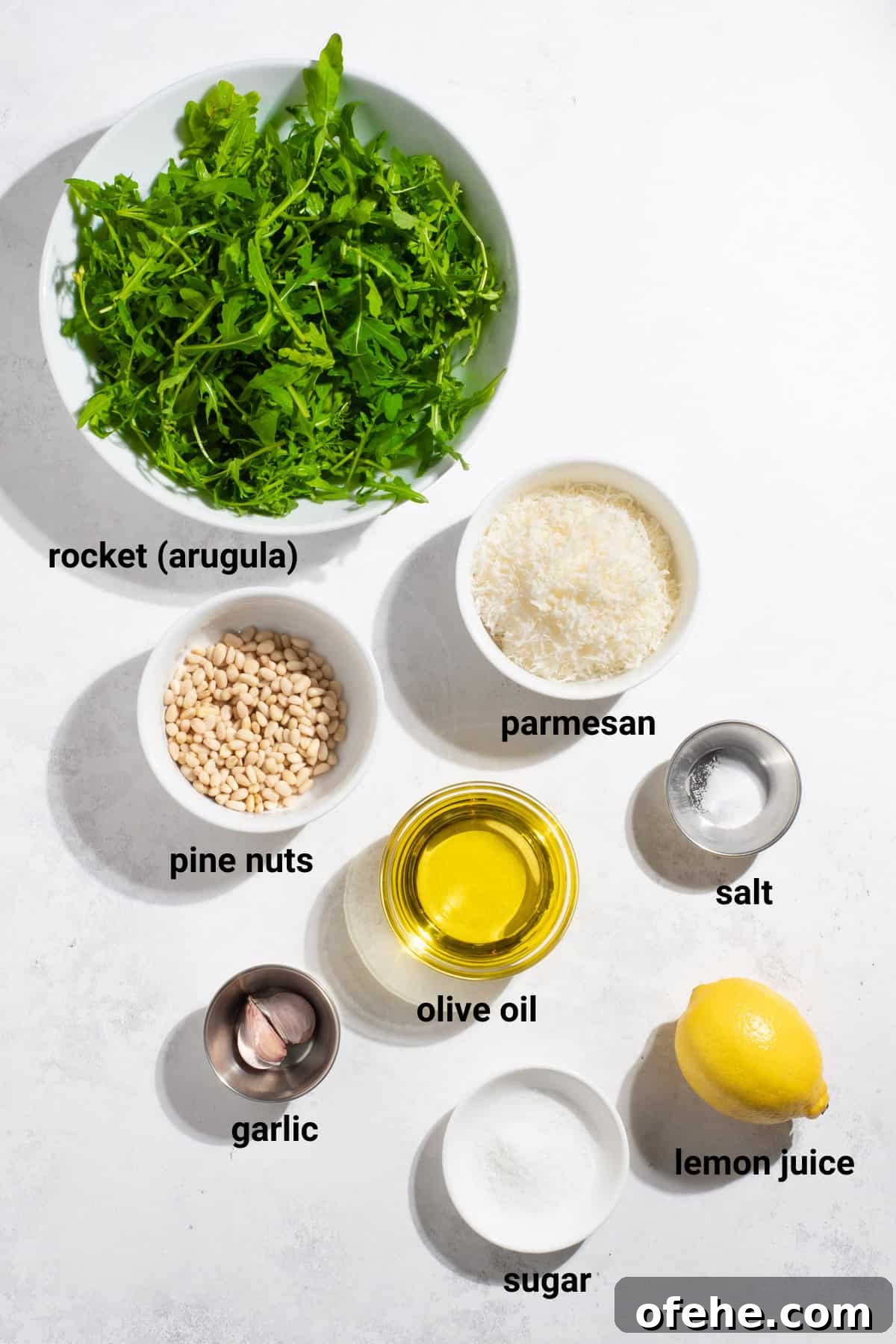
Arugula/rocket
Use fresh arugula leaves. Baby arugula is milder; wild rocket is more peppery. Avoid yellowed, wilted or wet leaves, which can dull the flavour.
Pine nuts
Lightly toasting pine nuts enhances their nuttiness, but it’s optional. Good substitutes are cashews, walnuts, almonds or macadamias.
Parmesan
Parmesan provides salty, savory depth. Pecorino Romano or Parmigiano Reggiano work well. For a vegan option, use a vegan hard cheese or nutritional yeast.
Garlic
Two cloves deliver a noticeable garlic presence; use one clove if you want a milder result or garlic paste for convenience.
Lemon juice
Fresh lemon brightens the pesto and balances the peppery leaves. Add a little zest if you prefer extra brightness.
Sugar
A small pinch softens the natural bitterness of arugula without making the pesto sweet. It’s optional but helps round the flavour.
Olive oil
Choose a good-quality virgin or extra virgin olive oil—the oil’s flavour is prominent. Increase the oil for a looser, more saucy texture.
How to make arugula pesto
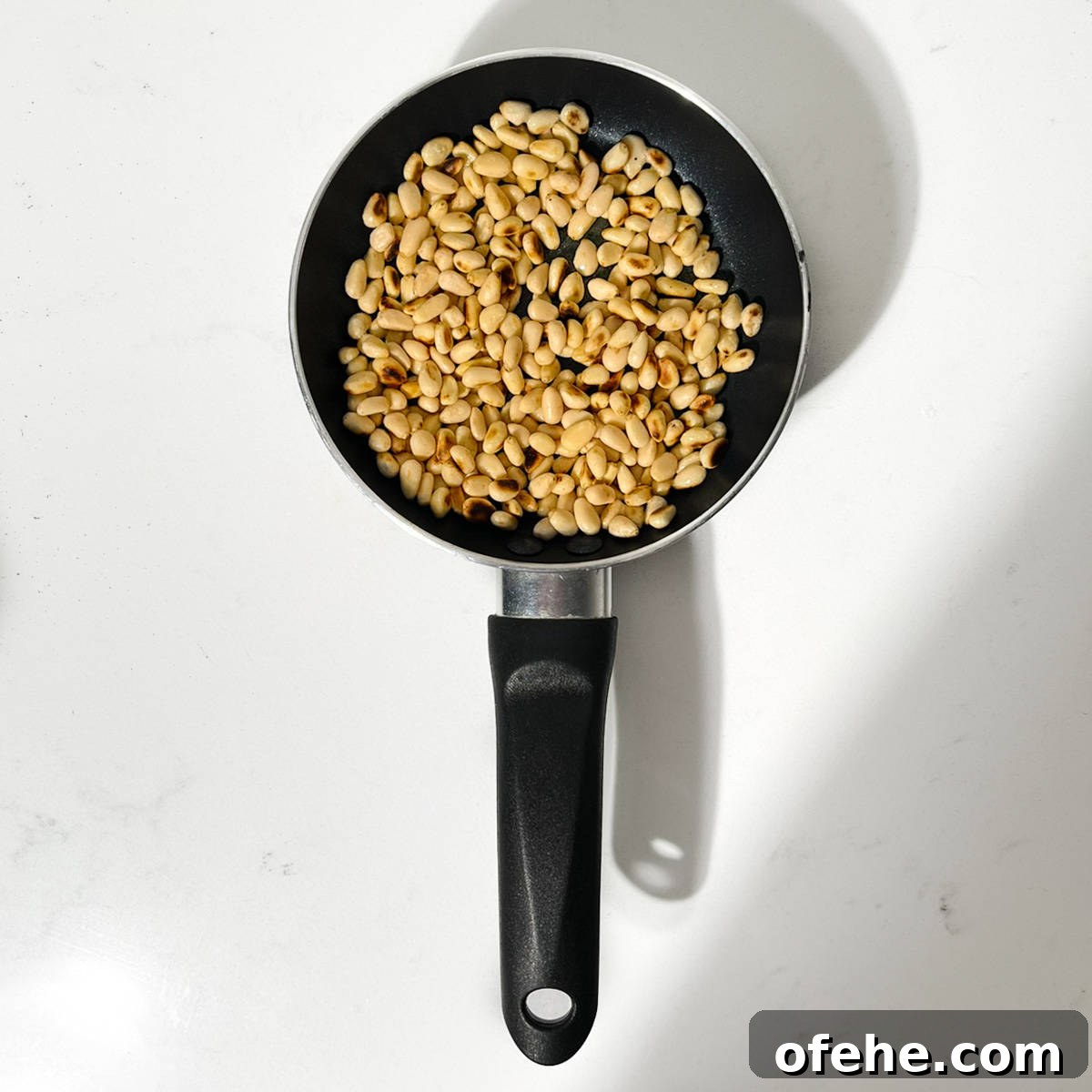
1. Toast the pine nuts in a dry pan over medium heat for a few minutes until lightly golden and fragrant. Let them cool slightly.
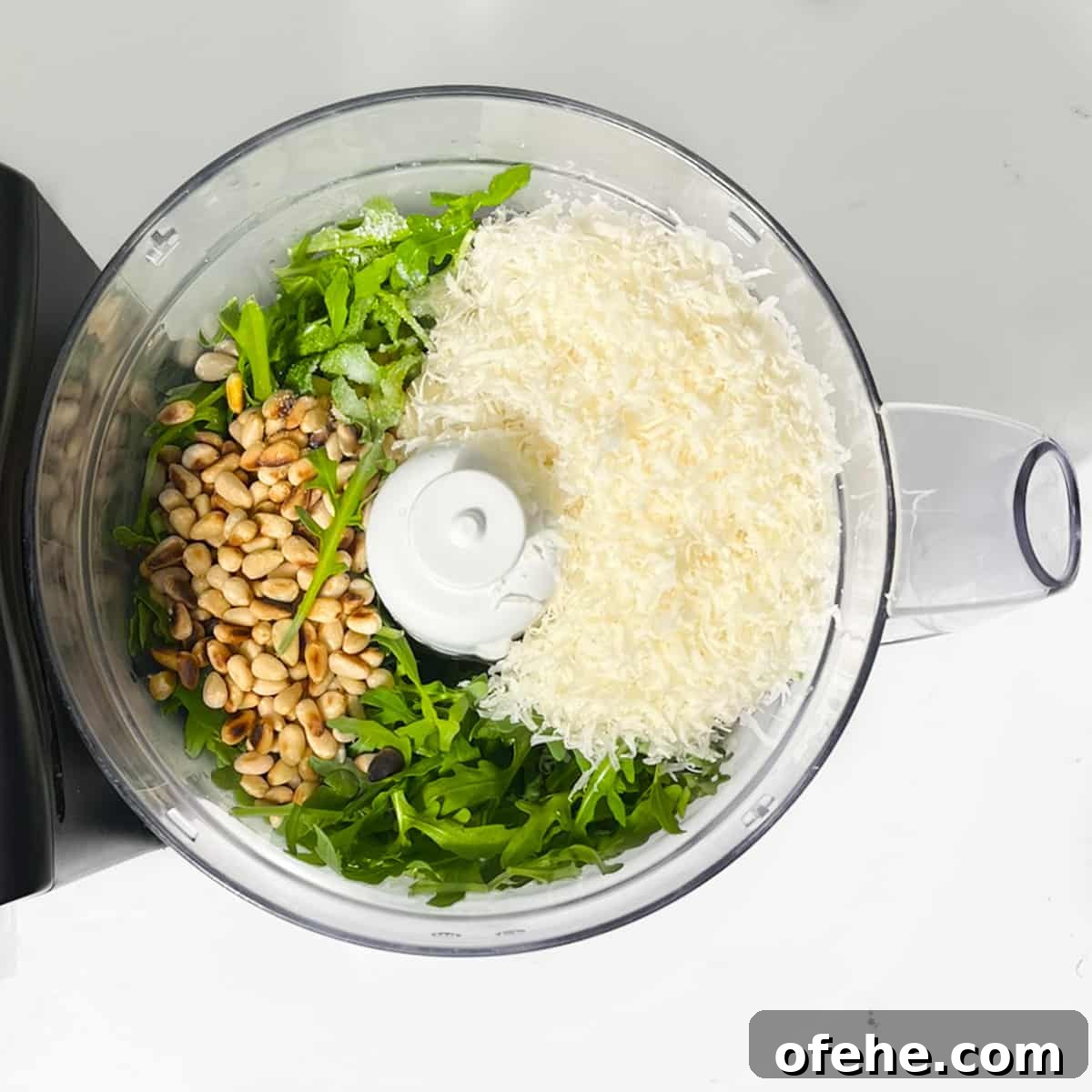
2. Place the arugula, toasted pine nuts, Parmesan, garlic, lemon juice, sugar, salt and olive oil into a food processor.
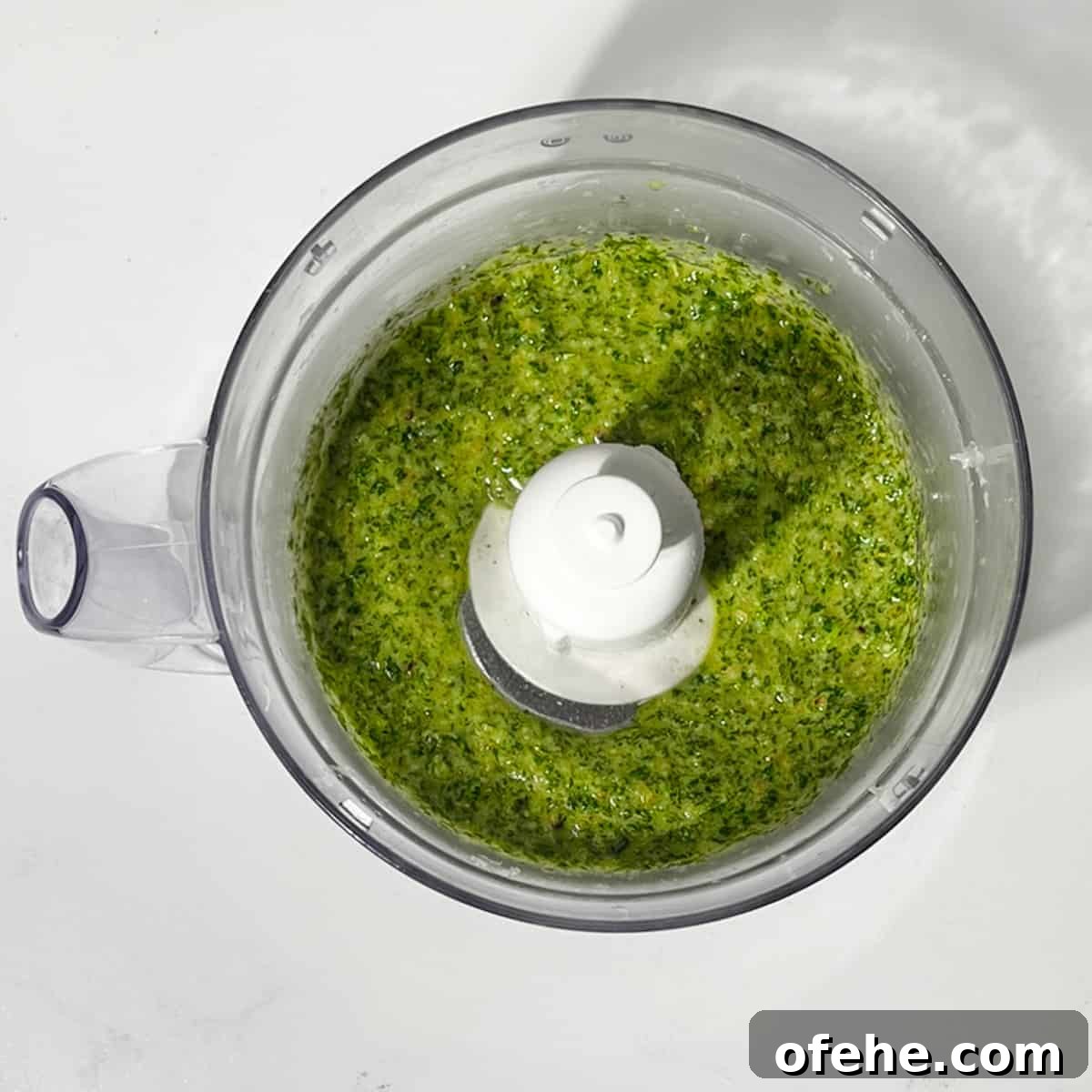
3. Pulse until the pesto reaches your preferred texture, scraping down the sides once or twice. Avoid over-blending—some texture is desirable.
4. Taste and adjust: more lemon for brightness, more Parmesan for savouriness, or extra olive oil for a looser consistency.
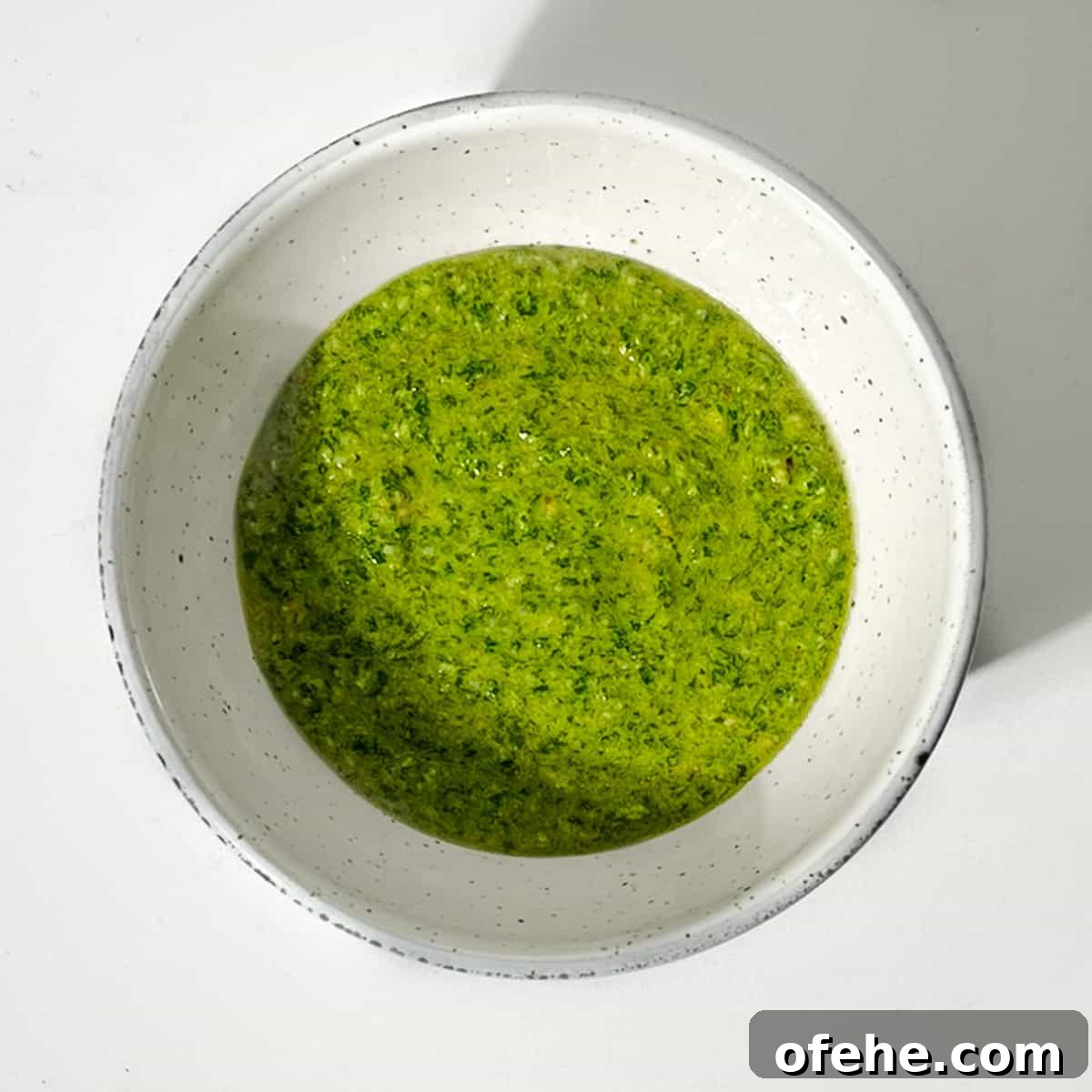
5. Transfer to a jar or bowl and use immediately or store as instructed below.
How to use arugula pesto with pasta
For a quick pasta sauce, toss cooked pasta with 2–3 tablespoons of pesto per serving and a splash of the reserved pasta cooking water. The starchy water thins the pesto and helps it cling to the pasta without adding extra oil. Adjust the amount of pesto to taste.
Ways to use arugula pesto
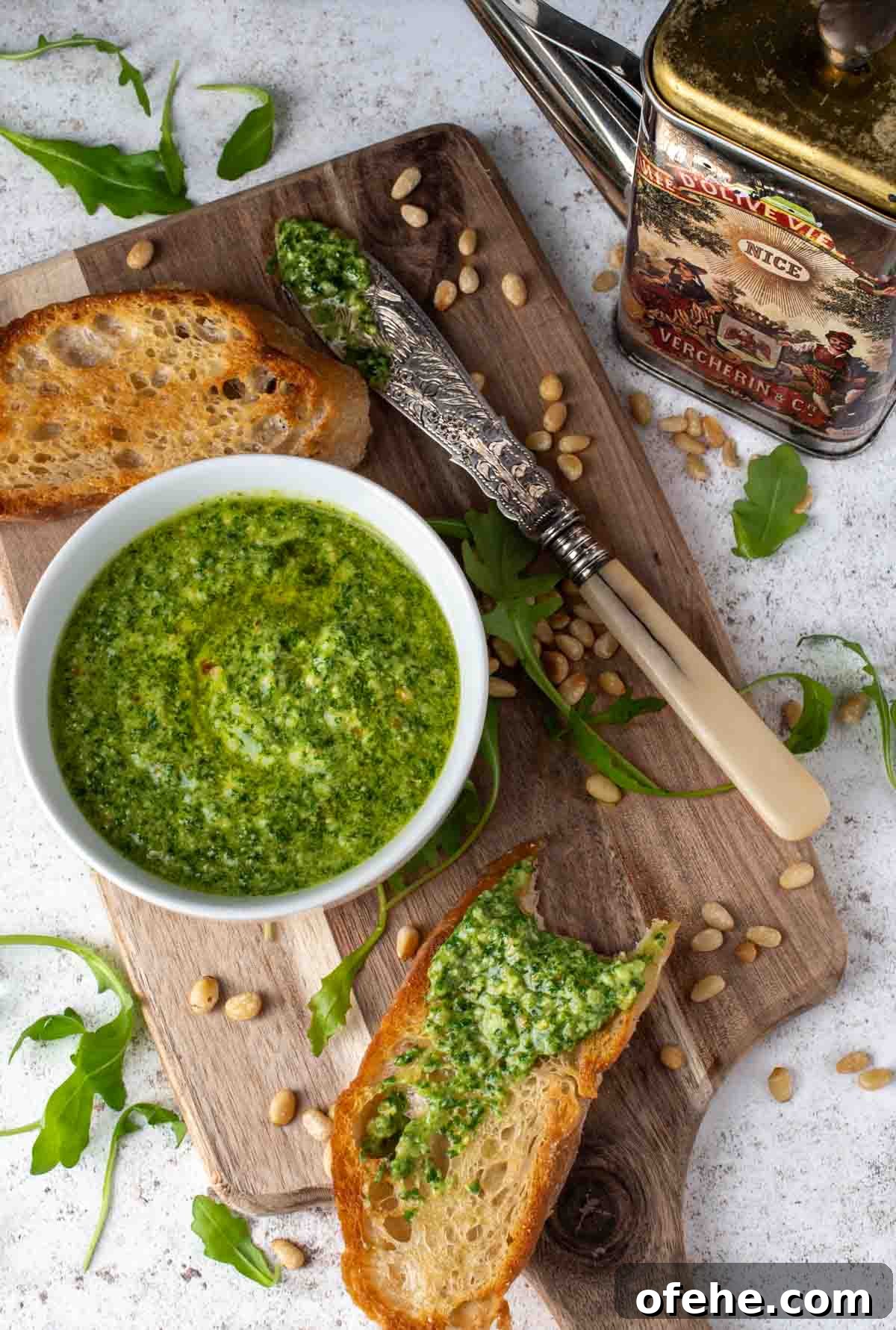
With pasta – Toss with spaghetti, penne, gnocchi, ravioli or tortellini; loosen with pasta water.
On bread – Spread on toast, bruschetta, crostini, grilled cheese, sandwiches or wraps.
With vegetables – Spoon over roasted potatoes, sweet potatoes, zucchini, peppers, eggplant or mixed grilled vegetables.
With meat and fish – Serve with grilled chicken, steak, fish, shrimp or roast poultry.
As a dip or dressing – Stir into mayonnaise, yogurt, hummus or salad dressing, or serve as a dip with crackers and crudités.
For pizzas and tarts – Use as a base on pizza, savory tarts or puff pastry toppings.
Troubleshooting arugula pesto
My arugula pesto tastes bitter
Arugula is naturally peppery. Soften the bitterness by adding a little more lemon juice, Parmesan, sugar or olive oil.
My pesto is too thick
Add olive oil one tablespoon at a time. For pasta, loosen with reserved pasta water.
My pesto is too oily
Stir in more arugula, additional grated cheese or extra nuts to thicken and rebalance the texture.
My pesto turned dark
Leafy green pestos can darken with time. Store in an airtight container and pour a thin layer of olive oil on top to slow oxidation.
My pesto tastes too garlicky
Balance the flavour with more arugula, cheese, nuts or lemon juice. Next time, reduce to one garlic clove.
Storage
Keep arugula pesto in a clean airtight container in the refrigerator for up to 3 days. Smooth the surface and add a thin layer of olive oil before sealing to preserve colour.
Freeze pesto for up to 6 months. Portion into small jars or an ice cube tray, freeze, then transfer cubes to a freezer bag so you can defrost just what you need.
FAQ
Yes. Use a large mortar and pestle for a more rustic texture—results are excellent.
Yes. Add basil, parsley, cilantro or oregano, or blend some arugula with spinach for a milder pesto.
Yes. Freeze in small portions or ice cube trays for up to 6 months and defrost only what you need.
More homemade sauces and dips
Try this arugula pesto as a direct swap for basil pesto in pasta and ricotta dishes, spread on toast or spooned over grilled chicken and roasted vegetables. It also pairs well with other quick sauces and dips you might enjoy making at home.
Recipe
Arugula Pesto Recipe (Rocket Pesto)
Saved!
Equipment
-
Food processor or mortar and pestle
Ingredients
- 30 grams pine nuts – lightly toasted
- 50 grams arugula (rocket)
- 30 grams parmesan – grated
- 2 cloves garlic – roughly chopped
- 1 tablespoon lemon juice
- ½ teaspoon sugar
- ¼ teaspoon salt
- 100 millilitre olive oil
Instructions
-
Toast the pine nuts in a dry pan over medium heat for a few minutes, until lightly golden and fragrant. Let them cool slightly.30 grams pine nuts
-
Add the arugula, toasted pine nuts, Parmesan, garlic, lemon juice, sugar, salt and olive oil to a food processor.50 grams arugula (rocket), 30 grams parmesan, 2 cloves garlic, 1 tablespoon lemon juice, ½ teaspoon sugar, ¼ teaspoon salt, 100 millilitre olive oil
-
Pulse until the pesto reaches your preferred texture, scraping down the sides at least once. Don’t over-blend; a little texture is lovely.
-
Taste and adjust. Add more lemon for brightness, more Parmesan for savouriness, more salt if needed or extra olive oil for a looser sauce.
-
Transfer to a bowl or jar and use as needed.
Notes
- Toasting the pine nuts adds extra flavour, but the pesto works without toasting.
- For pasta, loosen with a splash of reserved pasta water instead of adding lots more oil.
- Store in the fridge for up to 3 days, or freeze in small portions for up to 6 months.
Nutritional data disclaimer
Nutritional information is calculated by a third party and may vary based on brands and ingredients used. Use it as a guide only and consult a qualified professional for personalised dietary advice.
Nutrition
For food safety advice, including guidance on food allergies, consult your local food safety authority.