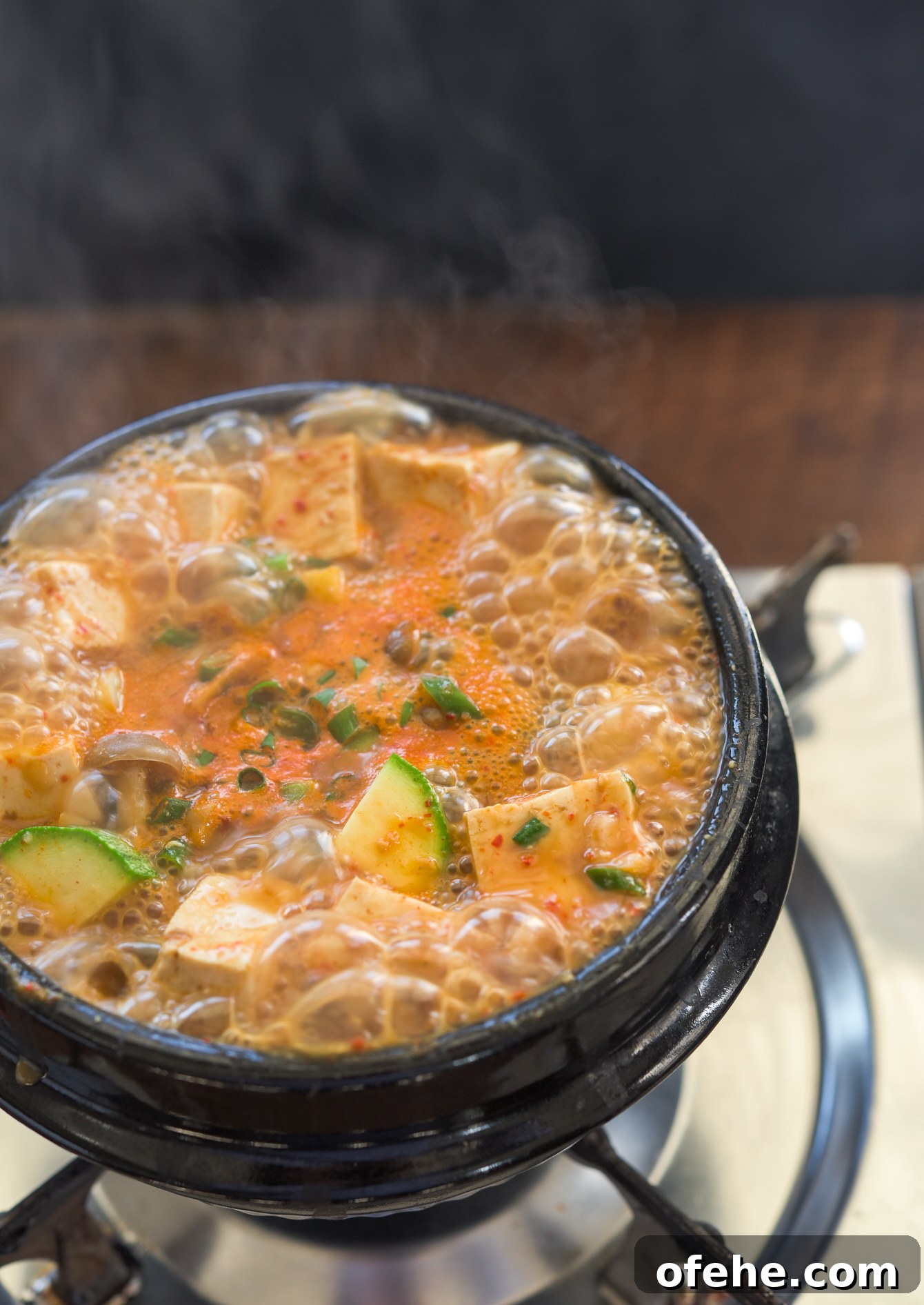
This authentic Doenjang Jjigae is the quintessential Korean comfort stew. Made with fermented soybean paste and a rice-water (ssaltteumul) base, it develops a silky, deeply savory umami character that plain water can’t achieve. High in protein and packed with silken tofu and fresh vegetables, this version comes together in about 20 minutes and remains true to home-style Korean cooking.
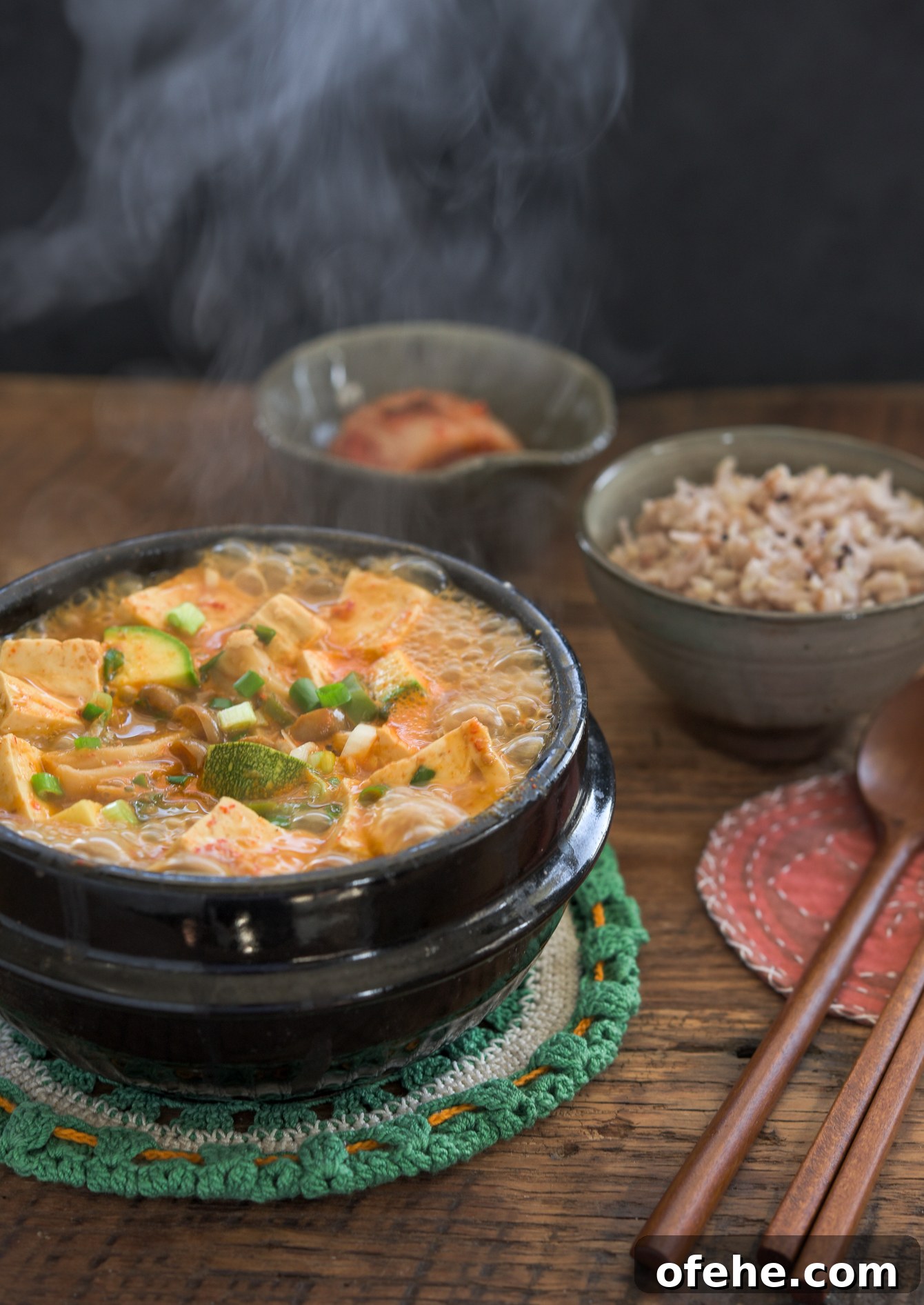
In many Korean homes, the clink of a spoon against a bubbling stone pot signals that dinner is ready. Doenjang Jjigae (된장찌개) was the steady, comforting presence at my family table: a modest stew built on doenjang, tofu, and seasonal vegetables.
Over the years I’ve refined the balance between the fermented paste’s earthiness and the brighter sweetness of the vegetables. A common mistake in quick recipes is a flat, one-dimensional broth. My mother’s key tip—using ssaltteumul, the milky rinse water from rice—gives the broth a rounded, velvety mouthfeel that elevates the whole stew.
This recipe reflects years of home cooking and testing. It’s reliable, nourishing, and authentically Korean.

The Secret to a Deep Umami Broth
Use a strong foundation rather than plain water to achieve restaurant-quality depth at home.
Rice Water (Ssaltteumul): The milky water from rinsing rice serves as the broth base and creates a silky texture that helps the paste meld into the liquid.
Anchovy and Kelp Base: Gently simmer dried anchovies and kombu (dashima) for a short time to add seafood umami. If you prefer a vegan broth, substitute dried shiitake mushrooms and kelp—the doenjang itself provides plenty of savory depth.
- Make it Vegan: Replace anchovy stock with a shiitake-and-kelp infusion for a fully plant-based stew that still delivers rich flavor.
Key Ingredients for Doenjang Jjigae
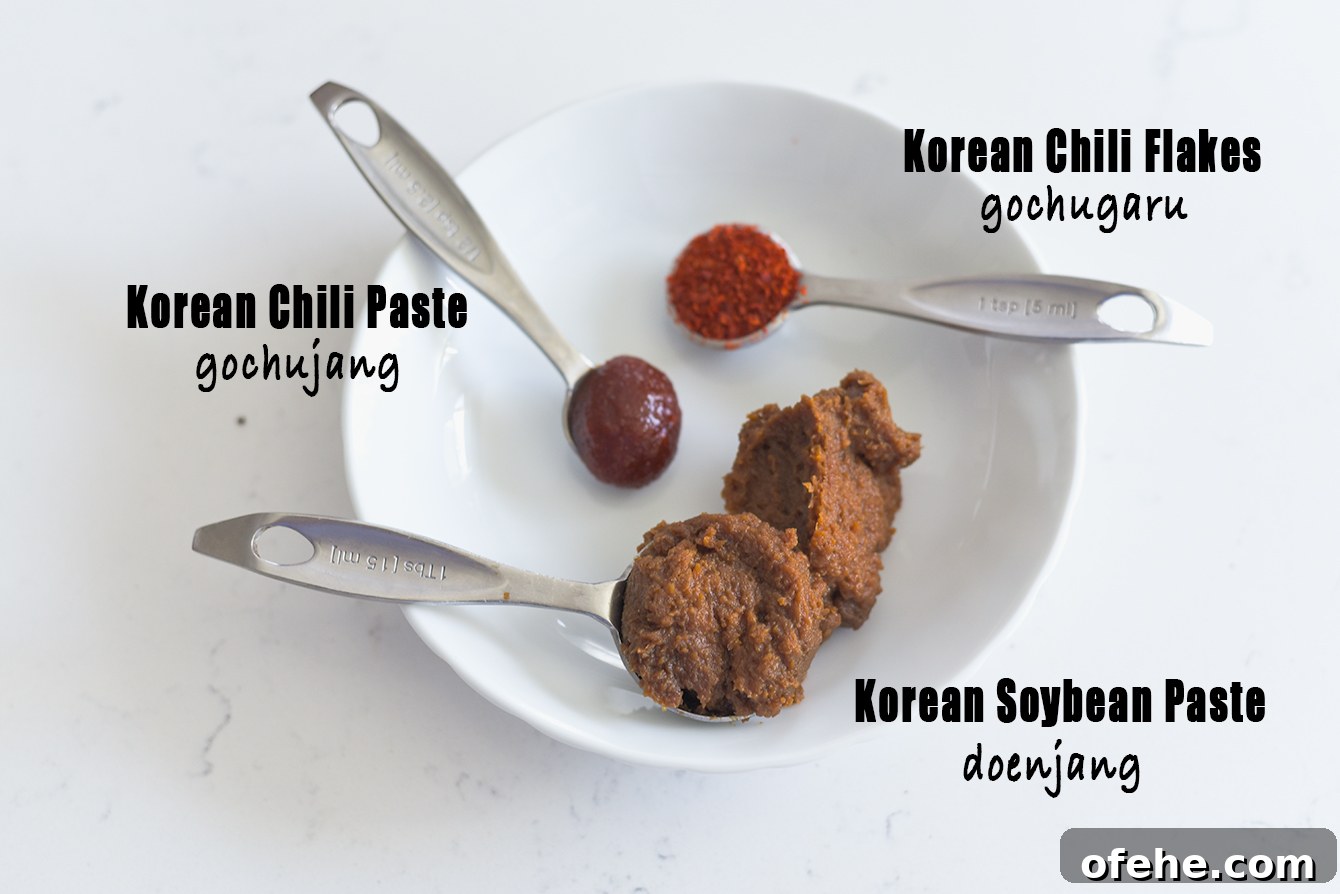
Doenjang (된장): This fermented soybean paste is the heart of the dish. Choose a paste with a simple ingredient list and a golden-brown, nutty aroma. If the paste smells overly sour or is very dark, the stew’s flavor can skew off.
Gochujang and Gochugaru for Balance: A small spoonful of gochujang rounds out the broth, while a pinch of gochugaru introduces a gentle heat. These additions enhance the doenjang without overwhelming it.

Hyegyoung’s Tip: Use Ssaltteumul (쌀뜨물, Rice Water)
I never discard the water from rinsing rice. On the second or third rinse, when the water turns milky, collect it. The starches act like a natural emulsifier, helping the fermented paste bind with the broth for a fuller, smoother flavor.
- Rinse and discard the first round to remove dust.
- On the second or third rinse, swirl the grains and save the milky water—this is your ssaltteumul.
Featured Review
“I love this stew and it is a favourite among my friends too! I’ve been using your recipe for years now. This is where I first found out about using rice starch water and it has really made a difference.”
Maja
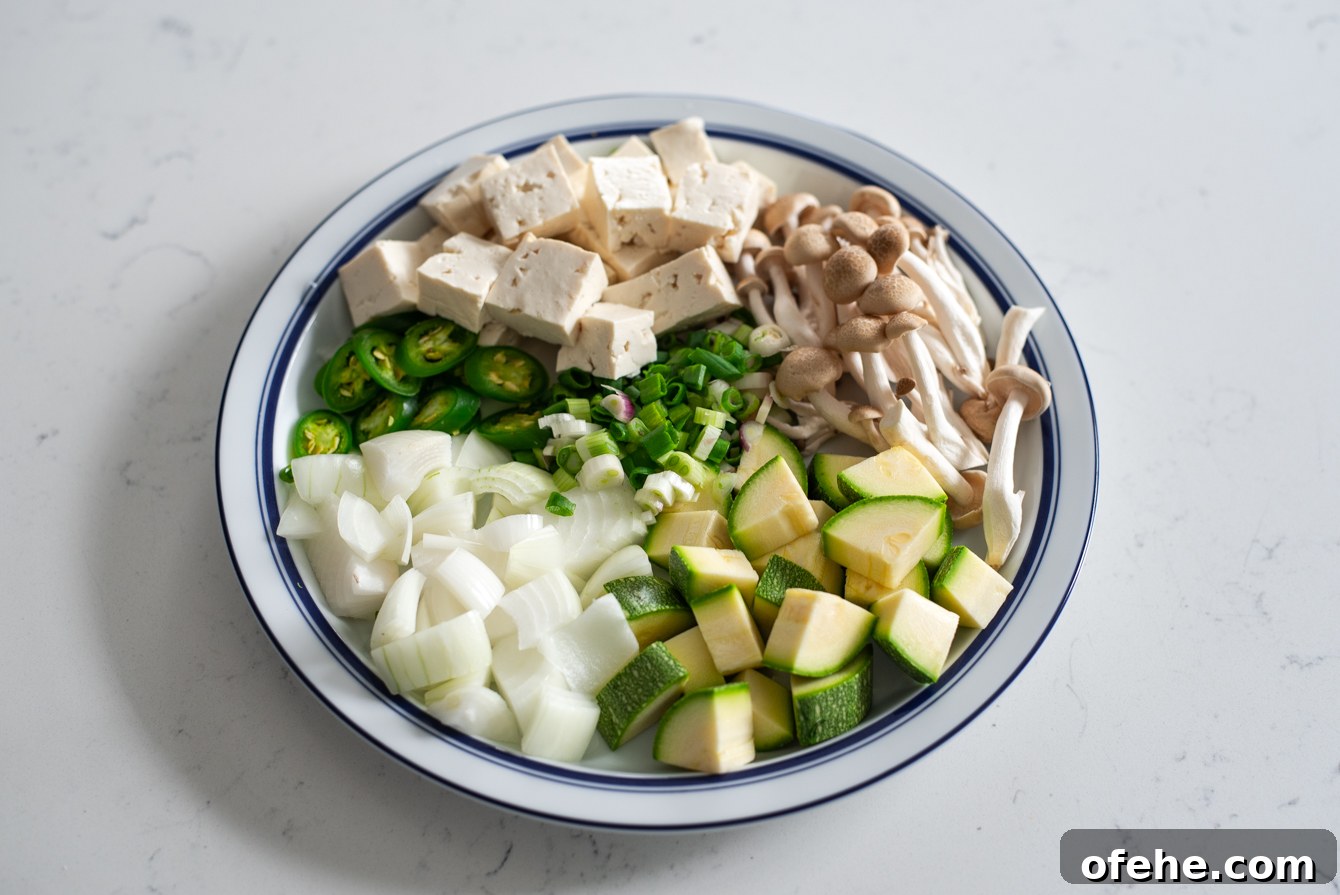
Vegetables and Tofu: Layer ingredients thoughtfully. Start with onions so they soften and flavor the broth. Add zucchini, tofu, and mushrooms partway through cooking so they stay tender yet maintain their shape.
Note on Ttukbaegi (Korean Stone Pot): A ttukbaegi keeps the stew hot and bubbling at the table and adds an authentic presentation. It’s optional, but it recreates that nostalgic sizzle many associate with Korean home cooking.
How to Make Authentic Doenjang Jjigae

To avoid clumps, dissolve the doenjang and gochujang by passing them through a small mesh strainer or stirring them thoroughly into the hot rice water. This creates an even, smooth broth.
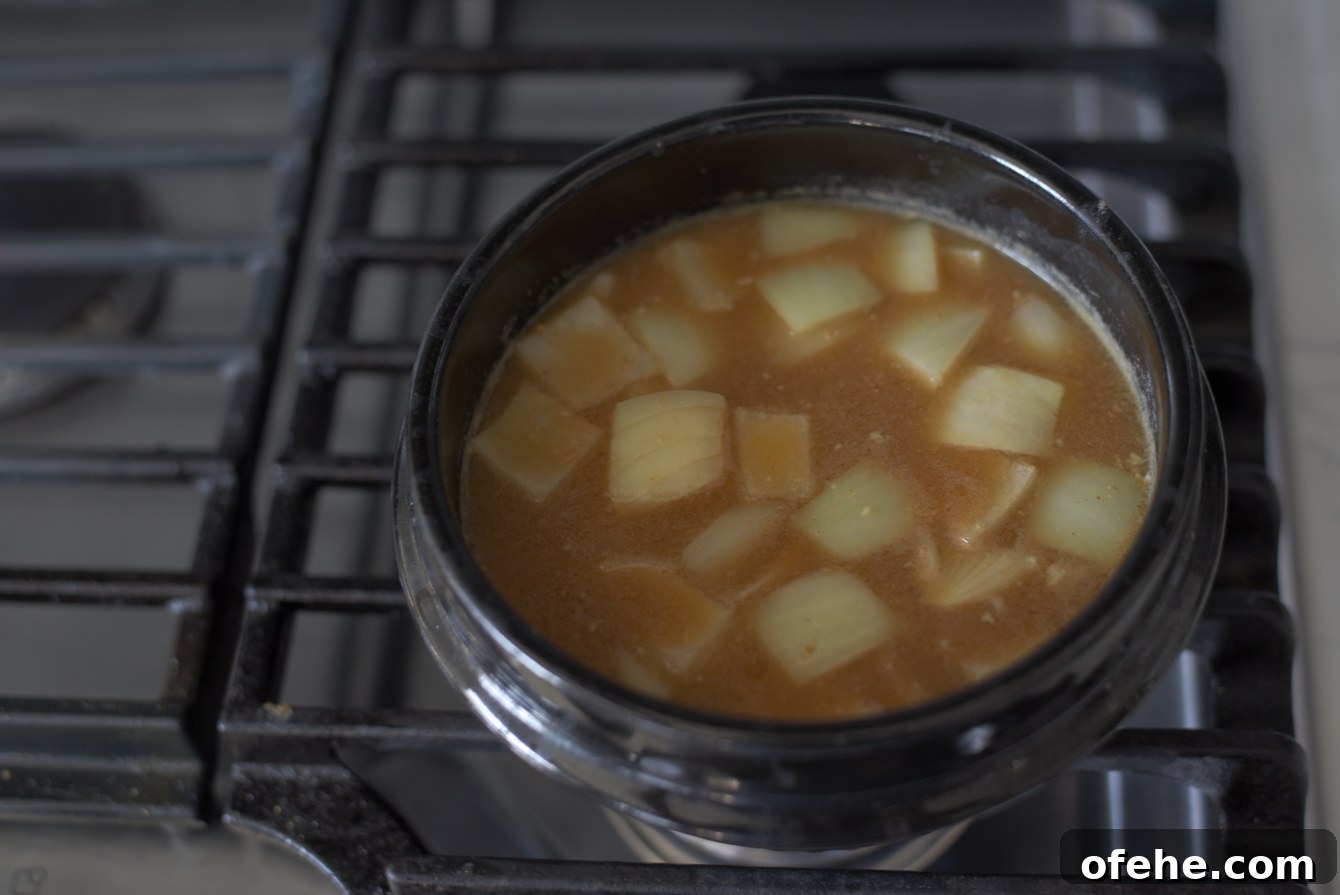
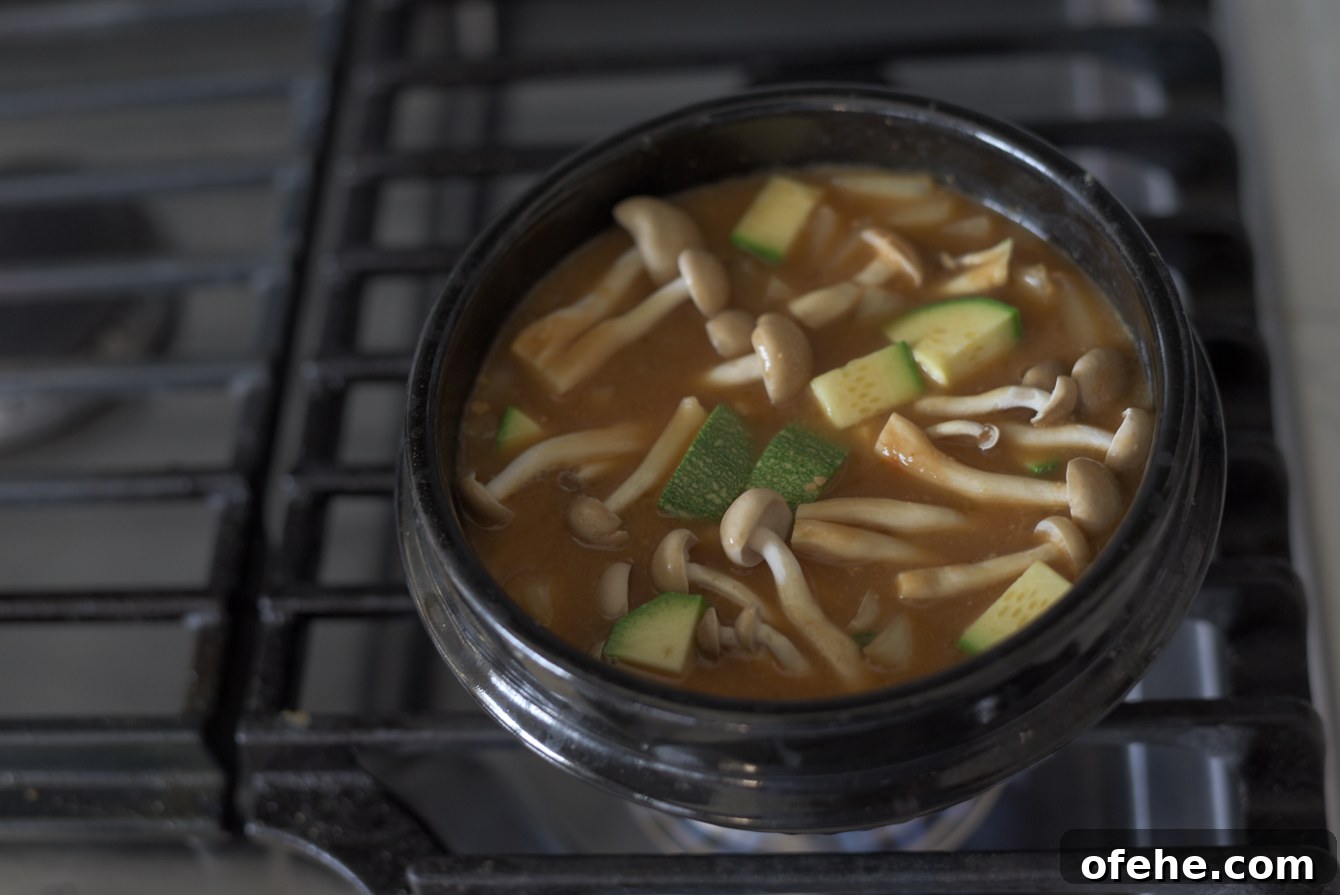
Add the onions first and bring the broth to a gentle boil. When it begins to bubble, add zucchini, tofu, and mushrooms and reduce to a simmer so they soften without breaking apart. The broth should develop a deep ochre color and taste a touch saltier than you expect; the tofu and vegetables will balance it.

Near the end of cooking, stir in garlic, a pinch of gochugaru, and sliced fresh chili for brightness and heat. Simmer just long enough for the aromatics to bloom. If you’re using a stone pot, turn off the heat a minute early—the retained heat in the pot will finish the cooking while keeping the stew lively at the table.
What to Serve with Soybean Paste Stew
Doenjang Jjigae is an ideal companion to grilled or fatty meats because its savory, bright broth cuts through richness. Serve it alongside steamed rice and banchan for a balanced meal. It also pairs well with Korean BBQ, where a bubbling pot of stew sits beside the grill.
If you prefer a lighter stew with a spicy kick, try a silken sundubu jjigae with seafood or explore other traditional Korean stews to broaden your repertoire.
This recipe was first shared in 2011 and has been updated with clearer instructions and tips. If you make it, consider leaving a rating or comment to share how it turned out in your kitchen.
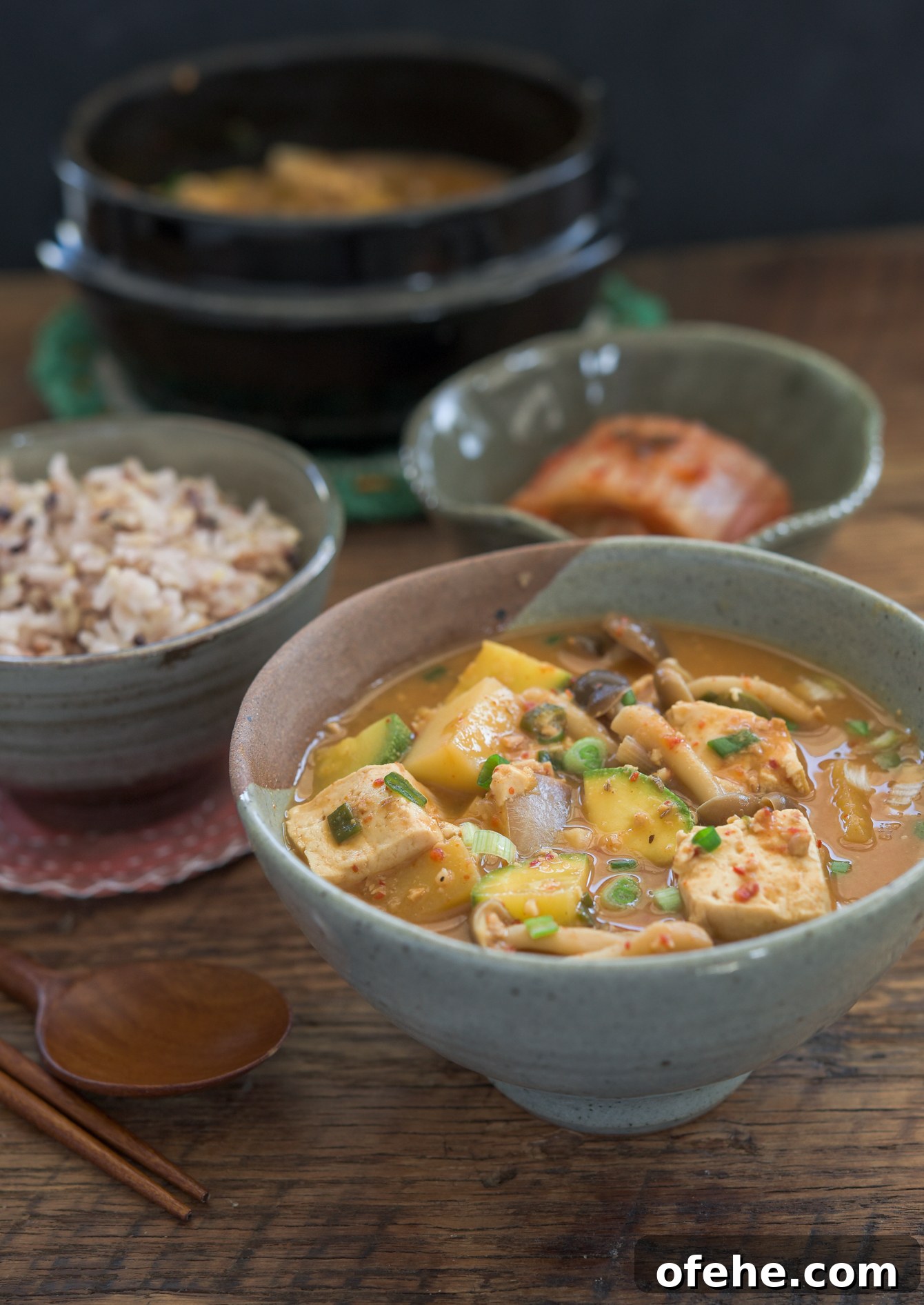
Doenjang Jjigae (Rich Korean Soybean Stew)
Ingredients
For Anchovy Stock
- 2 cups (480 ml) rice water
- 5 large dried anchovies, deveined
- 1 piece dried kelp (dashima)
For Stew
- 2 heaping tbsp (30 g) Korean soybean paste (doenjang)
- 1 tsp (5 g) gochujang (Korean chili paste)
- 1/2 small onion (about 50 g), chopped
- 1 small zucchini (about 120 g), diced
- 4 oz (115 g) soft tofu, diced
- 2 oz (56 g) mushrooms, optional
- 1 clove garlic, finely minced
- 1 tsp (3 g) gochugaru (Korean chili flakes), optional
- 1 fresh chili, sliced
- 1 green onion, finely chopped
Equipment
- 1 qt (1 liter) stone pot or regular soup pot
- Small mesh strainer or mini scoop strainer
Instructions
- To make the anchovy stock, combine rice water, dried anchovies, and kelp in a pot and bring to a boil. Reduce heat and simmer 3–4 minutes. Remove anchovies and kelp.
- Dissolve the doenjang and gochujang into the hot stock using a small strainer or by stirring thoroughly. Add the chopped onion and bring to a gentle boil over medium heat.
- When the broth bubbles, add zucchini, tofu, and mushrooms. Reduce to medium-low and simmer 2–3 minutes so the vegetables soften but keep their shape.
- Near the end, stir in garlic, gochugaru, and sliced fresh chili. Turn off the heat and top with chopped green onion before serving.