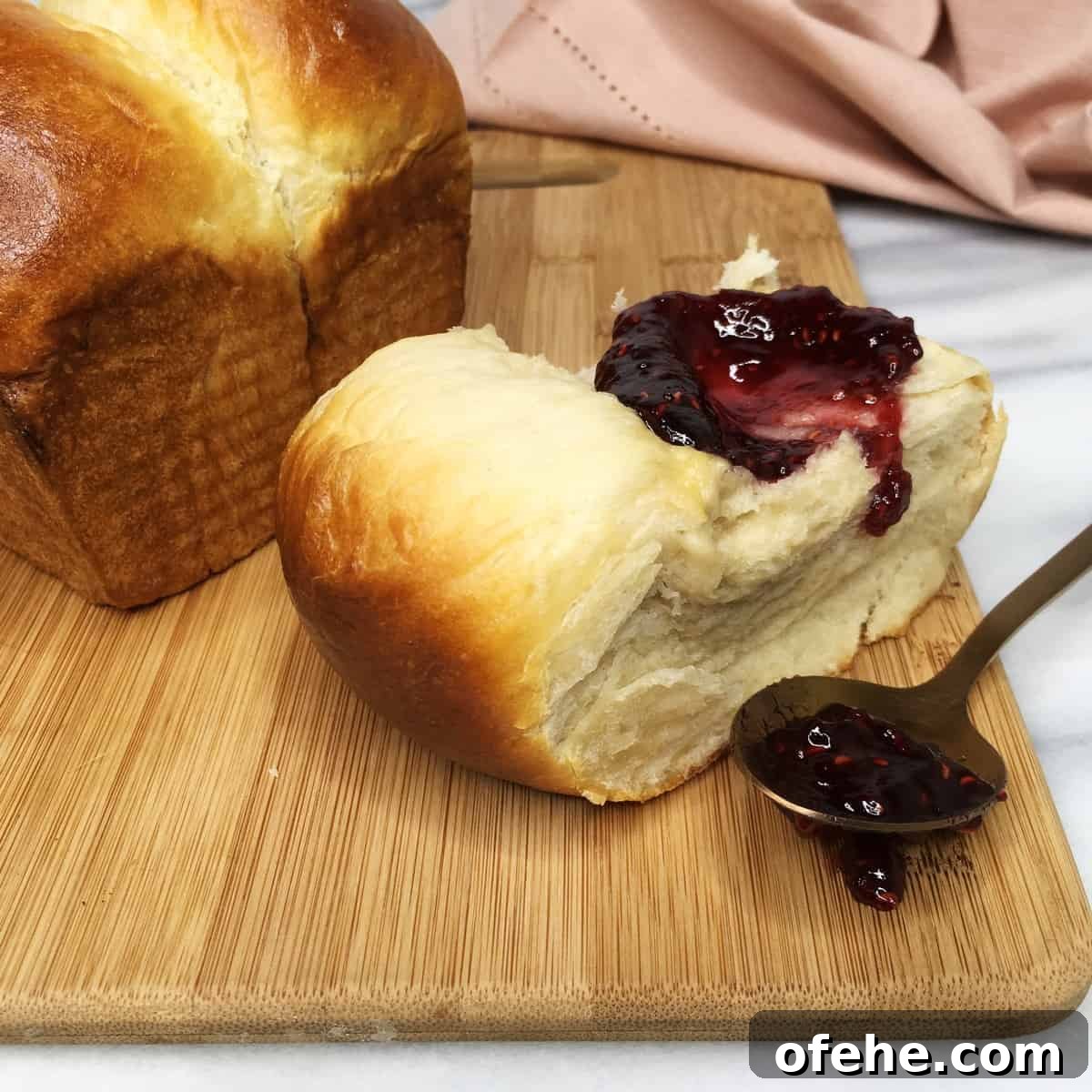
Welcome this quick French brioche recipe and learn how to make a tender, ultra-soft brioche without butter. Light, pillowy, and fragrant, this loaf makes a delicious breakfast alongside a cup of coffee or tea. The straightforward method makes it ideal for home bakers—simple, reliable, and a keeper.
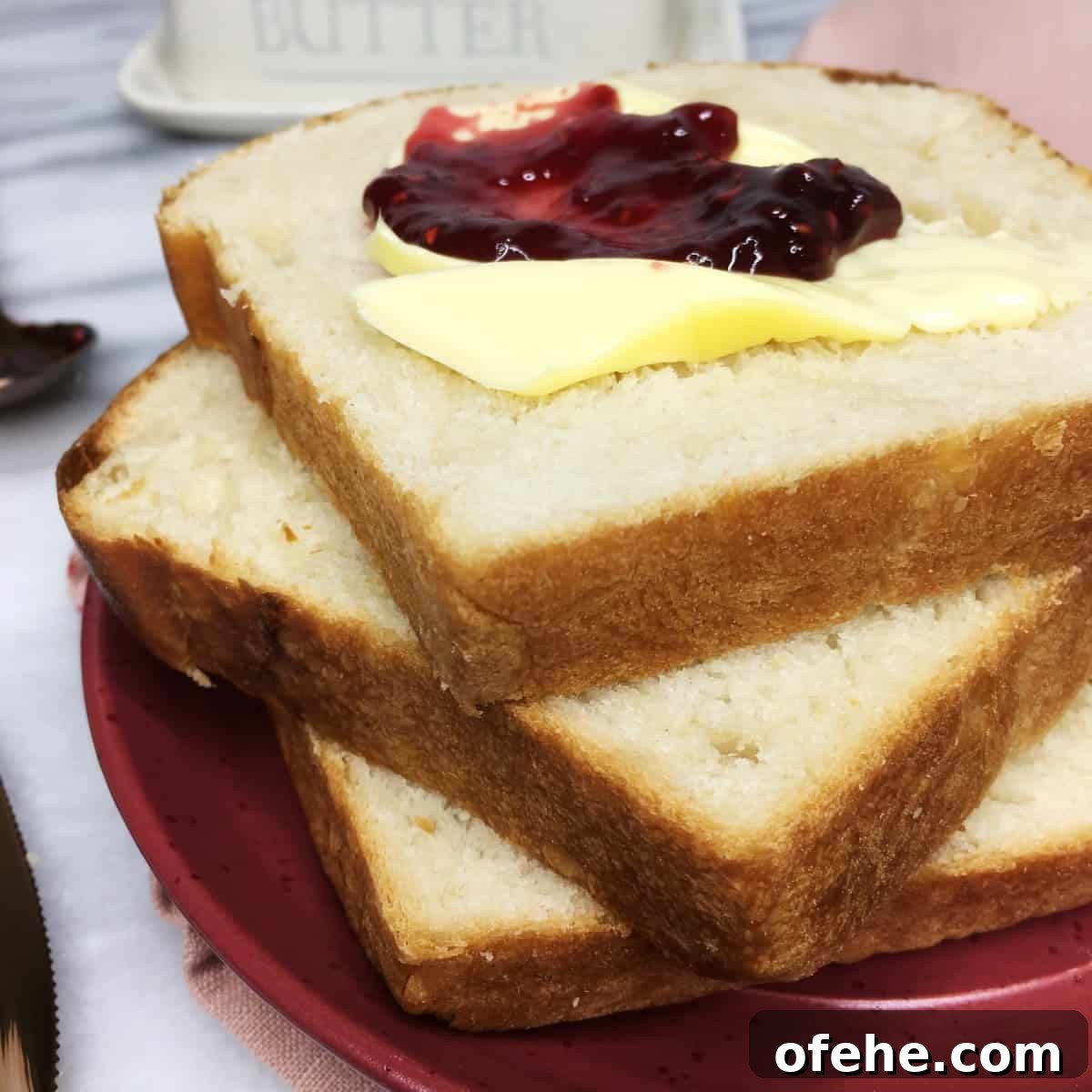
This French brioche loaf was my first full brioche project after trying a few small yeast-based bakes. From the moment the dough came together I was hooked. As the loaf baked, its buttery aroma filled my kitchen—my little “Petit Paris”—and I watched it rise and brown through the oven window until it reached a perfect golden finish. The crumb was soft and pillowy, and the texture instantly became a favorite.
I have made this recipe several times. With each bake small improvements happen naturally, but the recipe is forgiving and yields excellent results even on a first try. If you follow the steps and tips, you should get a beautiful brioche on your first attempt.
What is brioche?
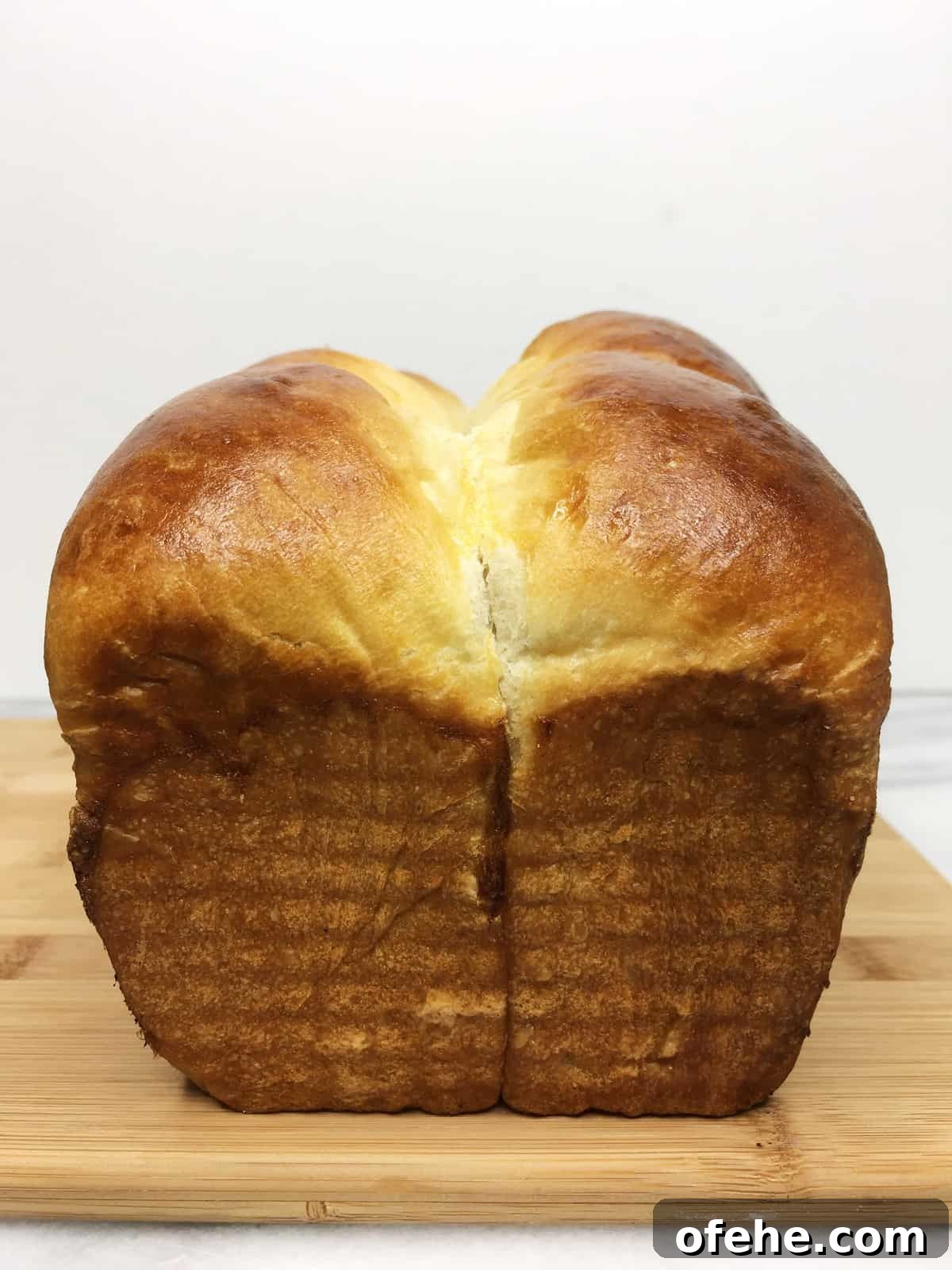
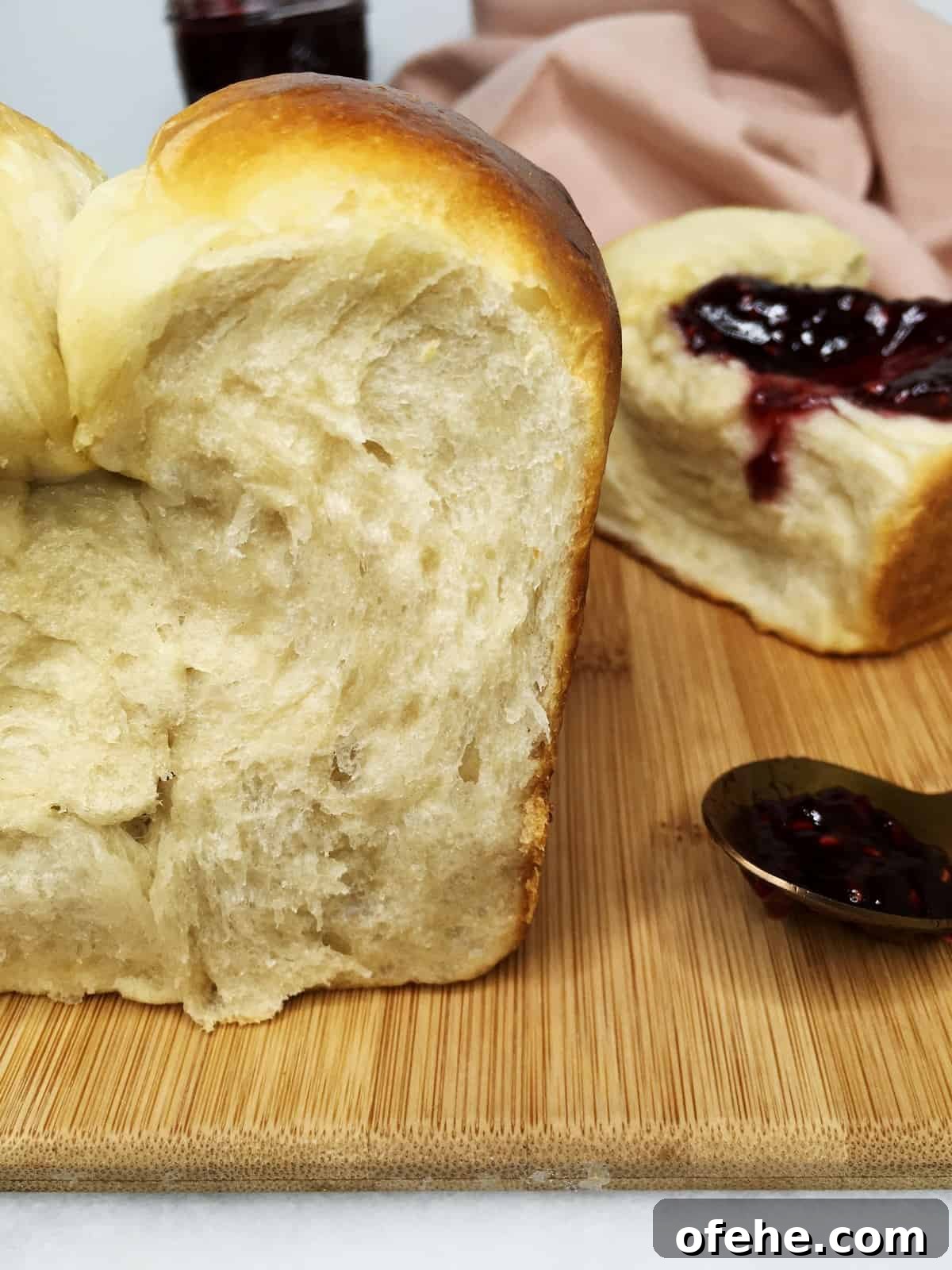
Brioche is a French enriched bread that combines bread and pastry characteristics thanks to a high proportion of eggs and fat. The result is a tender, slightly flaky crumb with a rich flavor. Brioche belongs to the viennoiserie family—leavened dough enriched with eggs, fat (often butter), milk, and sometimes sugar—bridging the gap between pastry and bread.
Origin of brioche
The term “brioche” appears in historical sources as far back as the early 1400s. While some historians point to Norman roots and others note similarities with Eastern European holiday breads, the brioche as we know it was refined and popularized in France, where the generous addition of butter and eggs became a defining trait.
Types of brioche
There are many shapes and styles of brioche:
- Brioche loaf—baked in a pan and ideal for slicing into toast.
- Brioche Nanterre—made by arranging rows of dough balls in a loaf pan so they fuse during proofing, creating a pretty pull-apart pattern.
- Brioche à tête—a classic round brioche with a small “head” on top, baked in individual molds.
Other variations include braided brioches, regional types like Vendée brioche, mousseline-style brioches, and enriched holiday breads across Europe. The tart tropézienne and many seasonal sweet breads are also based on or inspired by brioche dough.
Main tips for making brioche
Ingredient temperature
Many professional bakers recommend keeping ingredients cold when making enriched doughs. Cold ingredients help prevent the dough and any fat from overheating during mixing and kneading, which can affect texture.
Brioche pan
Brioche dough is rich and benefits from baking in a metal pan for even heat distribution and good oven spring. Avoid silicone molds for classic brioche shapes, as metal pans provide better crust and browning. Grease the pan with cooking spray or a light smear of butter and flour.
Kneading
A stand mixer with a dough hook makes handling enriched dough much easier. Start mixing at low speed to bring the dough together and develop structure, then increase speed to strengthen the gluten network. The finished dough should pull away from the bowl and be stretchable without tearing.
Respect resting times
Brioche typically involves three resting stages:
- Primary fermentation: Let the dough rise until doubled (this can take up to 24 hours depending on yeast and temperature). After this stage gently degas the dough.
- Chilling: Refrigerate the dough to firm up the butter and make shaping easier—often up to two hours depending on dough weight and fridge temperature.
- Proofing: Shape the dough, then allow it to rise until nearly doubled before glazing and baking. Test readiness by a gentle fingertip press: if the dough springs back slowly and leaves a slight indent, it’s ready; if it rebounds immediately it needs more time; if the imprint remains it may be over-proofed—bake promptly.
Shaping
Shaping determines the finished look. For a Nanterre style loaf divide the dough into equal balls and place them in a loaf pan. For brioche à tête weigh and shape a base and a smaller top “head” that sits on the base. Braided versions require rolling ropes and braiding before baking.
Browning and glazing
Brush brioche with an egg wash (whole egg or egg yolk mixed with a little water or milk) to achieve a glossy, golden crust. You can glaze once before final proofing to reduce crusting and again just before baking. A pastry brush (natural or traditional bristles) gives the best finish.
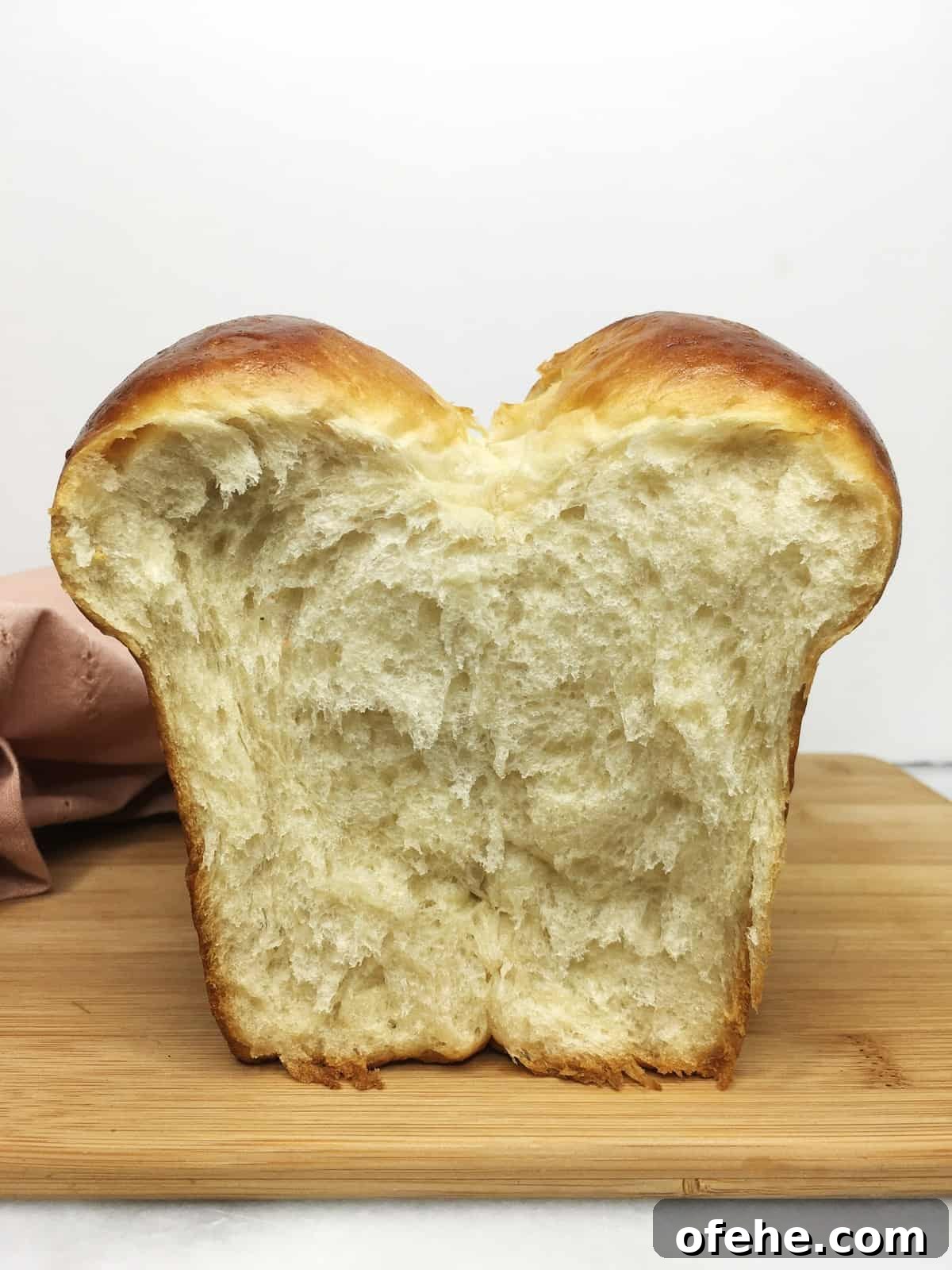
How to eat brioche
Brioche is best served warm, straight from the oven or slightly cooled. Pull it apart into rolls or slice it for toast. It is delightful with a light swipe of butter, jam, or preserves. Leftover slices make excellent French toast, and children often enjoy toasted brioche with chocolate spread.
Why you should try this recipe
- Easy and quick: This brioche is simpler than many traditional enriched dough recipes yet still delivers a soft, tender crumb.
- Versatile base: The dough works for other preparations such as sweet pizza or braided shapes.
- No butter required: This version uses grapeseed oil and milk for hydration, offering a lighter alternative while keeping the texture ultra-soft.
- Simple shaping: The loaf is made by forming equal dough balls and arranging them in a pan—an approachable technique for beginners.
Ingredients
For ingredients and detailed instructions, refer to the recipe card below.
Milk: Whole milk is recommended, but plant-based milks can be used. Milk provides hydration and flavor in this butter-free version.
Grapeseed oil: A neutral oil that adds moisture without overpowering the dough. You may substitute a neutral-flavored oil such as rapeseed.
Vanilla sugar: Adds a gentle vanilla note. Regular granulated sugar can be used if vanilla sugar is unavailable.
Flour: Use a good-quality all-purpose flour. A flour with slightly higher protein (around 11%) will provide better elasticity for enriched dough.
Sugar: Granulated sugar improves crumb moisture and encourages crust browning.
Salt: Enhances flavor and strengthens dough structure.
Instant dry yeast: This recipe uses instant dry yeast; you can substitute fresh baker’s yeast (about 20 g) if preferred.
How to make French brioche
Prepare the yeast: Dissolve the instant dry yeast in warm milk and let sit for about 10 minutes.
Mix the dough: In the bowl of a stand mixer combine flour, sugar, salt, and vanilla sugar. Add grapeseed oil and mix briefly at low speed. Gradually add the milk-yeast mixture. Knead with the dough hook until smooth—about 11 minutes total: 5 minutes at moderate speed, then 6 minutes at higher speed.
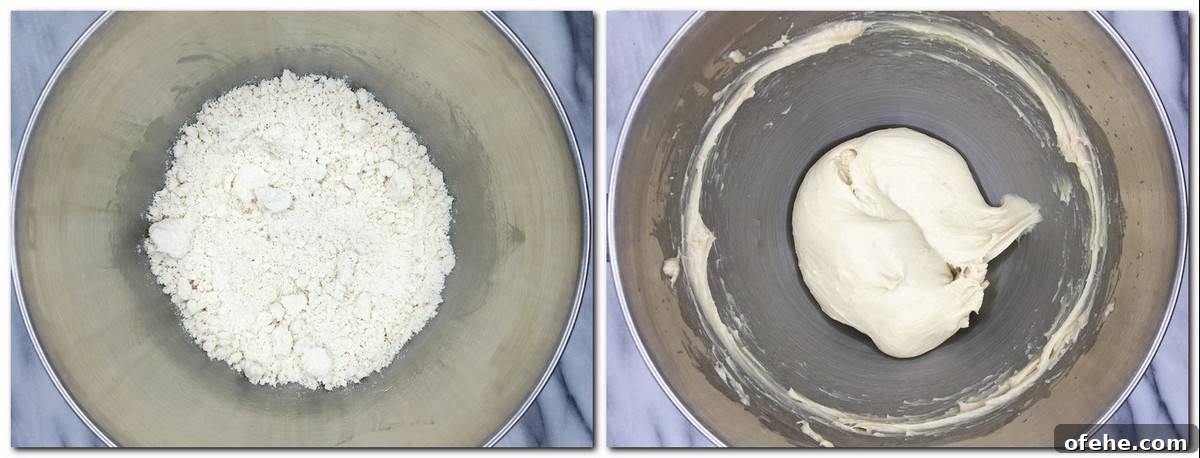
First rise: Transfer the dough to a lightly oiled bowl, cover with a cloth, and let it rise in a switched-off oven or warm, draft-free spot until doubled—about 1 to 1½ hours depending on temperature.
Shape: Divide the dough into six equal pieces and shape into smooth balls, using a little flour if needed. Grease a nonstick loaf pan and place the balls in the pan with small gaps so they can expand and fuse during the final proof.
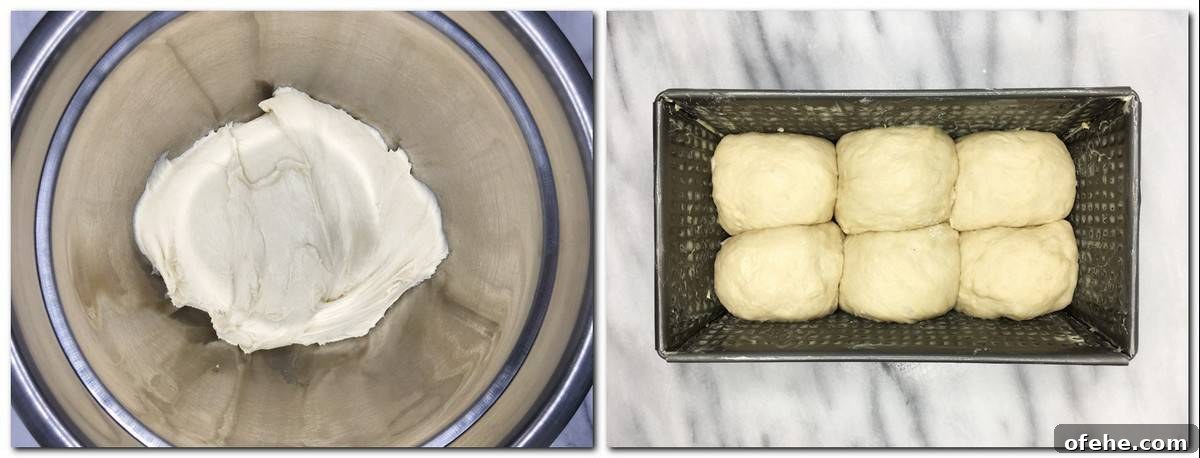
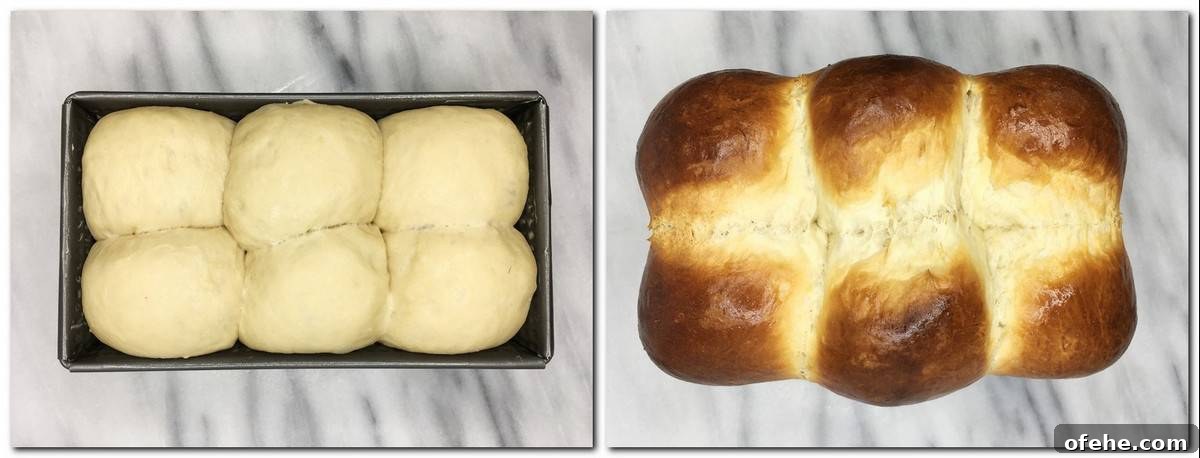
Final proof: Let the shaped dough rise at room temperature or in the switched-off oven until nearly doubled—about 20 minutes to 1 hour. Preheat the oven to 355°F (180°C).
Glaze and bake: Brush the loaf with beaten egg or milk for a glossy finish. Bake for about 25 minutes until golden and cooked through. Remove from the oven, allow to cool slightly in the pan, then turn out and cool completely before slicing.
Expert tips
- Follow the resting and chilling steps—chilling helps the dough firm up and makes shaping much easier.
- Substitute instant dry yeast with 0.7 oz (20 g) fresh baker’s yeast if preferred.
- For a shiny crust brush with egg; use milk for a softer, less glossy finish.
- Watch the bake closely—if the top browns too quickly, tent the loaf with foil to prevent over-browning.
Frequently asked questions
Enriched brioche dough is very sticky and elastic; a stand mixer makes kneading far easier and more consistent. Hand-kneading is possible but requires significantly more time and effort to develop the same structure.
You can freeze the dough after mixing. Thaw overnight in the refrigerator, then shape, proof, and bake as directed.
Store brioche wrapped in a kitchen towel or in a plastic bag at room temperature for up to three days.
Yes. Cool completely, wrap the whole loaf or individual slices tightly in plastic film, and freeze for up to three months. Thaw at room temperature for about an hour before serving.
Want more recipes and baking tips? Subscribe to the newsletter and follow for updates. If you try this recipe, please leave a rating and comment on the recipe card.
Recipe card
Quick French Brioche Recipe

Make a tender brioche loaf without butter using grapeseed oil and milk. Soft, golden, and delicious—great for breakfast or French toast.
- Author: Irina Totterman
- Total Time: 3 hours
- Yield: 6 buns
- Category: Bread and Brioche
- Method: Baking
- Cuisine: French
Ingredients
For the brioche dough:
- 1 cup + 3 ½ teaspoons (260 g) whole milk
- ⅓ cup (70 g) grapeseed oil
- 2 teaspoons (10 g) vanilla sugar
- 3 cups + 2 teaspoons (380 g) all-purpose flour
- 4 ½ tablespoons (60 g) granulated sugar
- ⅓ tablespoon (5 g) salt
- 2 ¼ teaspoons (7 g) instant dry yeast
For brushing:
- 1 tablespoon milk or 1 egg
Instructions
- Warm the milk slightly and dissolve the instant dry yeast. Let rest about 10 minutes.
- In the stand mixer bowl combine flour, sugar, salt, and vanilla sugar. Add grapeseed oil and mix briefly at low speed.
- Gradually add the milk-yeast mixture and knead with the dough hook until smooth—about 11 minutes total (5 minutes at medium speed, then 6 minutes at higher speed).
- Transfer dough to a lightly oiled bowl, cover, and let rise in a warm, draft-free place (or switched-off oven) until doubled—about 1 to 1½ hours.
- Divide dough into six equal pieces and shape into smooth balls. Grease a nonstick bread pan and arrange the balls in the pan.
- Proof at room temperature or in the switched-off oven until nearly doubled—about 20 minutes to 1 hour. Preheat oven to 355°F (180°C).
- Brush with beaten egg or milk and bake for about 25 minutes until golden. Cool slightly in the pan, then remove and cool completely before slicing.
Notes
- Read the main tips above for best results.
- To use fresh yeast, substitute 20 g fresh baker’s yeast for the instant dry yeast.
- Egg wash yields a shinier crust; milk gives a softer finish.
- If the top browns too quickly, tent the loaf with foil during the last minutes of baking.
Nutrition
- Serving Size: 1 bun
- Calories: 396
- Sugar: 12.1 g
- Sodium: 240 mg
- Fat: 13.7 g
- Saturated Fat: 2 g
- Carbohydrates: 60 g
- Fiber: 1.7 g
- Protein: 7.9 g
- Cholesterol: 4 mg
The nutritional information is intended as a general guideline and was calculated with an online recipe nutrition tool.
This recipe was adapted from published versions by professional bakers and has been updated with improved content and photos. All images shown are the author’s.