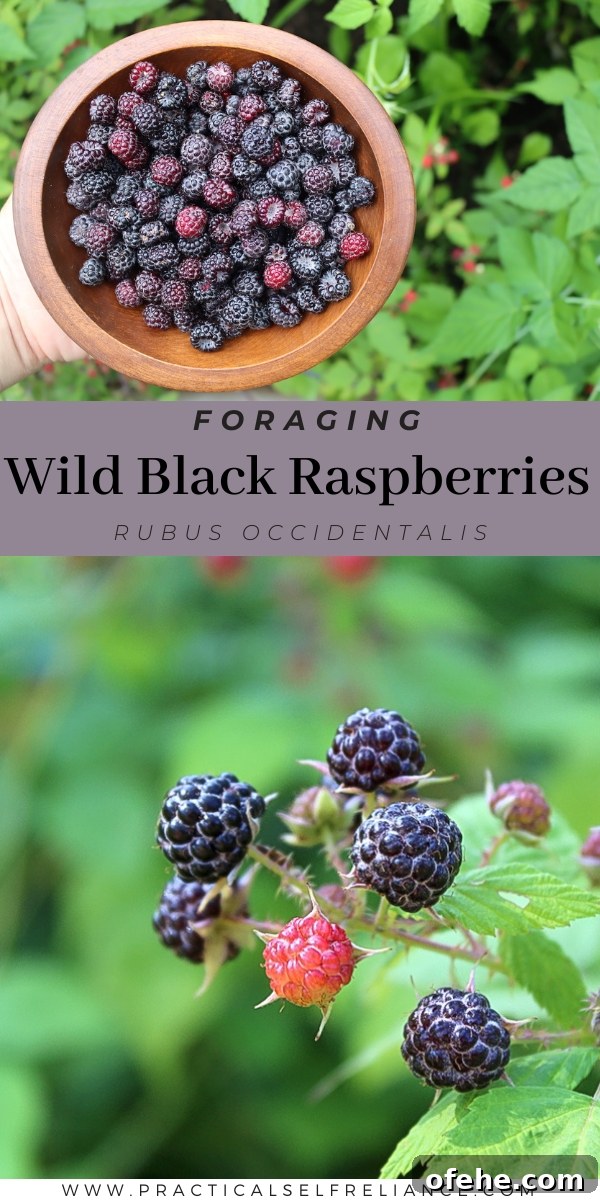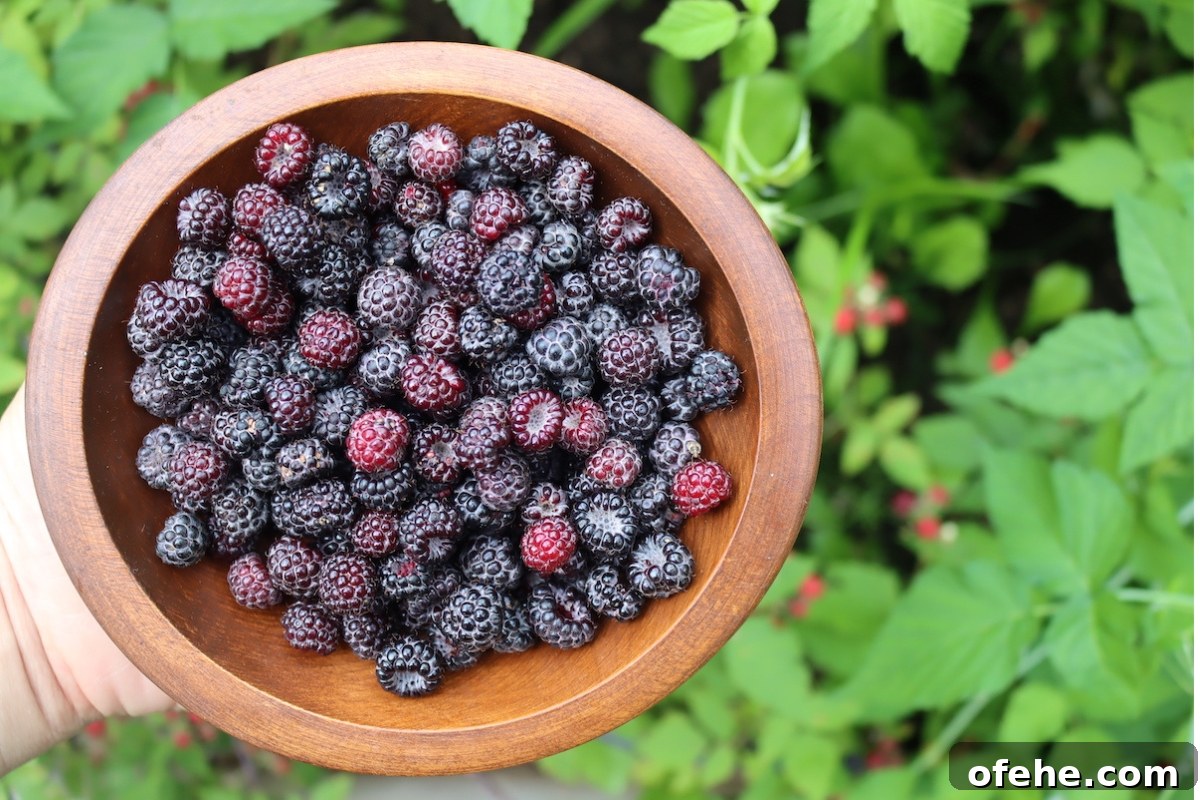
Wild black raspberries are one of summer’s most delicious wild fruits. Known as blackcaps in some areas, they’re easy to recognize and well worth seeking out.
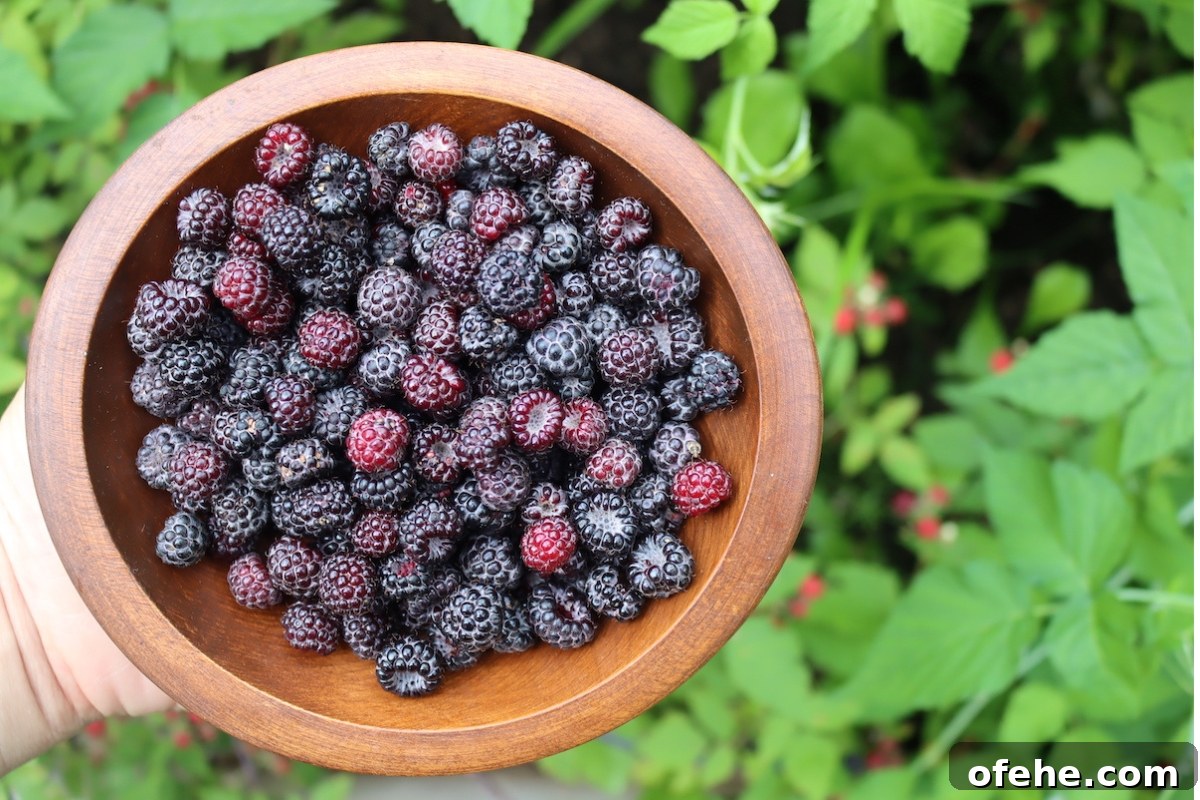
You can buy blackberries or red raspberries in most grocery stores, but true black raspberries are rarely available commercially. They’re difficult to grow on a large scale and are most often found wild or in small backyard plantings.
Unlike red raspberries that fruit on long single canes, black raspberries produce branching canes that don’t lend themselves to neat rows. That growth habit makes them ideal for the margins of woods, hedgerows, and other semi-wild places rather than large-scale farms.
Because they remain largely wild, black raspberries have a special, untamed charm: they’re something to be foraged rather than bought in bulk.
What are Black Raspberries?
Black raspberry (Rubus occidentalis) is a perennial, deciduous shrub in the Rubus genus. Common names include blackcap, blackcap raspberry, bear’s eye blackberry, and Scotch cap. Native to eastern North America, it is now grown in other regions and sometimes cultivated on a small scale.
Is Black Raspberry Edible?
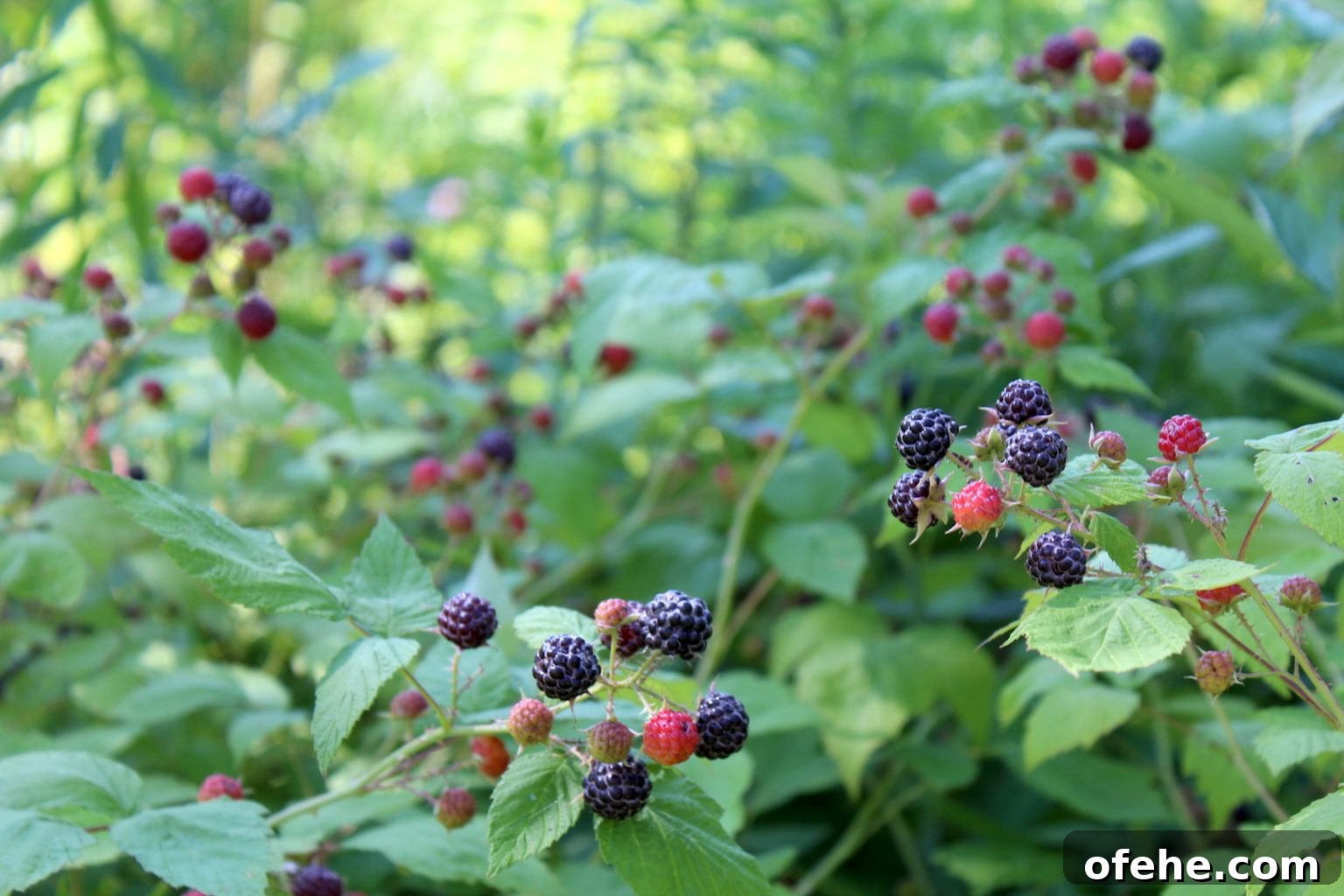
Yes. Black raspberries are an edible and prized wild food. The dark, sweet berries are delicious fresh or cooked, and the leaves make a pleasant, medicinal tea. Herbalists also use the berries, leaves, and roots in various preparations. The plant is generally considered safe; just avoid picking near roads where pollution may contaminate the fruit.
Black Raspberry Medicinal Benefits
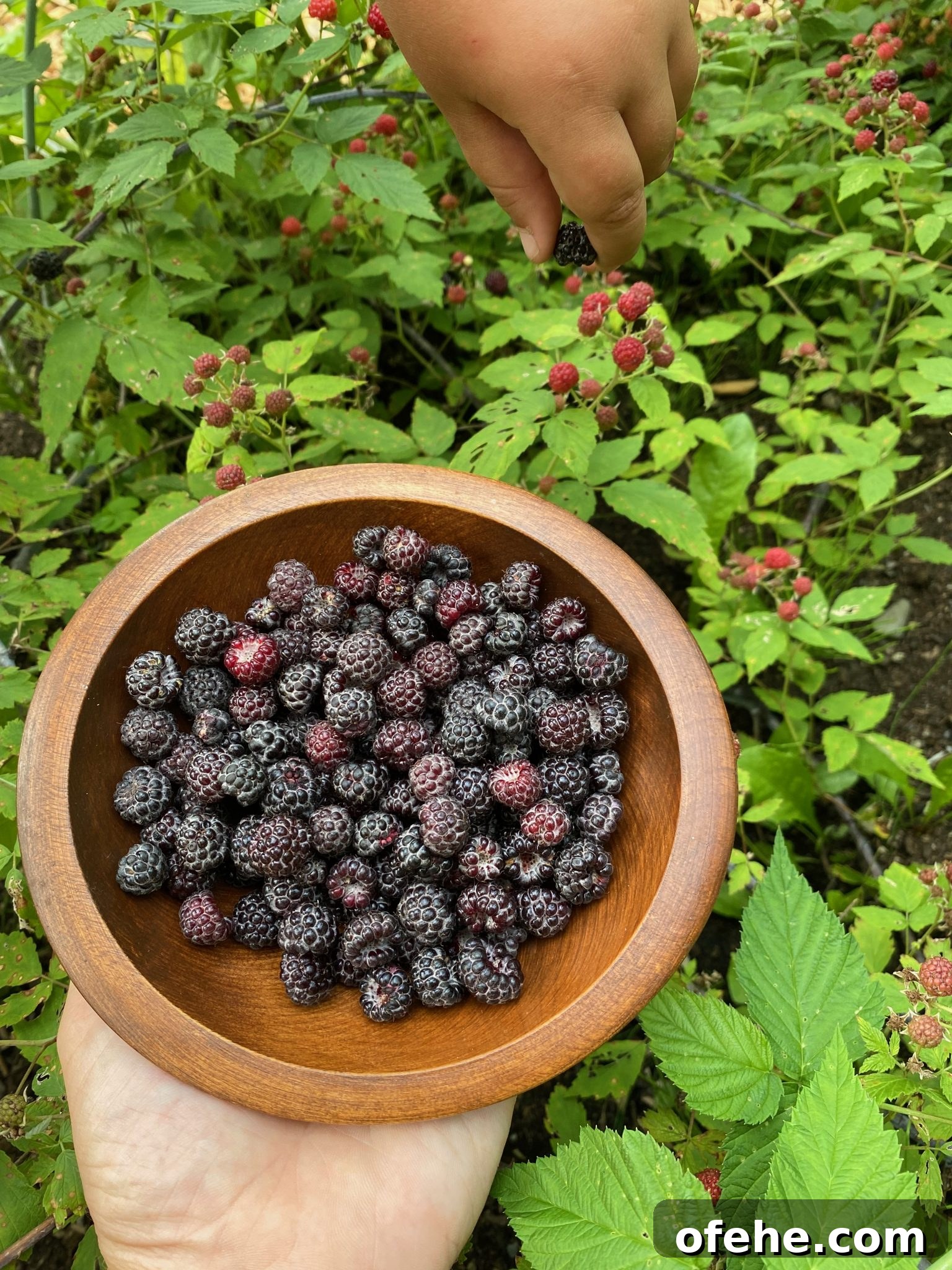
Black raspberries are nutrient-dense, rich in antioxidants, and contain vitamins A, B, C, and E, along with minerals and volatile oils. Traditional and modern herbalists value the berries, leaves, and roots for their potential diuretic, cleansing, and mild laxative effects.
Scientific research has explored black raspberry extracts for potential health benefits, including studies on cancer prevention and effects on digestive and vascular health. The leaves are also widely used for medicinal teas and infusions; they contain vitamins and minerals such as iron, manganese, magnesium, and selenium, plus compounds like tannins and flavonoids. Herbalists use leaf tea for diarrhea, menstrual discomfort, sore throats, and stomach pain, and sometimes in pregnancy support. Roots, being strongly astringent, have been used in preparations for diarrhea and other ailments, while leaf infusions serve for external washes and poultices.
Where to Find Black Raspberry
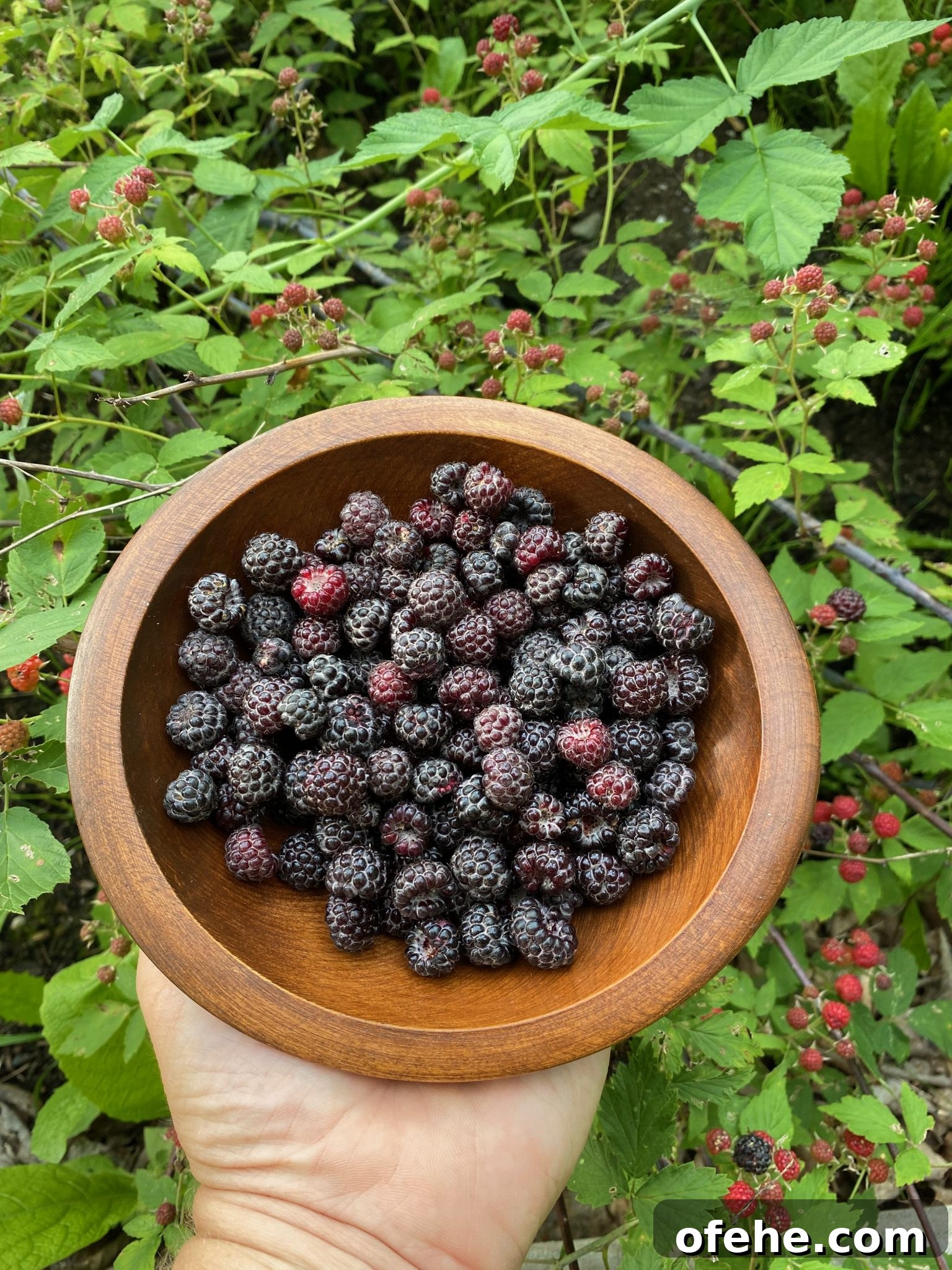
Black raspberry is native to eastern North America, from Quebec and New Brunswick south to Mississippi and west to Nebraska. It appears as an early successional species and commonly colonizes disturbed areas such as logged land, meadow edges, streambanks, trails, railroads, and lake shores.
The plant grows best in full sun to partial shade and tolerates a range of soils—clay, loam, or sandy loam—so long as the ground is moist and well drained. It prefers slightly acidic conditions.
When to Find Black Raspberry
Black raspberries are deciduous perennials. The canes remain after leaves drop in fall and leaf out again in spring. They typically bloom in late spring to early summer, flowering for two to three weeks, and fruiting follows shortly after.
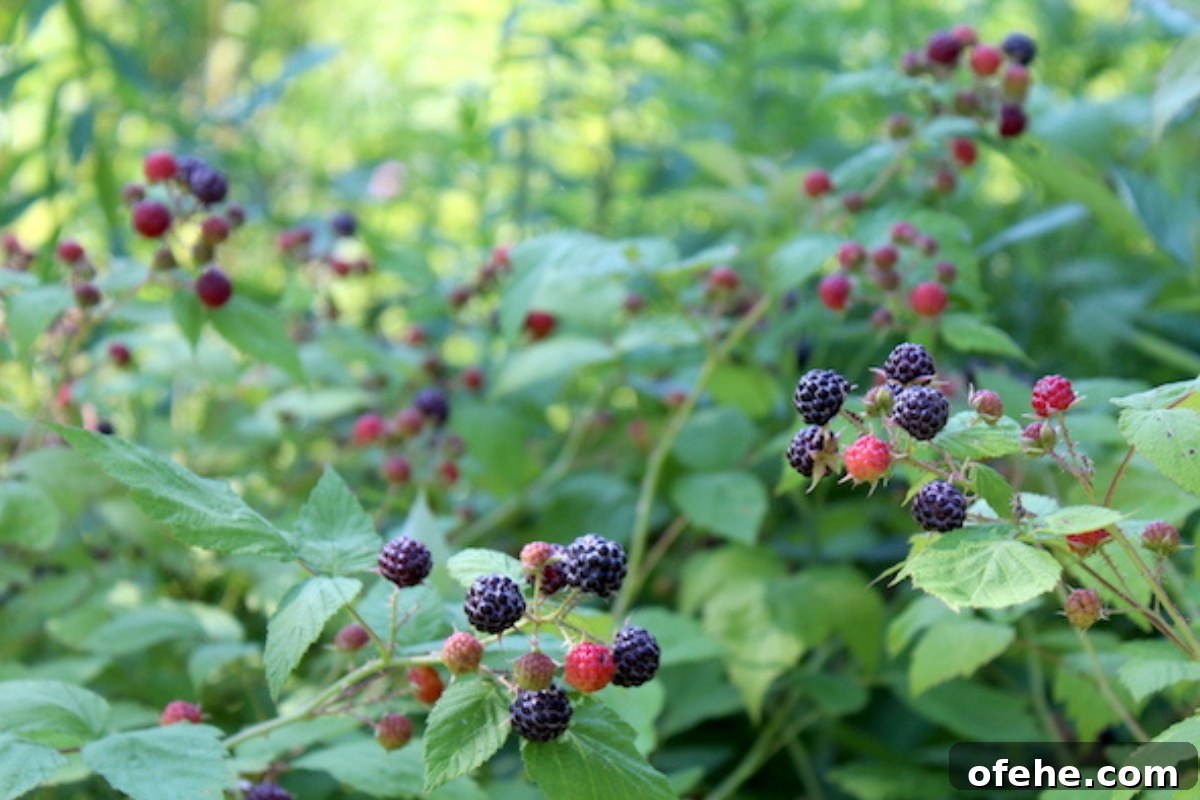
In southern parts of their range, berries ripen in June; in cooler northern areas, peak harvest is usually July. The fruiting window is brief—roughly two to three weeks. Leaves can be harvested from spring through fall, though many herbalists prefer young leaves collected before flowering for the best medicinal qualities.
Identifying Black Raspberry
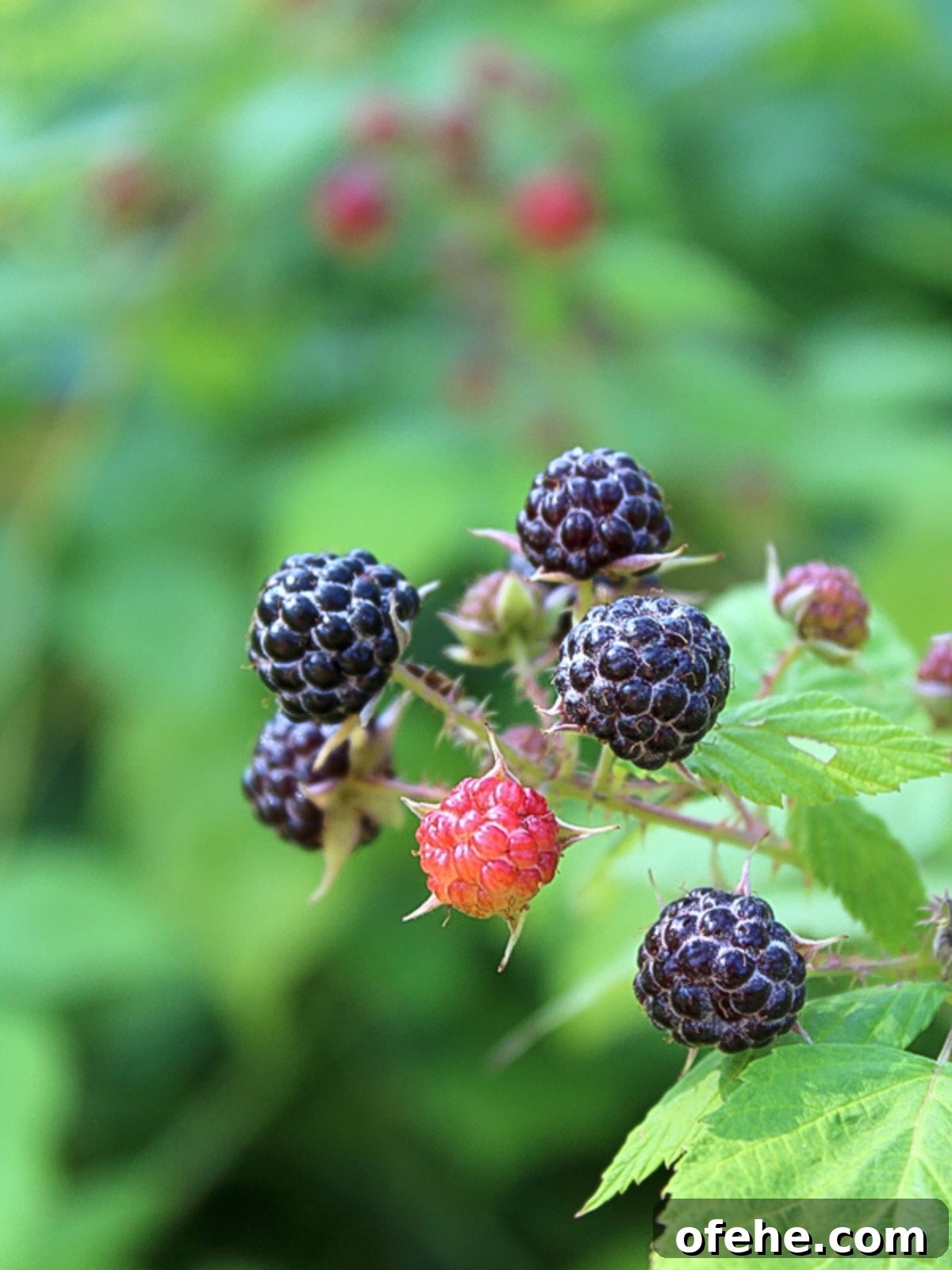
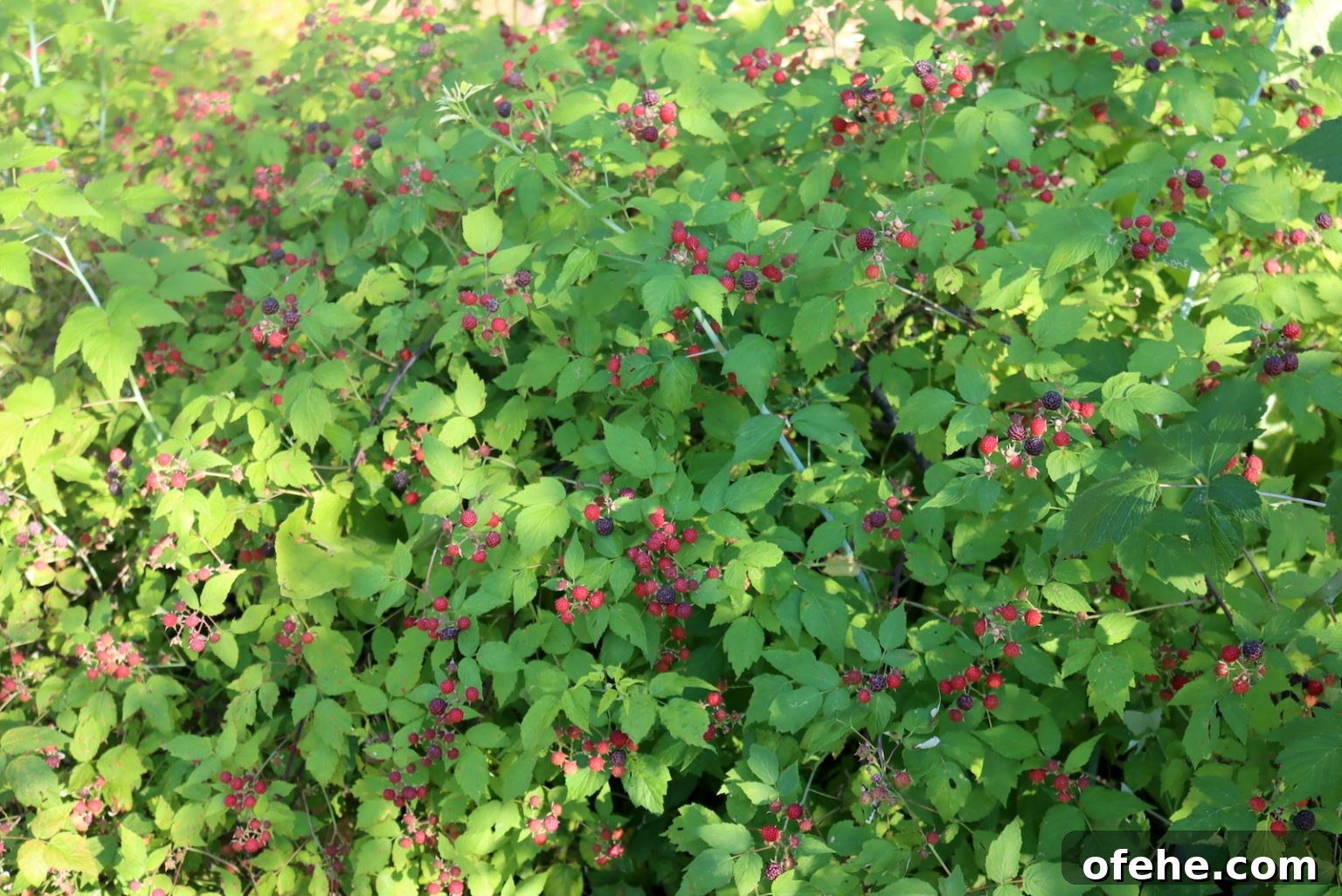
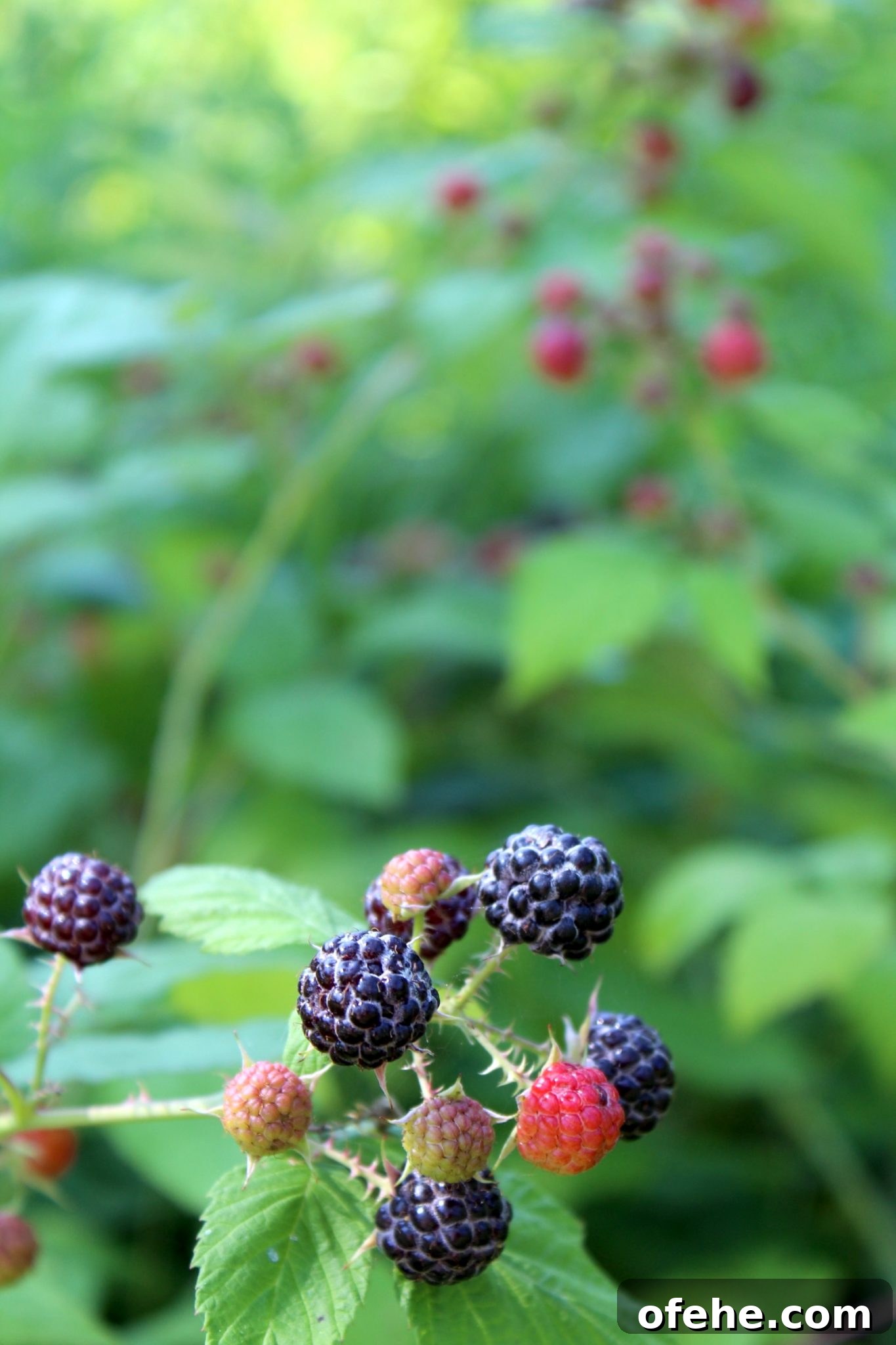
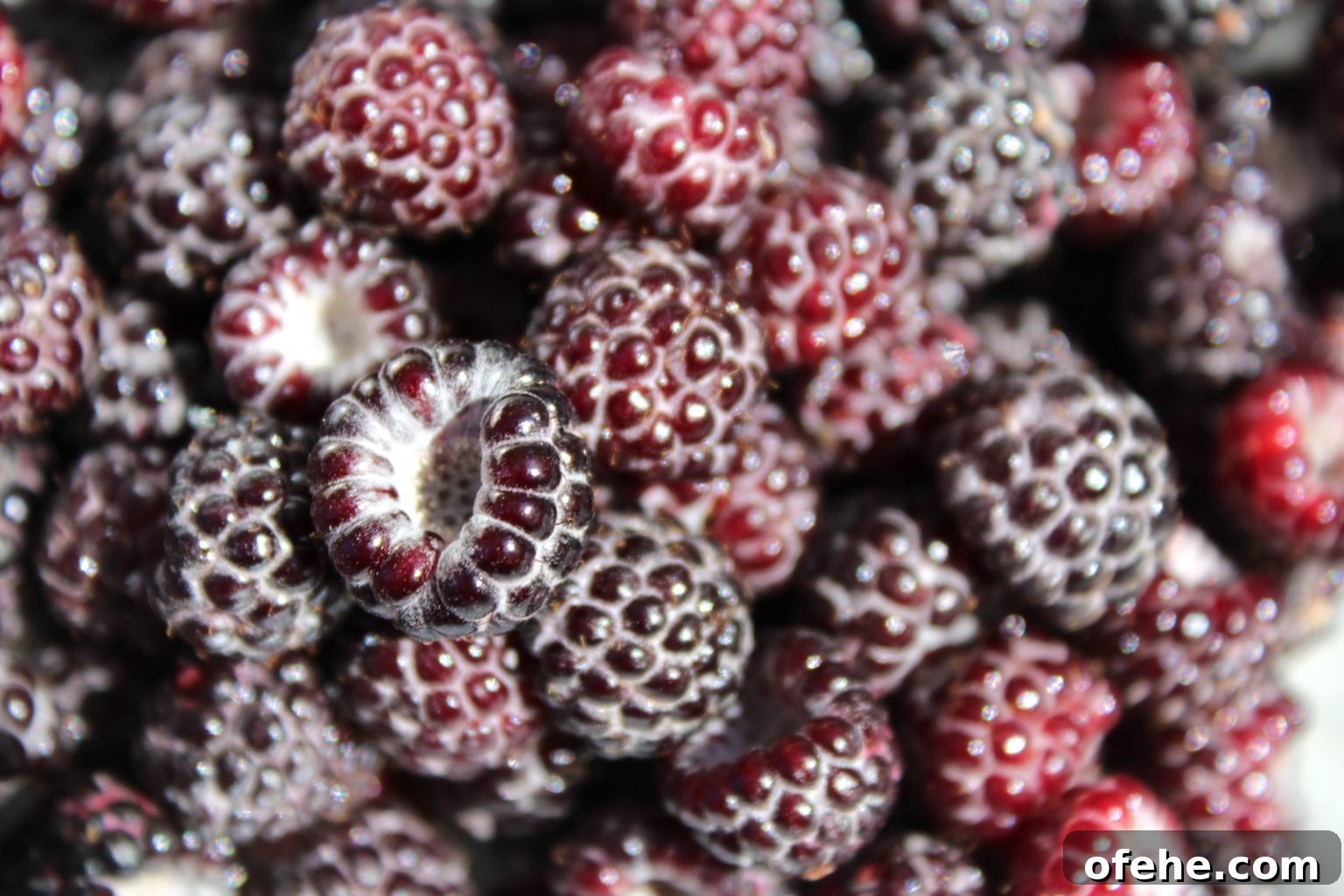
Black raspberry plants have long, arching canes typical of Rubus species. Their whitish, powdery bloom on canes is a useful field mark. The berries ripen from green to red to dark purple or black with a pale bloom, and they pull off easily, leaving a hollow center like other raspberries.
Black raspberries can spread by tip-rooting but are usually less aggressive than many blackberries, often appearing as small clusters rather than continuous thickets.
Black Raspberry Leaves
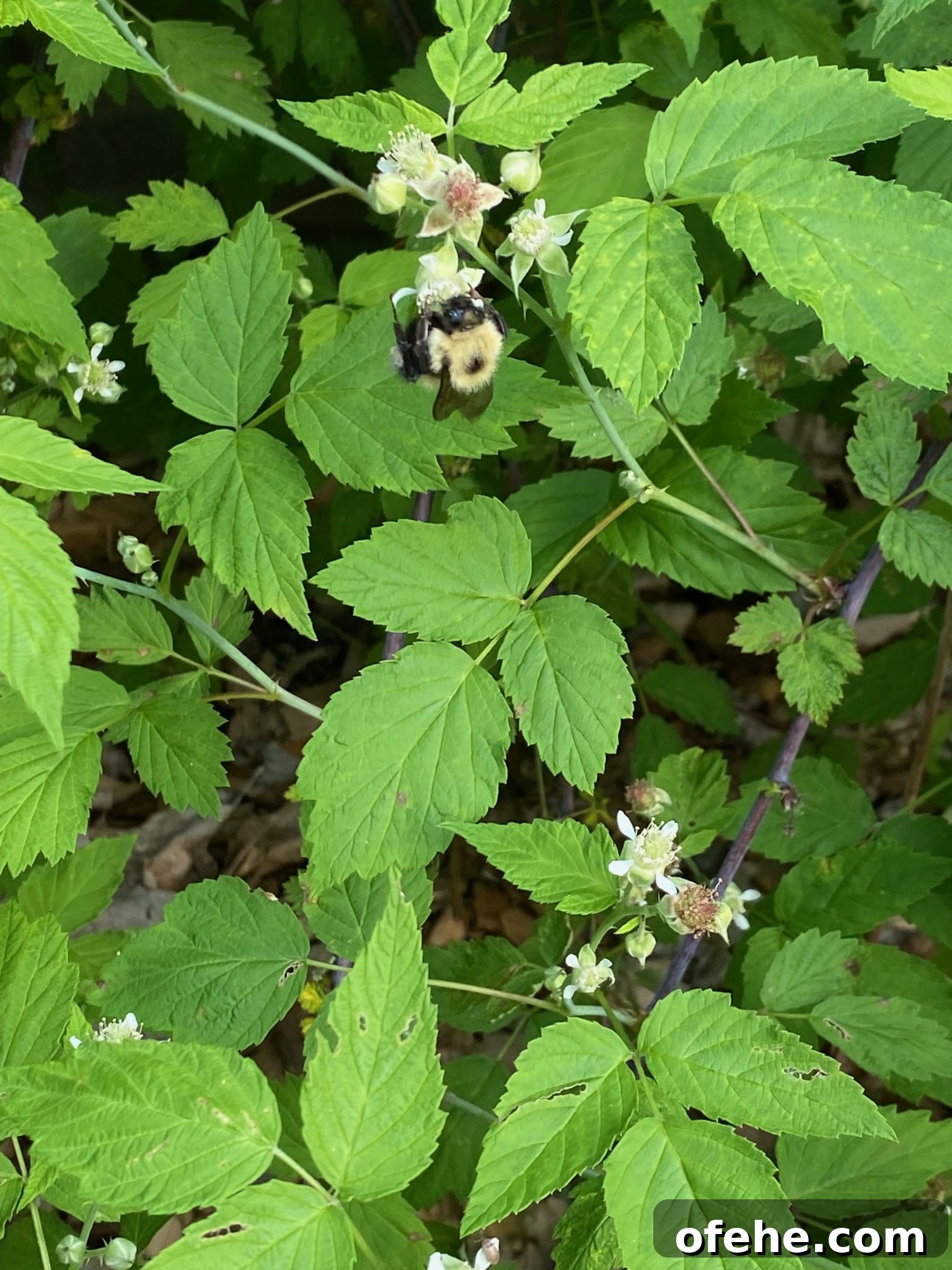
Leaves are compound, typically with three (sometimes five) leaflets. The upper surface is medium to dark green and mostly smooth, while the underside is paler and hairy. Leaflets are ovate to heart-shaped with double-toothed margins and measure a few inches long.
Black Raspberry Stems
Canes arise in clusters and can arch up to 10 feet long, though they usually stand under 4 feet tall. They carry sharp, curved thorns and display a whitish bloom; first-year canes are green or blue-green, turning reddish the next year and often brown after leaf drop in winter.
Black Raspberry Flowers
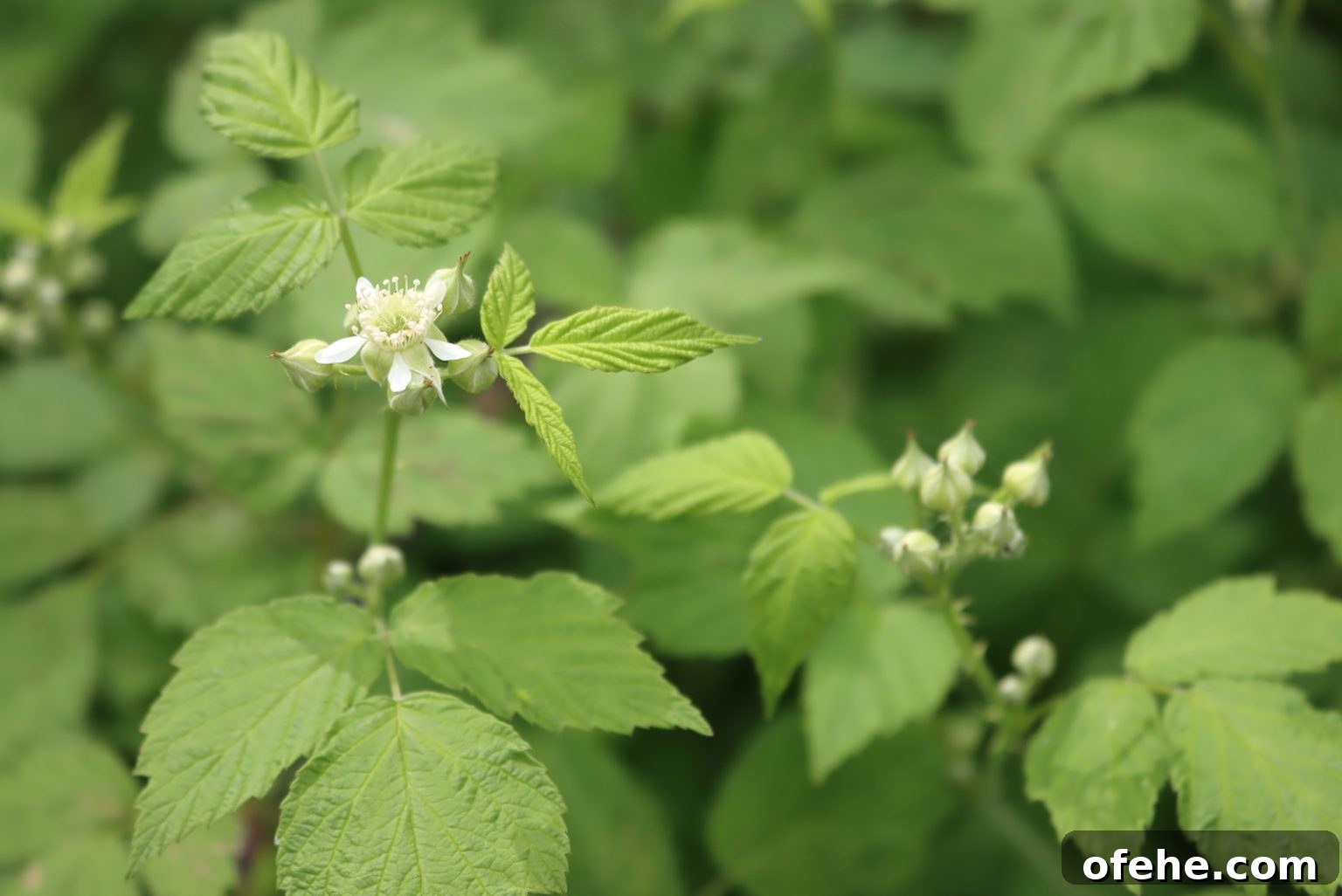
Flowers are small, white, and arranged in clusters near twig tips on one-year-old wood. Each blossom has five petals, pale green sepals, and a center of numerous styles and stamens.
Black Raspberry Fruit
The fruit resembles red raspberries in structure: clusters of drupelets that form a hollow-centered berry roughly half an inch wide. They mature from green to red and finally to black or dark purple, often with a dusty bloom on the surface.
Black Raspberry Look-Alikes
Several Rubus species can be confused with black raspberry. Key differences help with identification:
- Pennsylvania blackberry (Rubus pensilvanicus) has ridged canes with many straight prickles, leaves with 5–7 leaflets, and a soft, non-hollow fruit center.
- American red raspberry (Rubus strigosus) bears bright red fruit and canes with stiff hairs rather than broad-based thorns.
- Thimbleberry has large, maple-shaped palmate leaves, thornless canes often with bristly hairs, larger pink flowers, and broad shallow fruit.
The simplest way to distinguish black raspberries is to look for dark purple-black, hollow-centered berries on canes with a whitish bloom.
Ways to Use Black Raspberry
Black raspberries are enjoyed fresh while foraging or used in an array of recipes. They shine in baked goods—cobblers, pies, crumbles, muffins, scones, pancakes, and cheesecakes—but also work well in smoothies, yogurt bowls, and salad vinaigrettes.
Preservation is simple: freeze whole berries, dehydrate them or make fruit leather, or turn the harvest into jams, jellies, syrups, and pie fillings. Fresh berries or preserves lift drinks like iced tea and lemonade and can be used in cocktails or mocktails.
Harvest the leaves for tea, tinctures, and infusions. Raspberry leaf tea is traditionally used for menstrual support, to soothe sore throats and stomach upset, and as a gentle mouthwash for oral inflammation. Roots, used sparingly, serve as astringent ingredients in some herbal preparations. Leaves and roots can also be made into poultices or washes for minor wounds and irritations.
Black Raspberry Recipes
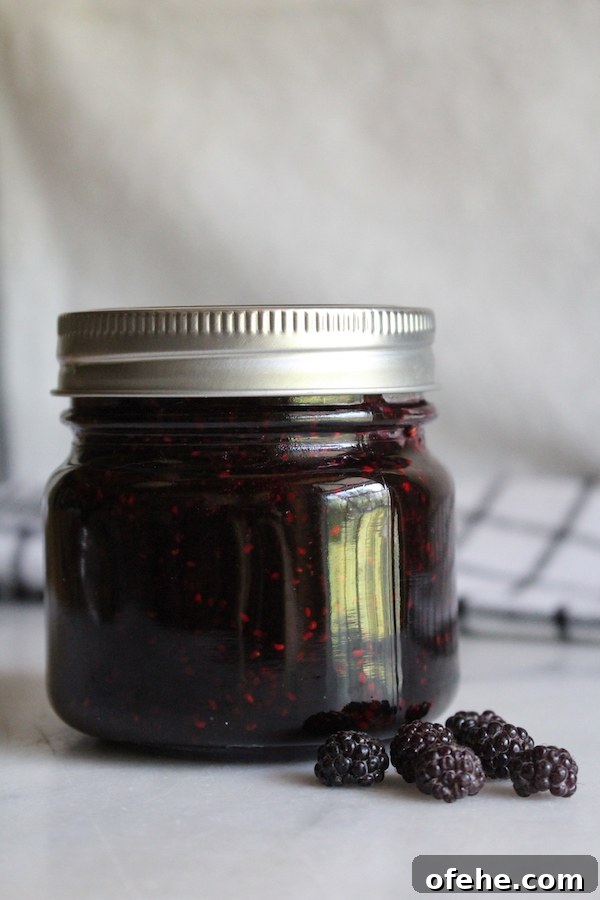
Black raspberries are versatile in the kitchen. Try them in ice cream, cobblers, cheesecake bars, fruit salads, or a simple jam to preserve your harvest. Their bright flavor complements both sweet and savory dishes.
Fruit Foraging Guides
If you enjoy foraging, look for other wild fruits in season as well. Many field guides and local resources can help you identify edible berries and fruits in your region.