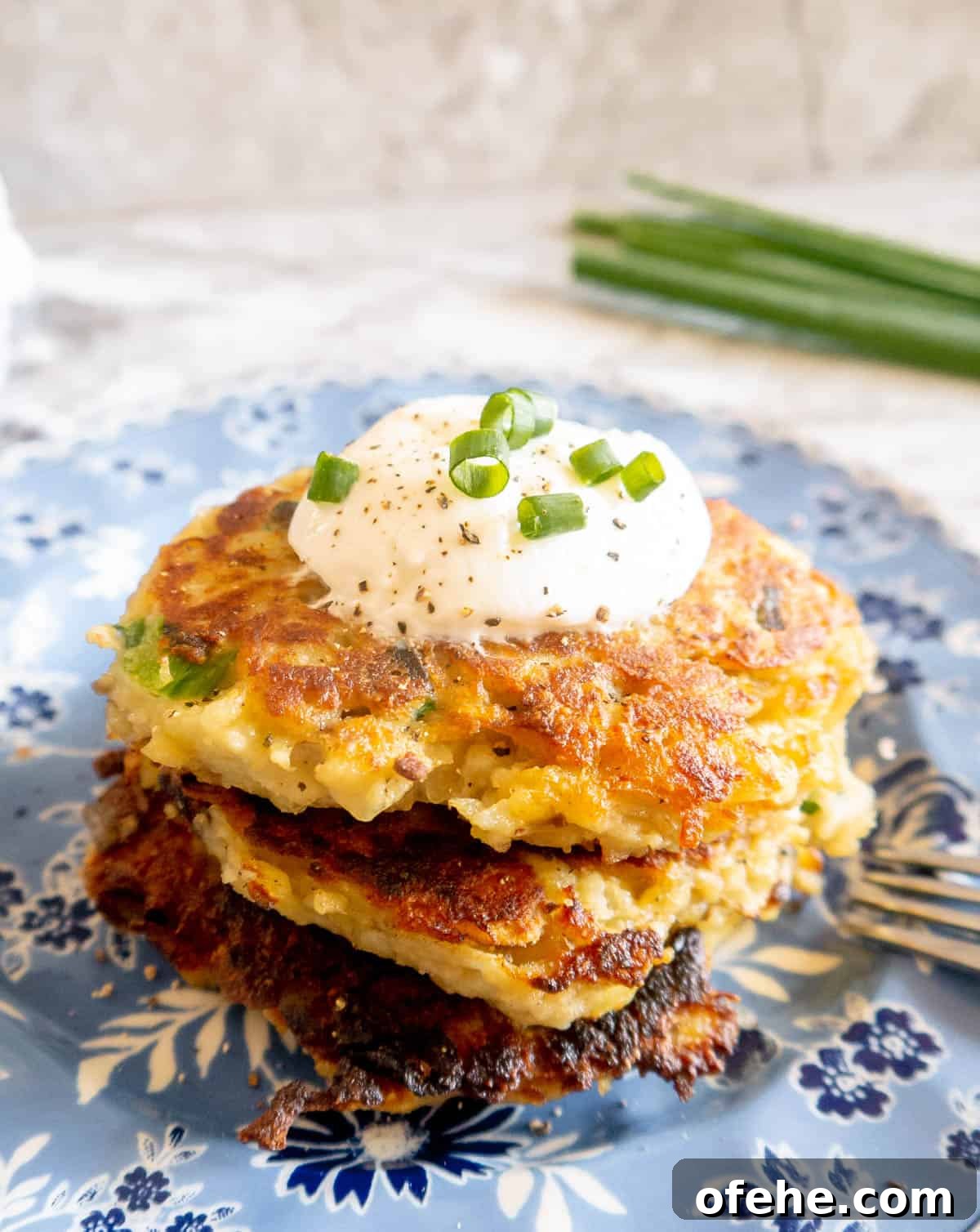
These gluten free potato pancakes are crisp on the outside, tender inside, and utterly delicious. Made from a mix of shredded raw potatoes, mashed potatoes, almond flour, and seasonings like scallions and garlic powder, they’re naturally gluten-free and can be made Whole30 by swapping butter for ghee.
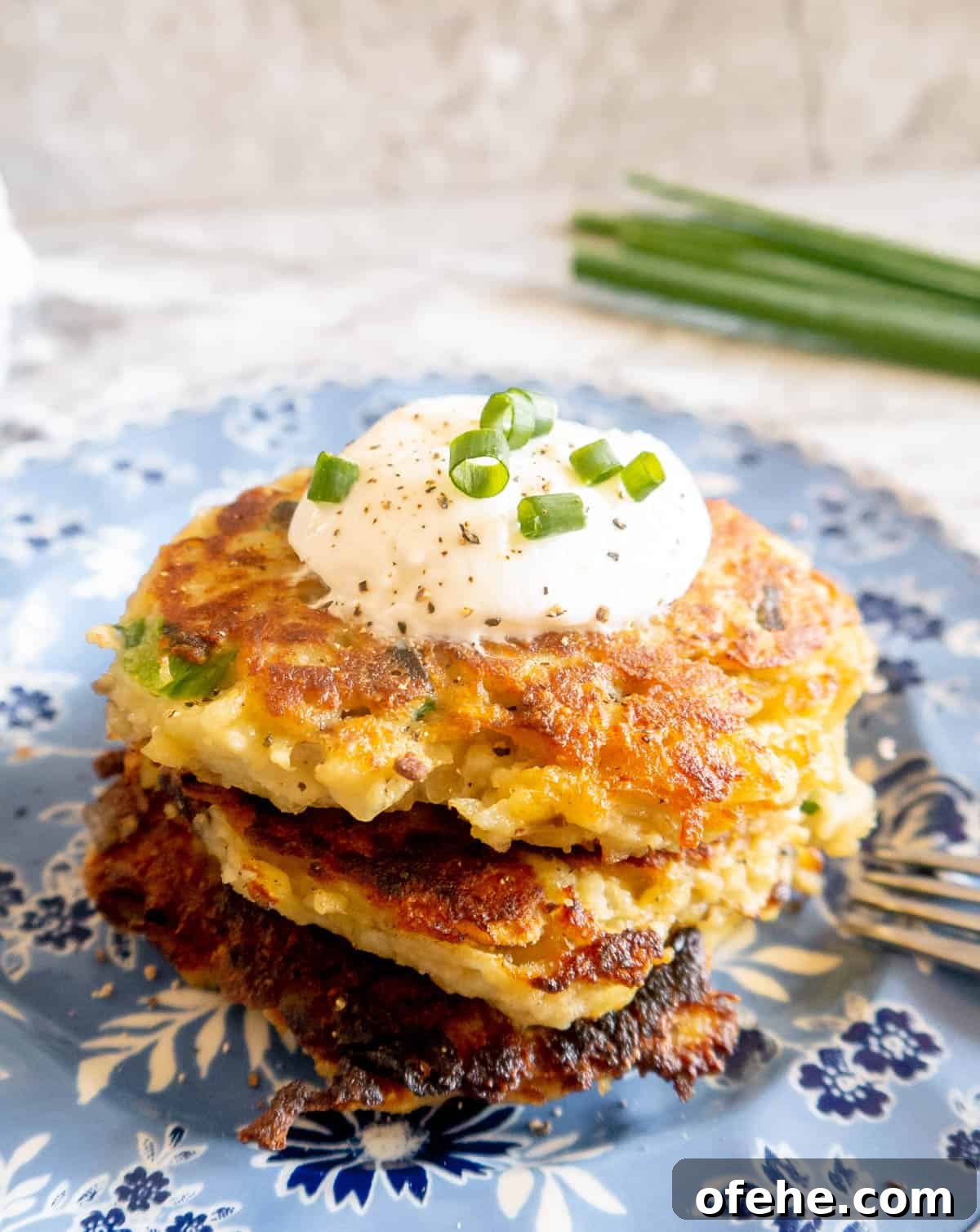
I love these potato pancakes — they’re inspired by the Irish boxty I enjoyed while living in Ireland. My version uses almond and tapioca flours instead of all-purpose flour so they stay gluten free, grain free, and paleo-friendly, while keeping the comforting flavor and texture of the traditional dish.
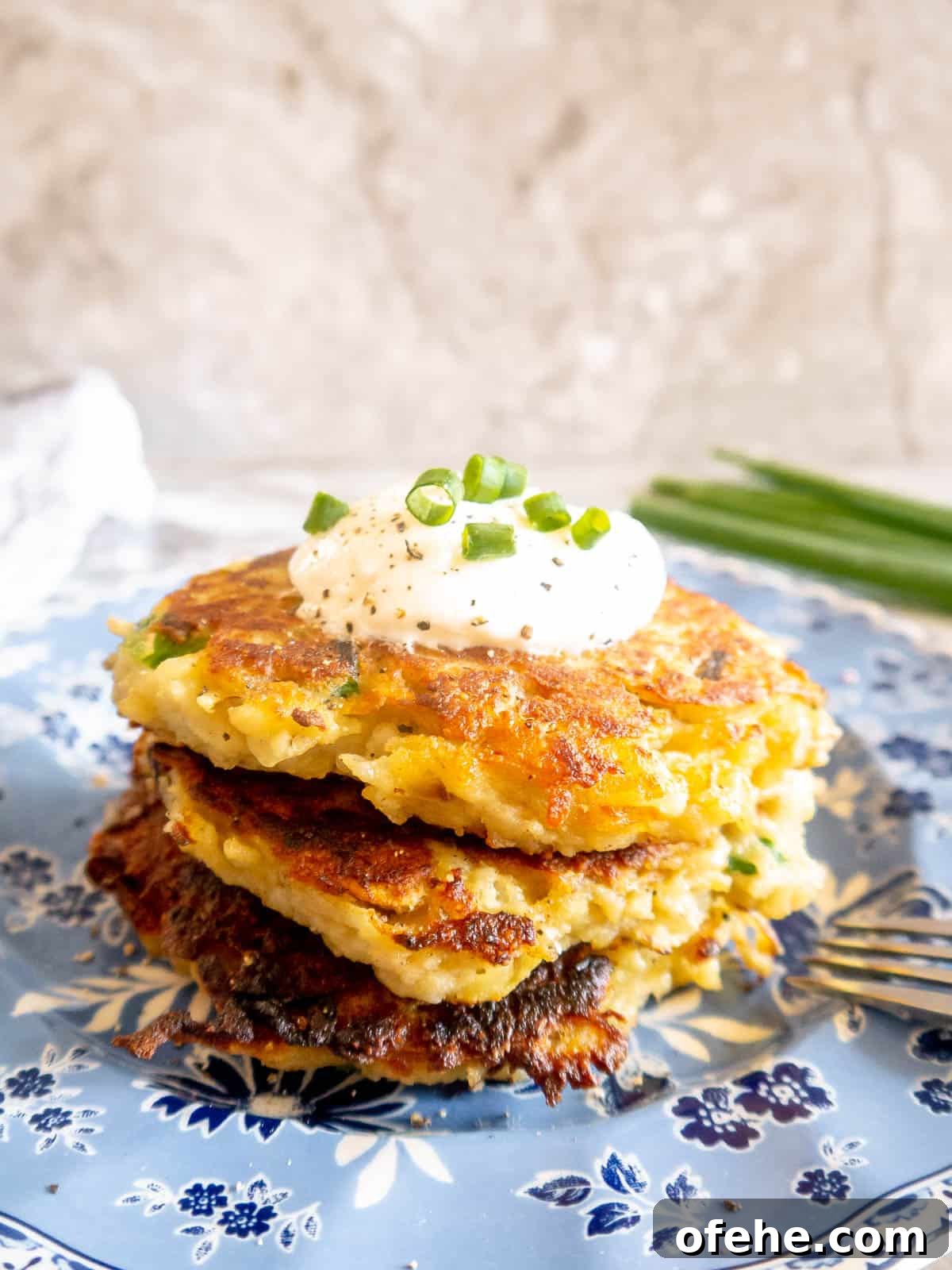
They’re great year-round as a filling side or a main with toppings like eggs, sausage, smoked salmon, or a dollop of Greek yogurt. For a St. Patrick’s Day menu they pair beautifully with dairy-free Irish cream liqueur or a shepherd’s pie.
Table of Contents
- Why you’ll love this recipe
- Recipe Ingredients
- Additions/ Substitutions
- Step by step instructions
- Recipe FAQs
- More healthy potato recipes you’ll love
- Gluten free Potato Pancakes (Whole30 option) Recipe
Why you’ll love this recipe
- Uses a few simple, wholesome ingredients to make a satisfying side dish.
- Crispy exterior with a soft, comforting interior.
- Versatile — serve for breakfast, lunch, dinner, or as a snack.
- Diet-friendly: naturally gluten free, grain free, and Paleo. Swap butter for ghee to make it Whole30, or use non-dairy butter to make it dairy free.
Recipe Ingredients
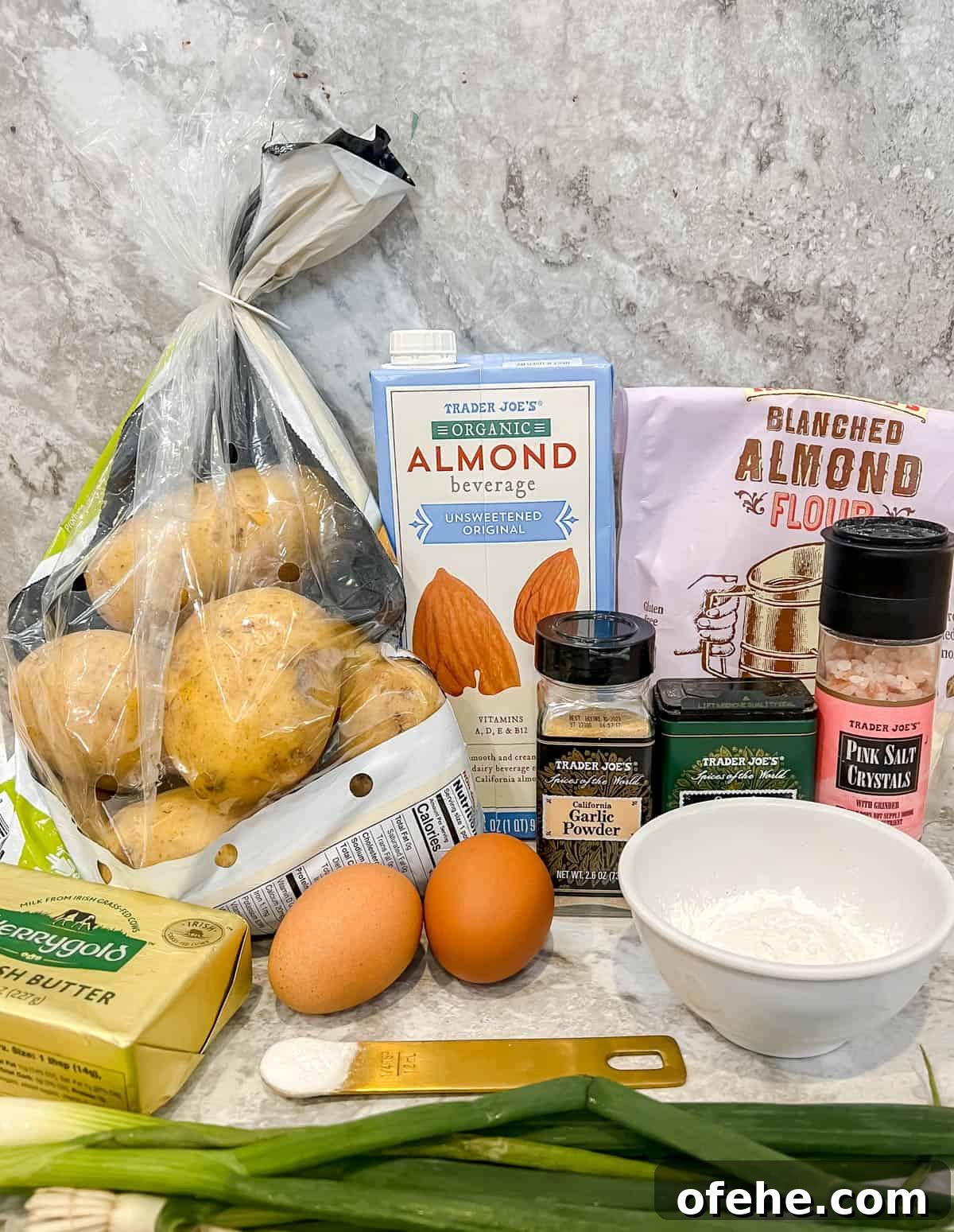
- Potatoes – gold or russet work well.
- Grass-fed butter – or ghee for Whole30, vegan butter for dairy-free.
- Almond milk – or any milk you prefer.
- Eggs – to bind the mixture.
- Green onions / scallions – use white and green parts.
- Garlic powder – for seasoning.
- Almond flour – replaces all-purpose flour.
- Tapioca flour – helps thicken the batter (arrowroot can substitute).
- Baking soda – for a lighter texture.
- Avocado oil – for frying.
See the recipe card below for exact measurements.
Additions/ Substitutions
- Make it dairy-free: use vegan butter instead of grass-fed butter.
- Make it Whole30: use ghee in place of butter.
- No green onions? Use onion powder.
- Swap tapioca flour with arrowroot powder if preferred.
- Replace almond milk with regular milk or any non-dairy alternative depending on dietary needs.
Step by step instructions
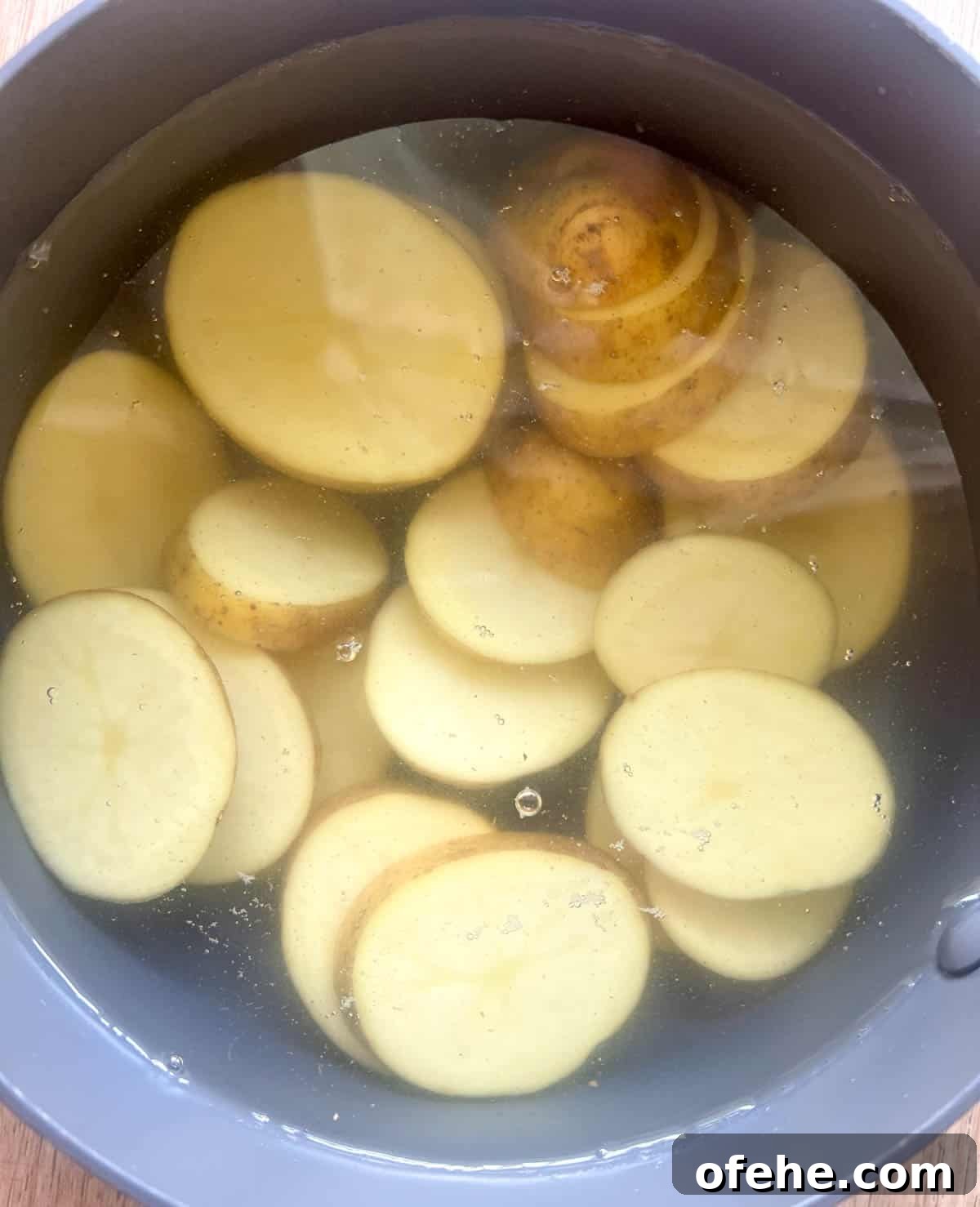
Step 1: Divide the potatoes in half. Slice half into 3/4-inch rounds and boil in lightly salted water until fork tender, about 20–25 minutes.
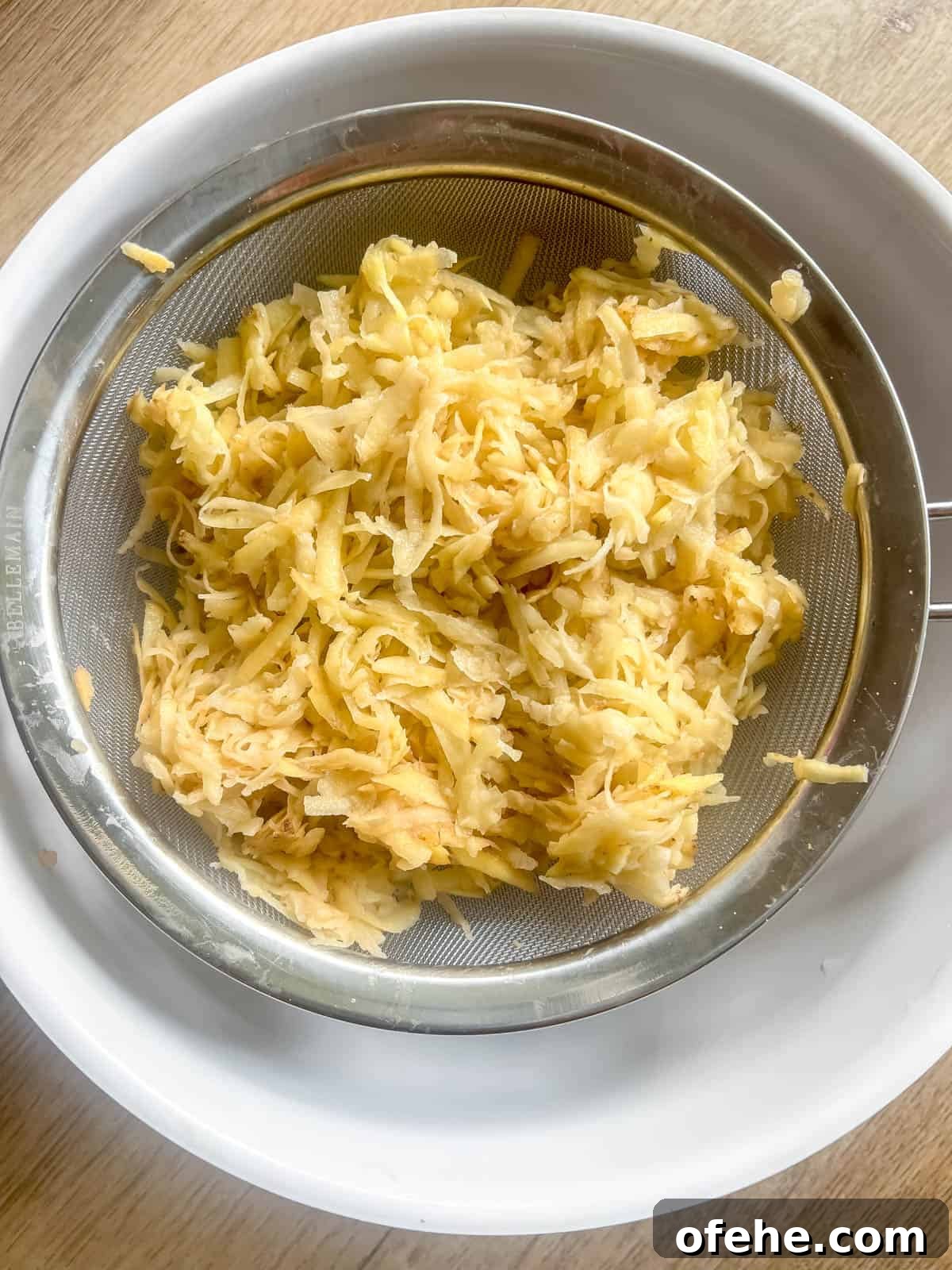
Step 2: Grate the remaining raw potatoes. Toss with 1 tsp salt, place in a sieve over a bowl or sink, and let sit 15–20 minutes so excess moisture drains. Discard the liquid and pat the grated potatoes dry with paper towels.
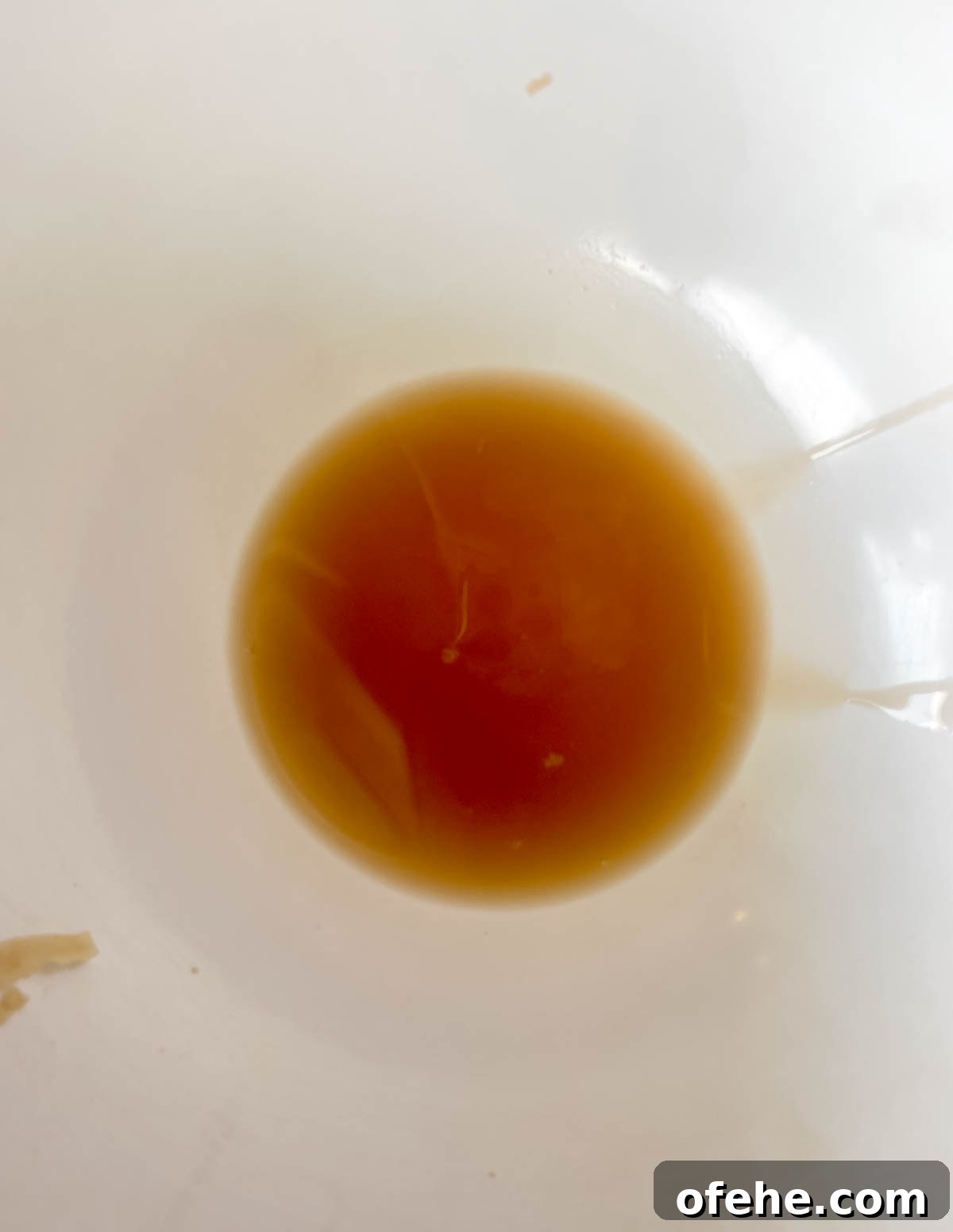
Step 3: Discard the released potato water.
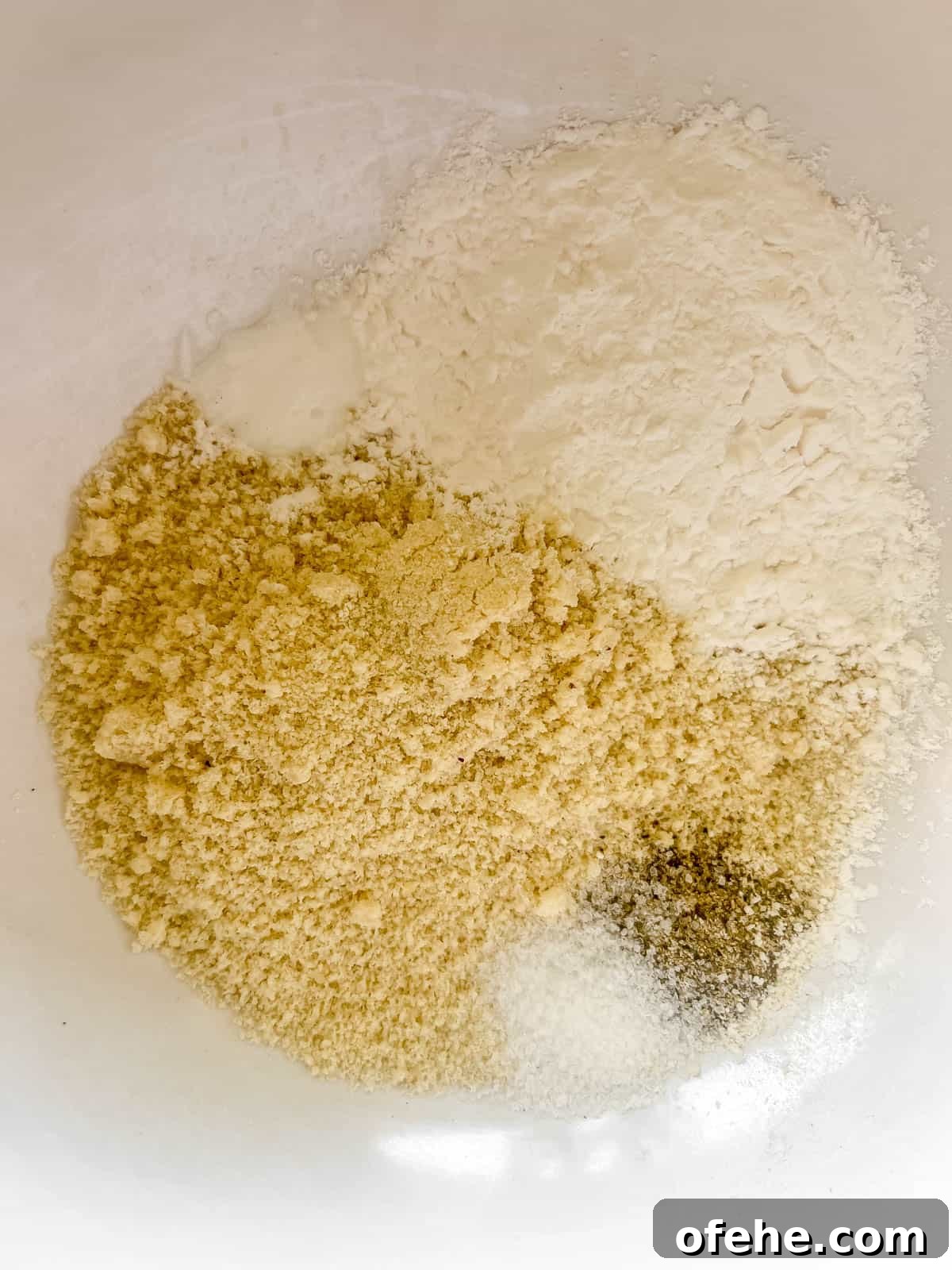
Step 4: Whisk together almond flour, tapioca flour, baking soda, salt, and pepper in a small bowl; set aside.
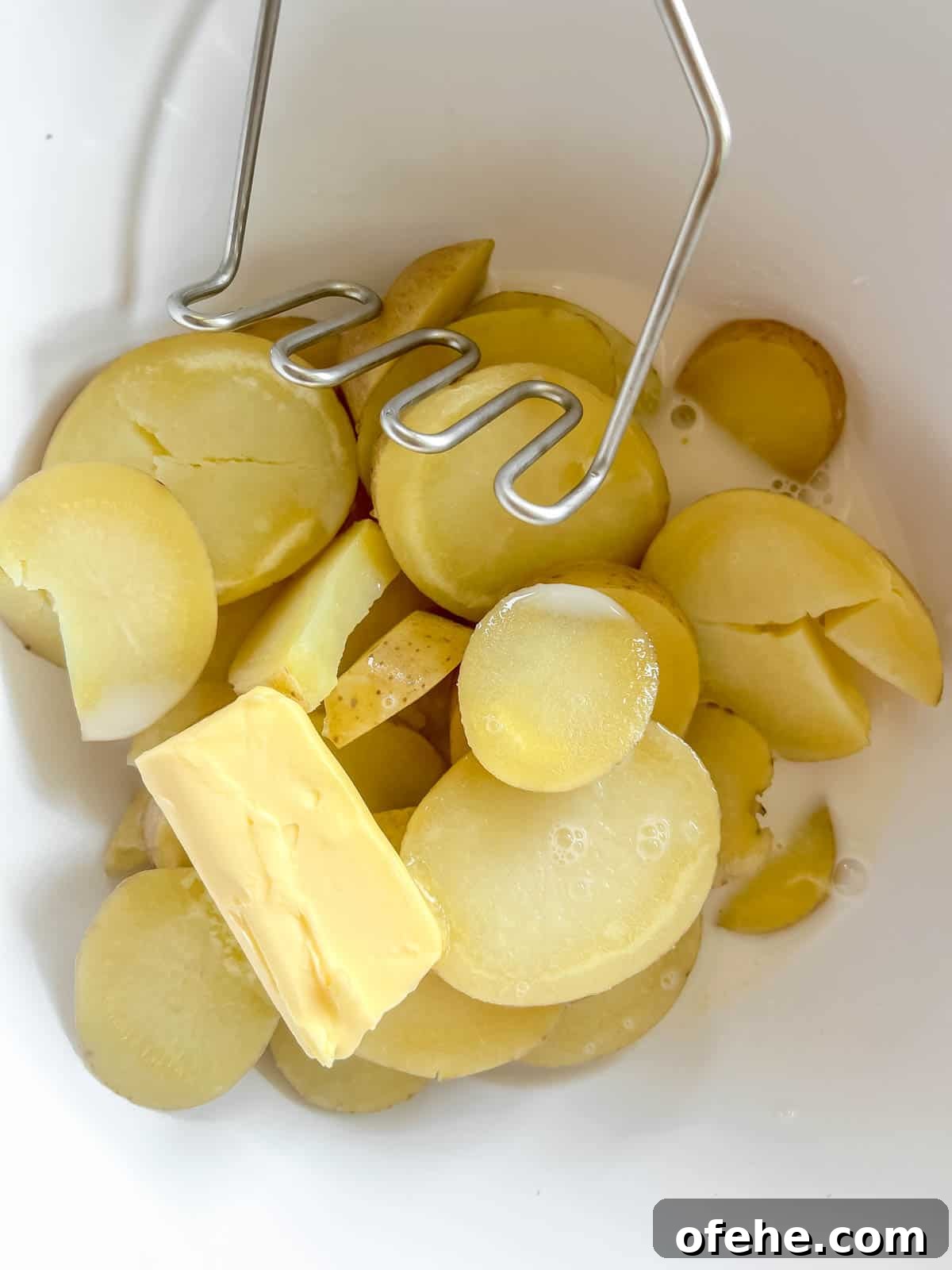
Step 5: Drain the boiled potatoes, place them in a large bowl, add butter (or ghee) and almond milk, then mash until smooth but still a bit rustic.
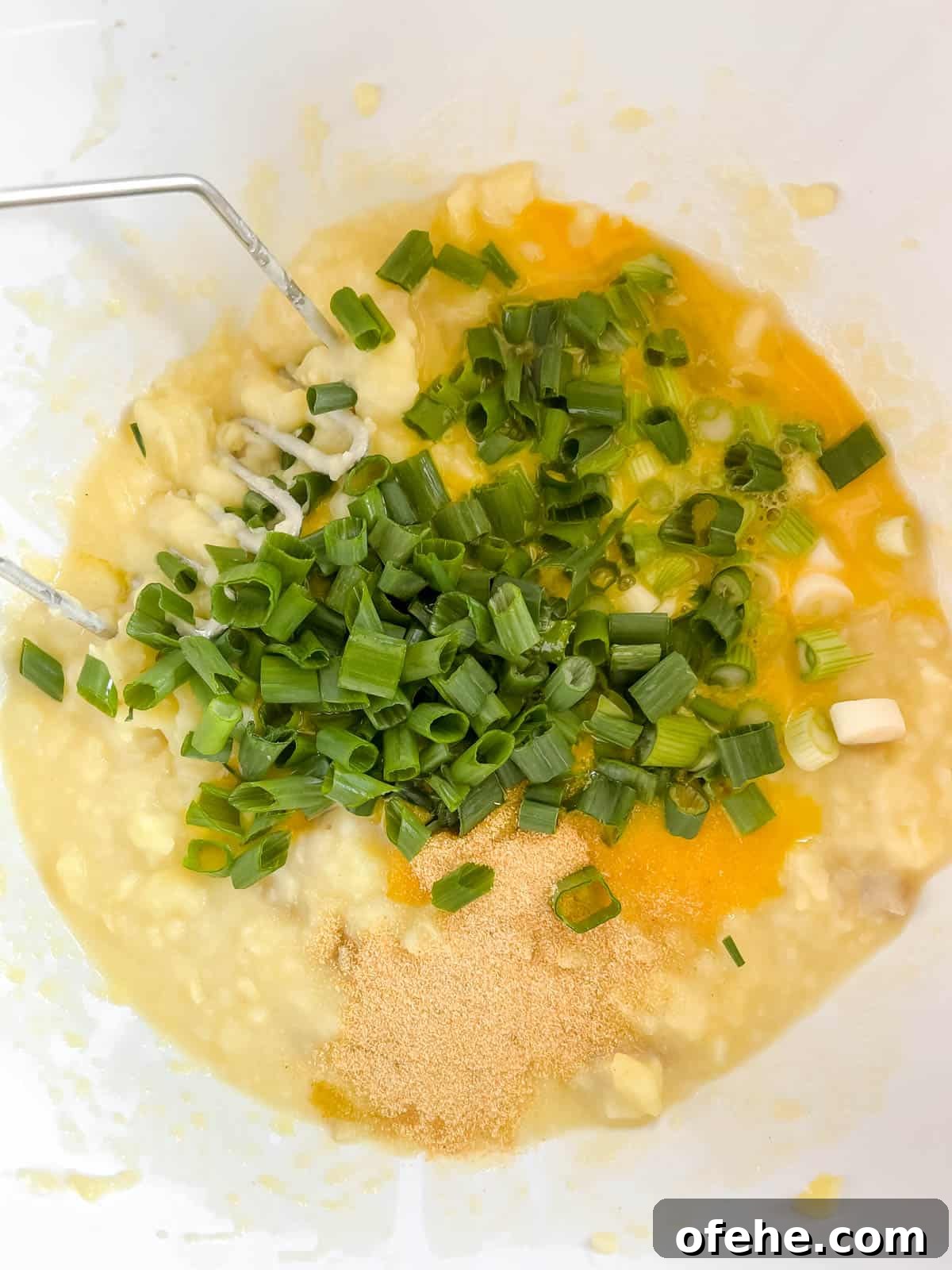
Step 6: Stir in eggs, garlic powder, and sliced scallions until evenly combined.
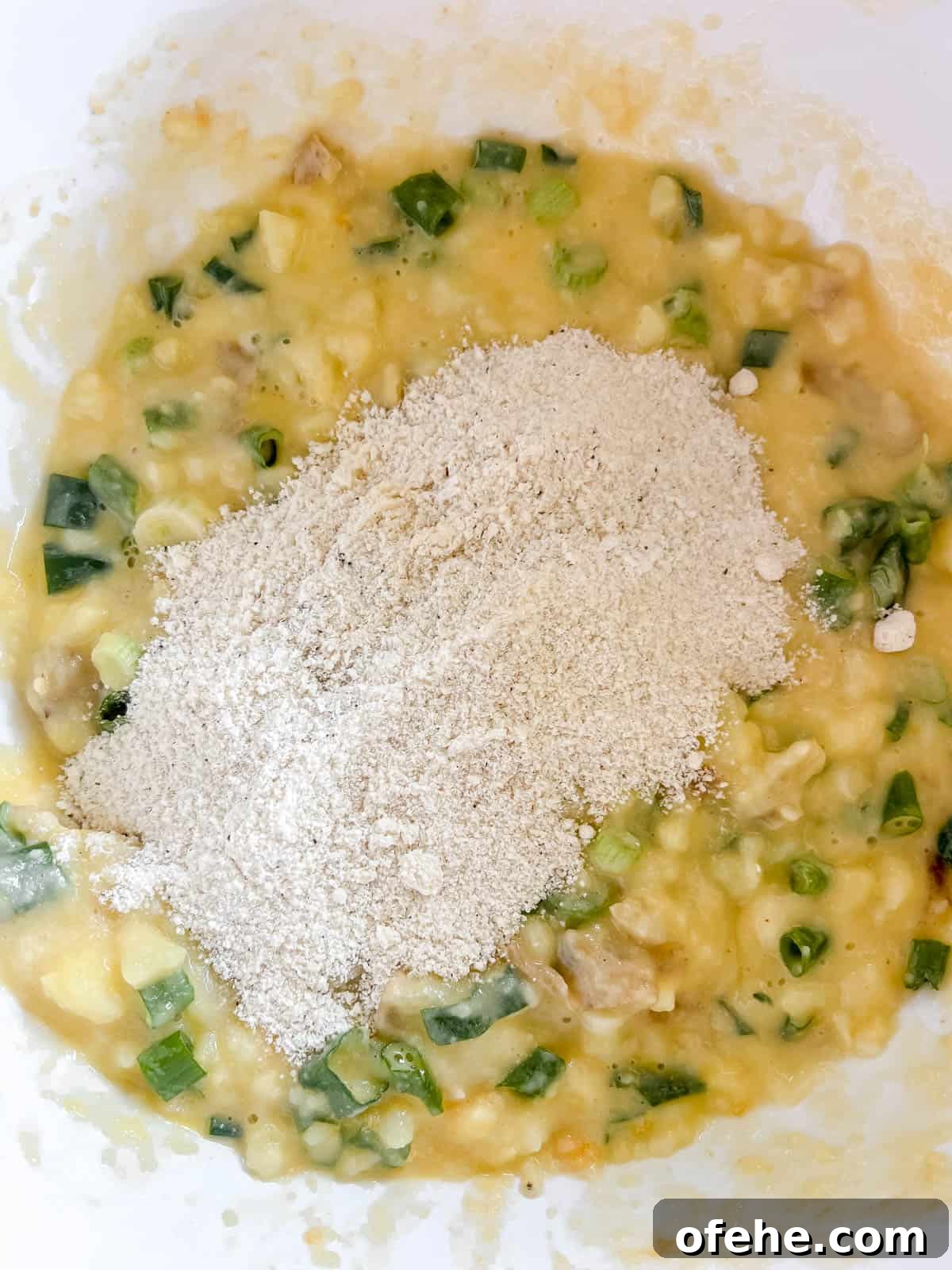
Step 7: Add the almond/tapioca flour mixture to the mashed potatoes and mix thoroughly.
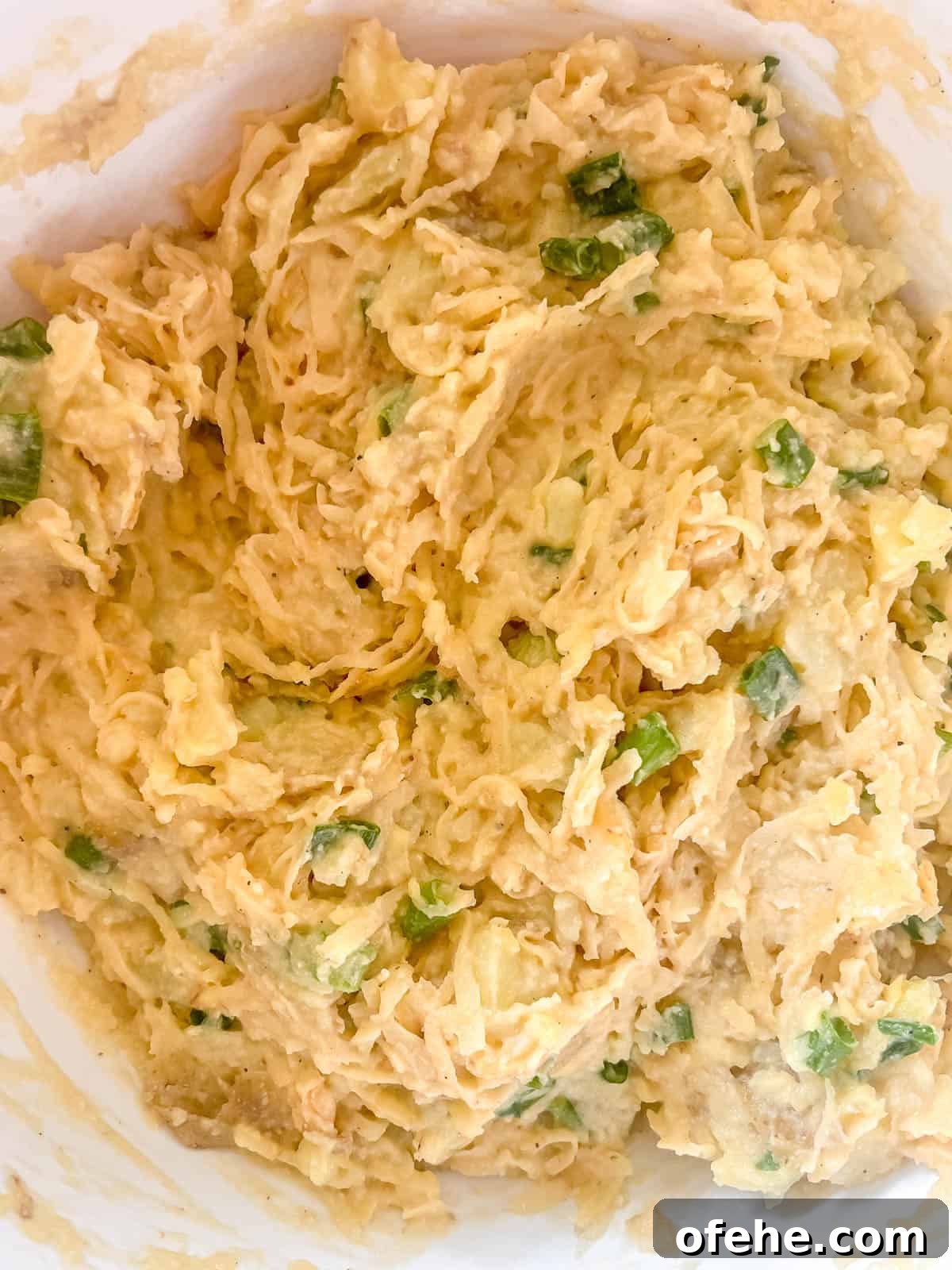
Step 8: Fold the dried shredded potatoes into the mashed potato mixture until evenly distributed.
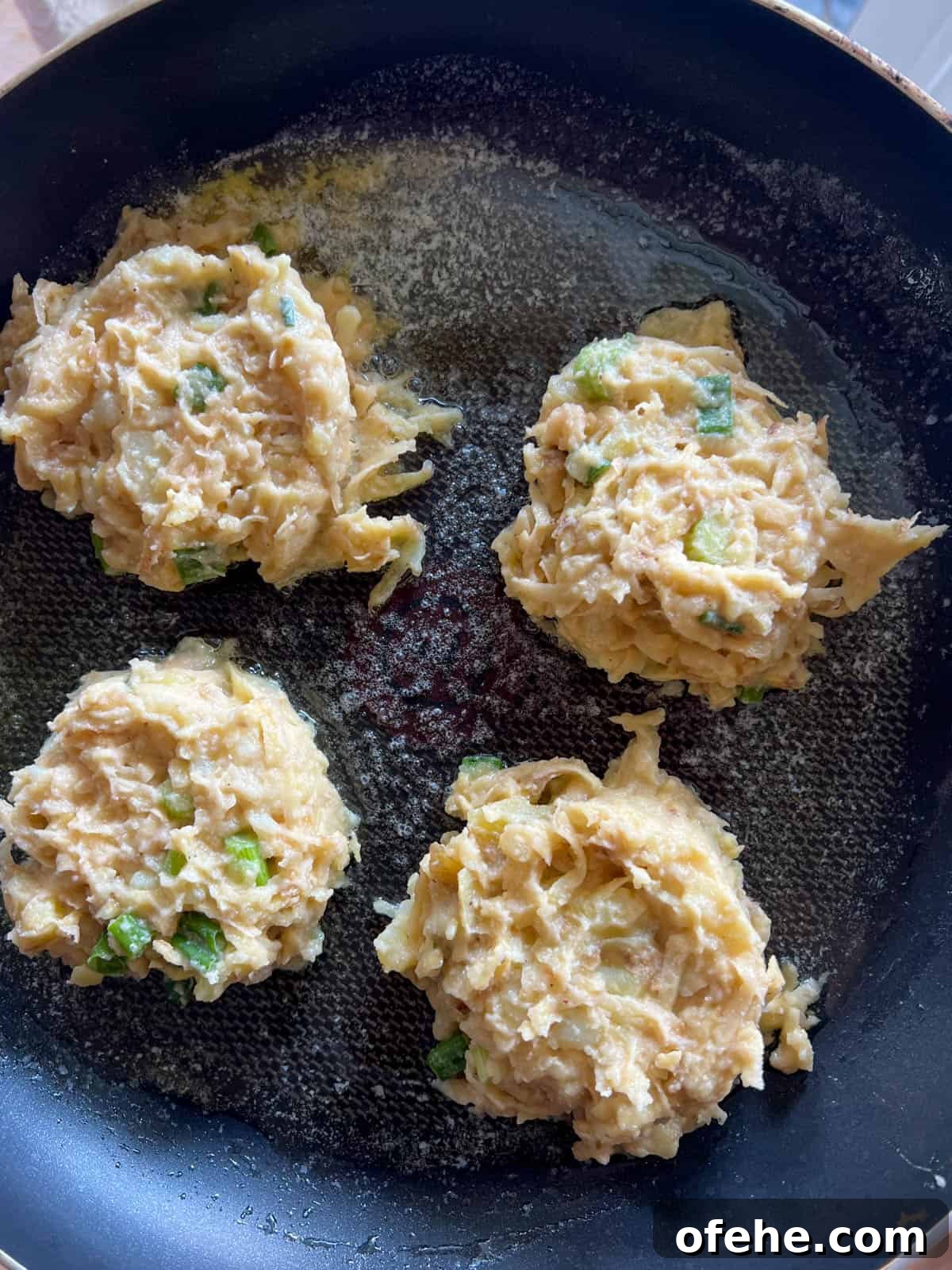
Step 9: Heat avocado oil and a bit of butter in a large frying pan over medium-high. Scoop about 1/2 cup of batter per pancake, flatten slightly, and cook until golden — roughly 3–4 minutes per side, adjusting heat and adding oil between batches as needed.
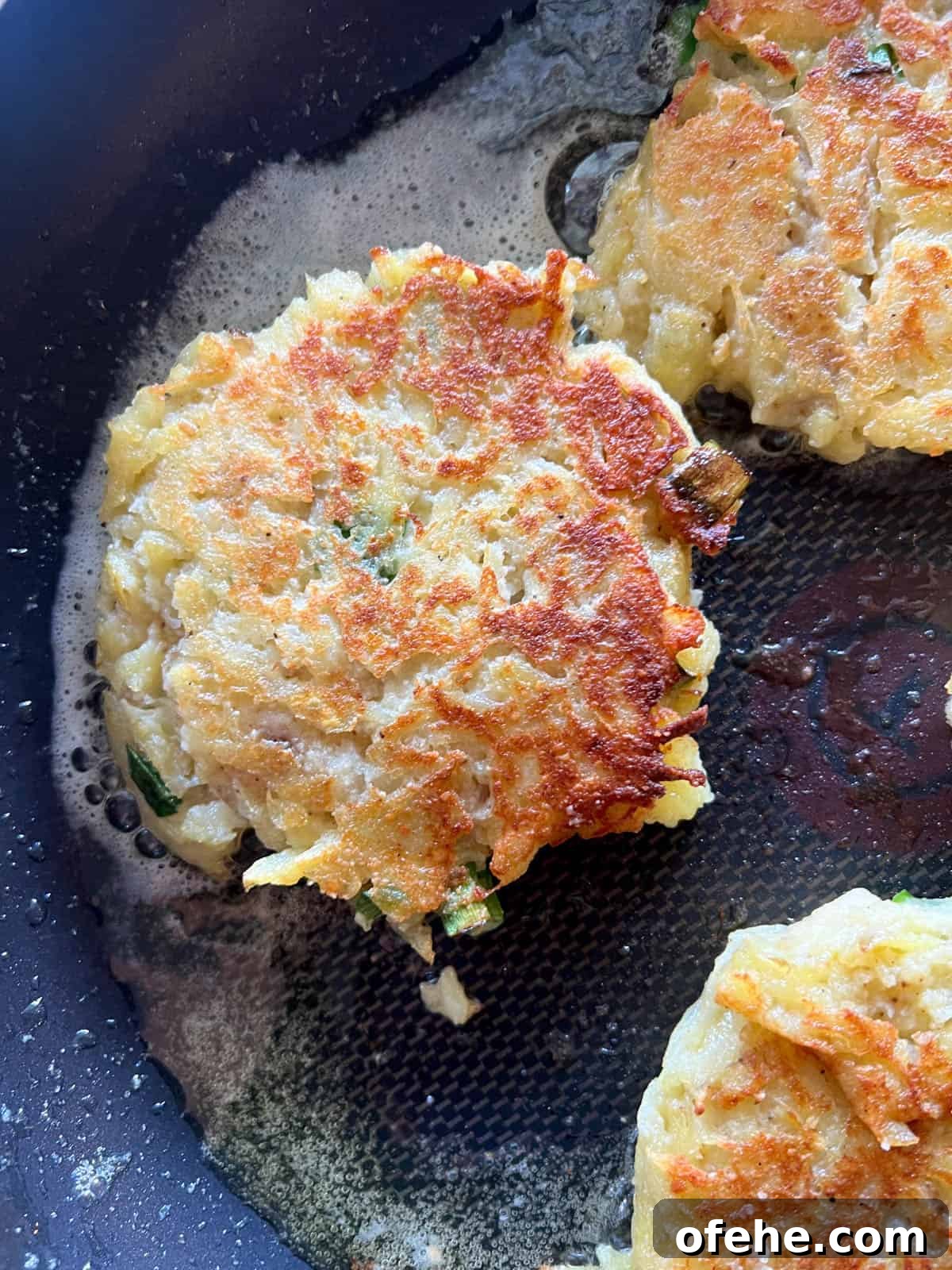
Step 10: Flip once the bottoms are golden brown and finish cooking the other side.
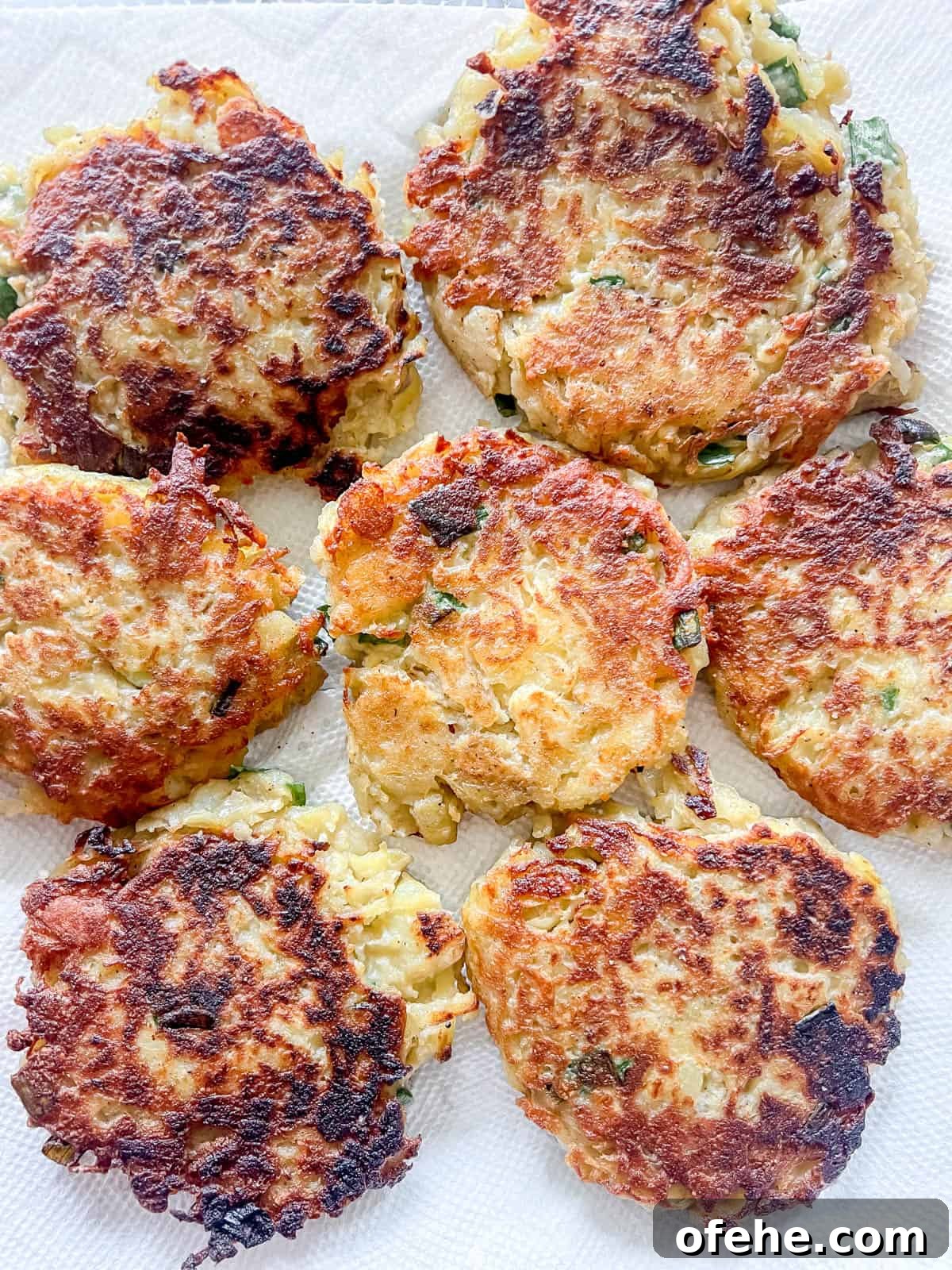
Step 11: Transfer cooked pancakes to a paper-towel-lined plate to drain briefly, then serve warm. This recipe makes about 12–14 pancakes.
Recipe FAQs
Traditional potato pancakes often use all-purpose flour, but this recipe is gluten free because almond flour and tapioca flour are used instead.
Serve with proteins like eggs, sausage, or smoked salmon, or enjoy them with Greek yogurt, applesauce, or a simple garnish of fresh herbs.
Yes. Freeze in a single layer on a sheet pan, then transfer to a freezer bag. Reheat in a skillet or oven until warmed through and crisp.
Note: This recipe was adapted from a traditional Irish boxty technique and adjusted to be gluten free.
More healthy potato recipes you’ll love
If you enjoy potato-based snacks, try other gluten-free fritters and gratins for variety. Dill ranch potato salad and dairy-free scalloped potatoes offer different textures and flavors for potato lovers.
Did you try this recipe? Please leave a review!
Gluten free Potato Pancakes (Whole30 option)

Ingredients
- 3 lbs gold potatoes
- 5 Tablespoons grassfed butter, divided (use ghee for Whole30)
- 1 cup almond milk
- 2 eggs, lightly beaten
- 1 cup sliced green onions/ pencil onions
- 1 teaspoon garlic powder
- 1 1/2 teaspoons salt, divided
- 1/2 teaspoon black pepper
- 1/2 cup almond flour
- 2 Tablespoons tapioca flour
- 1/4 teaspoon baking soda
- 2 Tablespoons avocado oil, and extra for cooking
Instructions
-
Slice half the potatoes, boil until tender (20–25 minutes).
-
Grate the remaining potatoes, toss with 1 tsp salt, let drain 15–20 minutes, then discard the liquid and pat dry.
-
Combine 1/2 tsp salt, 1/2 tsp pepper, 1/2 cup almond flour, 2 Tbsp tapioca flour, and 1/4 tsp baking soda in a bowl.
-
Mash drained boiled potatoes with 4 Tbsp butter (or ghee) and almond milk. Add eggs, garlic powder, and green onions, then stir in the flour mixture and the grated potatoes.
-
Heat 2 Tbsp oil and 1 Tbsp butter in a large skillet over medium-high. Scoop 1/2 cup of batter per pancake and flatten slightly in the pan.
-
Cook until golden on each side, about 2.5–3.5 minutes per side depending on batch; add oil or reduce heat as needed.
-
Drain on paper towels and serve warm.
-
Yields approximately 12–14 pancakes.
Notes
- Use vegan butter for a dairy-free version.
- Use ghee for a Whole30-compliant version.
- Onion powder can replace green onions if needed.
- Arrowroot works as a substitute for tapioca flour.
- Any milk can replace almond milk depending on dietary preference.
Nutrition
Nutrition information is an approximation.