There’s something deeply satisfying about watching simple ingredients transform into something extraordinary. The creaming method is one such baking technique that dramatically improves the texture of cakes and cookies, producing light, tender, and well-structured results. I still remember the first time I got it right—suddenly my cakes were no longer dense or dry but had that perfect bakery-style softness.
In this article, we’ll explore the creaming method in detail: what it is, when to use it, how to execute it correctly, and an eggless variation for those who avoid eggs. Whether you’re making a classic butter cake or a batch of tender cookies, mastering this method can elevate your baking.
WHAT IS THE CREAMING METHOD?
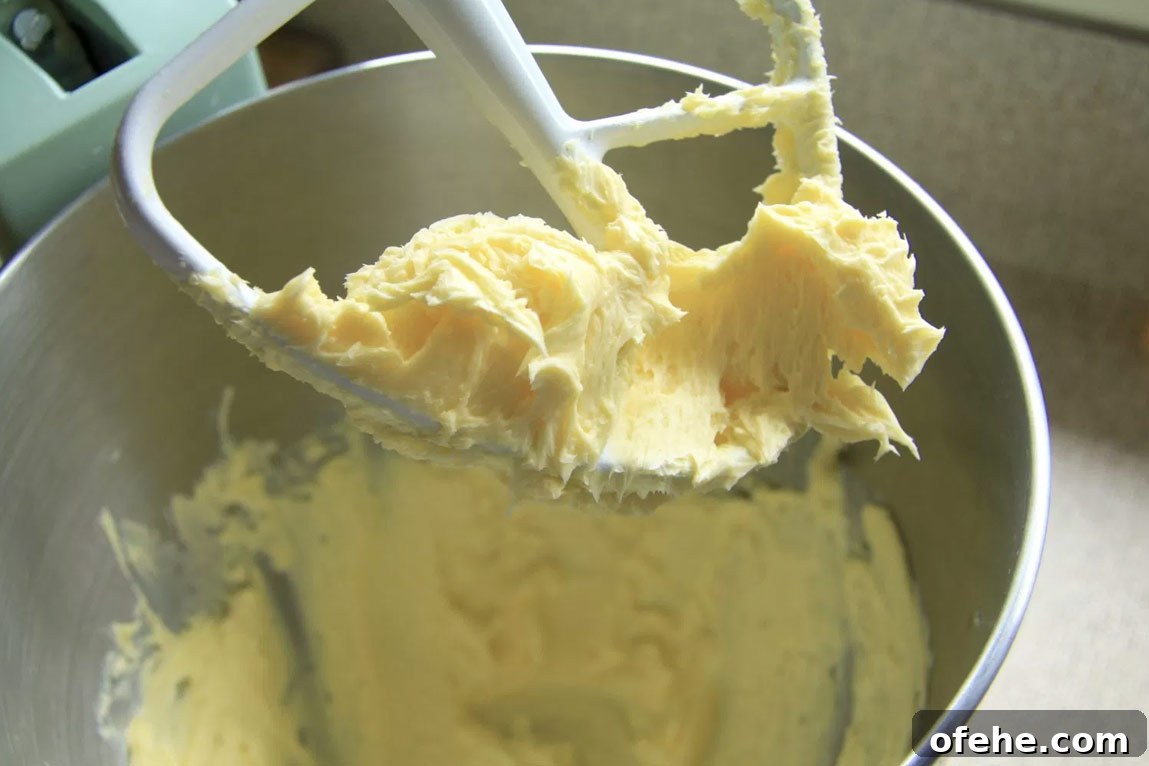
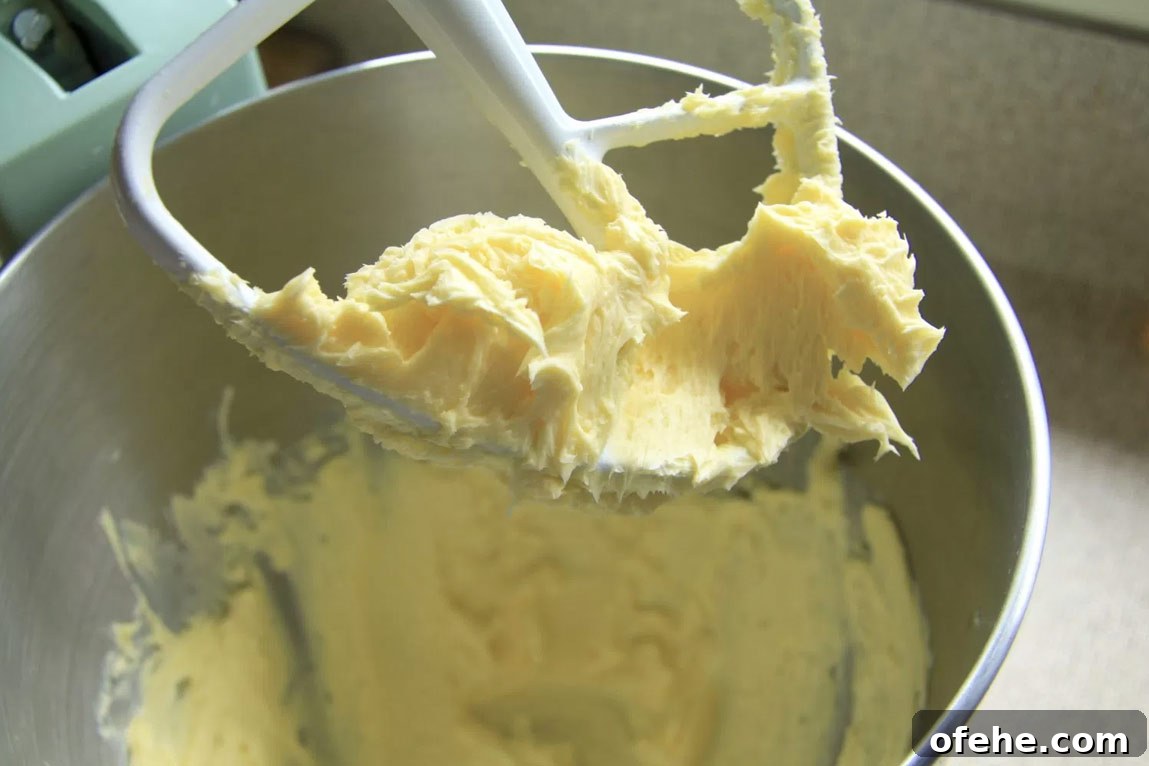
The creaming method involves beating together butter (or another fat) and sugar until the mixture becomes light, fluffy, and paler in color. This process traps air in the fat, which expands during baking and helps produce a tender crumb and good rise. After creaming, eggs and other wet ingredients are added, followed by the dry ingredients.
WHEN TO USE THE CREAMING METHOD
Use the creaming method for recipes that benefit from a light, tender crumb. Common examples include:
- Cakes (butter cakes, pound cakes, and some sponge cakes)
- Cookies (chocolate chip, sugar cookies, and shortbread)
- Muffins and cupcakes
RELATED RECIPES FROM THE BLOG
-
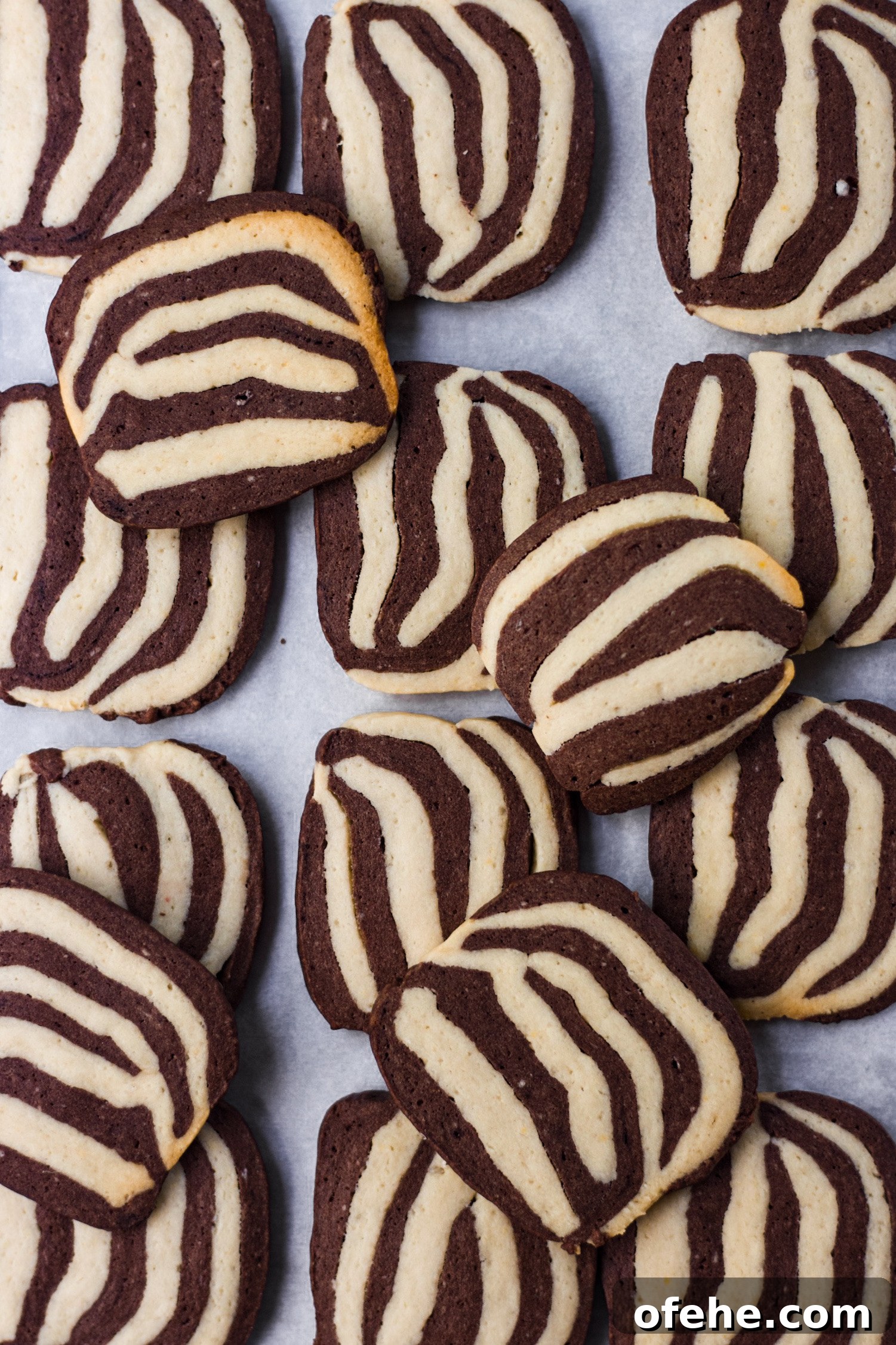
EGGLESS ZEBRA COOKIES
-
EGGLESS WHOLEWHEAT COOKIE CUPS
-
CHOCOLATE PUDDING CAKE
-
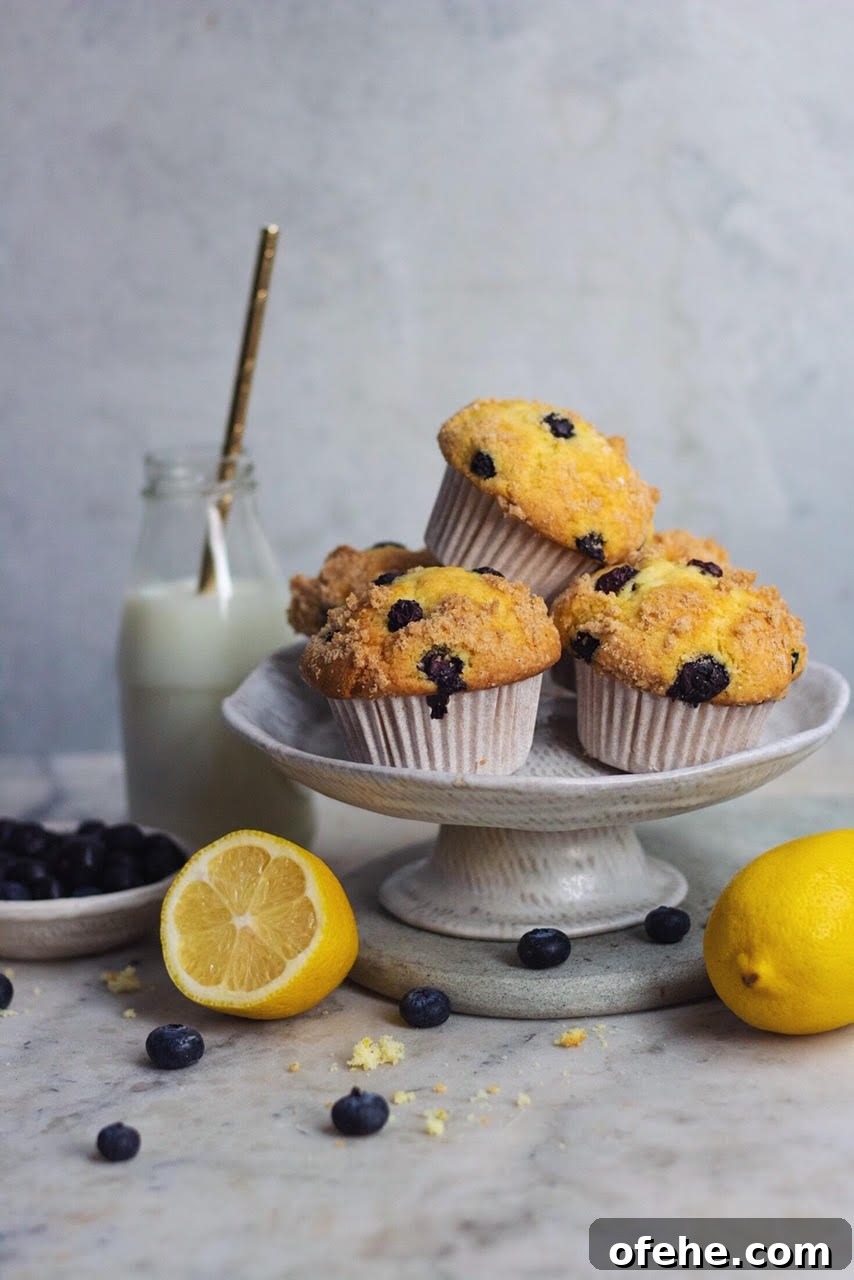
TEA INFUSED BLUEBERRY MUFFINS
WHY IS THE CREAMING METHOD IMPORTANT?
Proper aeration is essential for many baked goods, and the creaming method is a reliable way to achieve it. Key benefits include:
- Creates air pockets – Beating butter and sugar traps air that expands in the oven, giving a light texture and good rise.
- Enhances flavor – Evenly aerated butter and sugar contribute to a uniform, rich taste.
- Improves texture – Proper creaming prevents dense or dry results.
- Even ingredient distribution – Helps incorporate other ingredients more consistently for predictable outcomes.
HOW TO PROPERLY USE THE CREAMING METHOD
Step 1: Use room-temperature butter
Butter should be soft but not melted. Properly softened butter blends with sugar more easily and forms the air pockets needed for a light texture.
Step 2: Combine butter and sugar
Place butter and sugar in a mixing bowl and beat with a stand mixer, hand mixer, or a sturdy whisk. The goal is to incorporate air; this typically takes 3–5 minutes at medium speed.
Step 3: Watch for texture and color changes
The mixture should become paler and noticeably fluffier—this indicates adequate aeration.
Step 4: Add eggs or wet ingredients gradually
Add eggs one at a time, beating well after each addition to prevent curdling and ensure even incorporation. If using other wet ingredients, add them gradually as well.
Step 5: Fold in dry ingredients
Once the wet ingredients are combined, add the dry ingredients (flour, leavening agents, etc.) gradually and mix at low speed or fold by hand to avoid overworking the batter.
Eggless variation of the creaming method
The creaming method works for eggless baking with a few adjustments:
- Beat butter and sugar slightly longer (around 5–7 minutes) to maximize fluffiness.
- Add liquid substitutes like yogurt, buttermilk, or a suitable dairy-free alternative gradually while mixing.
- Be careful not to overmix after adding the dry ingredients to avoid a dense texture.
With these tweaks, eggless cakes and cookies can still be soft, tender, and flavorful.
COMMON MISTAKES AND HOW TO AVOID THEM
- Using cold butter – Cold butter won’t cream properly and leads to dense results. Soften butter to room temperature.
- Over-creaming – Beating butter and sugar too long can make the batter overly soft and unstable.
- Not scraping the bowl – Regularly scrape the sides and bottom of the bowl to ensure even mixing.
- Adding eggs too quickly – Adding eggs too fast can cause curdling; add slowly and beat after each egg.
- Overmixing after adding flour – Excessive mixing after incorporating dry ingredients develops gluten and can produce tough baked goods.
BAKED GOODS THAT DO NOT REQUIRE THE CREAMING METHOD
Some baked goods use different mixing techniques to achieve specific textures. Examples include:
- Chiffon and angel food cakes – These rely on whipped egg whites for aeration rather than creamed fat and sugar.
- Brownies and blondies – Many recipes call for melted butter and sugar to achieve a fudgy, dense texture.
- Pie crusts and shortcrust pastries – These use the rubbing-in method with cold butter to create a flaky texture.
- Bread doughs – Yeasted breads depend on kneading and fermentation rather than creaming.
- Some muffins and quick breads – The muffin method mixes wet and dry ingredients separately and combines them with minimal mixing.
Knowing when to skip the creaming method saves time and helps you choose the right technique for the desired texture.
Mastering the creaming method is a valuable skill for home bakers. Whether you’re baking a classic butter cake, a favorite cookie, or an eggless treat, attention to butter temperature, mixing time, and ingredient incorporation leads to consistently better results. Try these tips next time you bake and enjoy lighter, airier, and more flavorful baked goods.