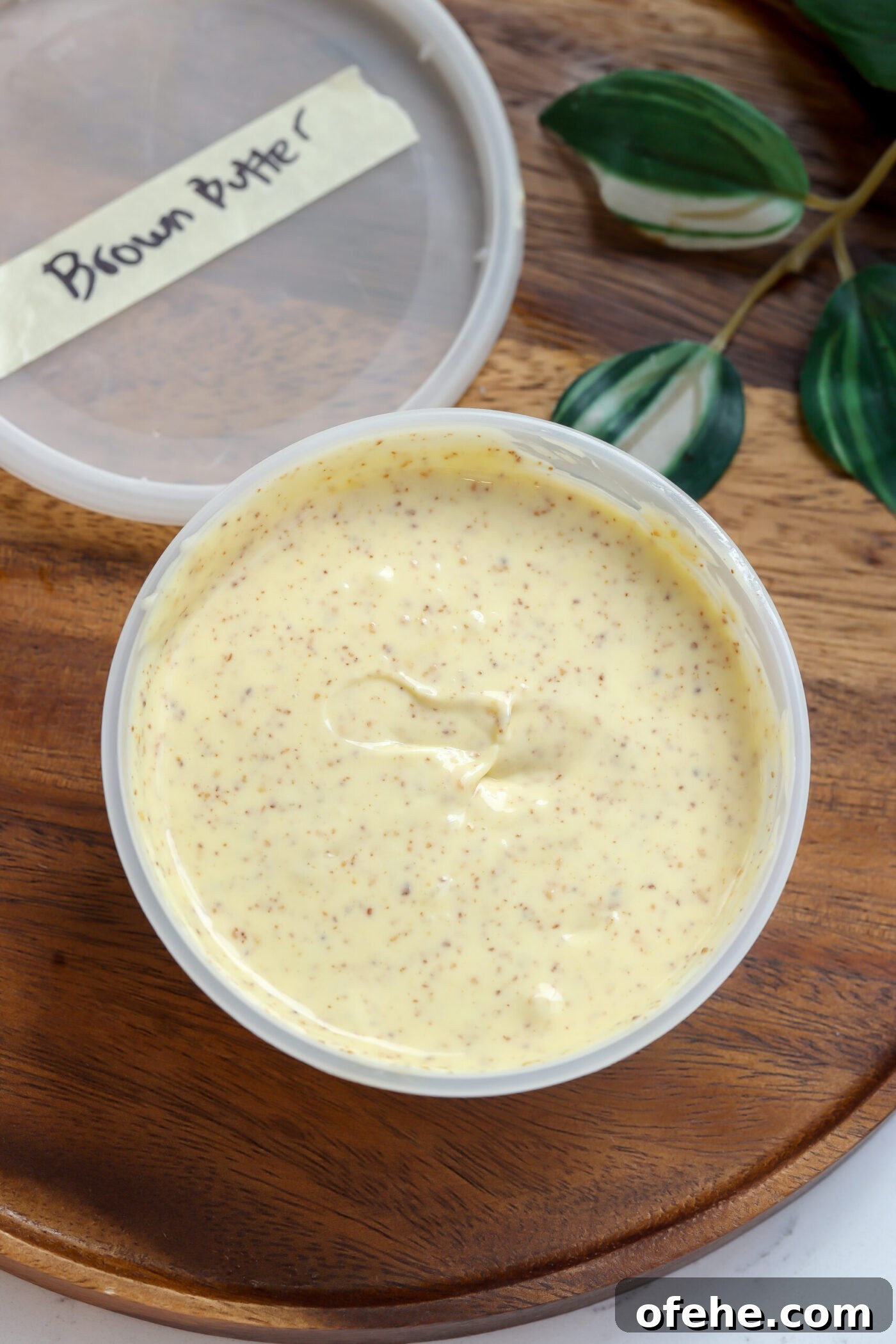
Whipped Brown Butter 101: In this piece I’ll walk you through clear, restaurant-tested steps to make whipped brown butter at home. I use brown butter in many dishes—it adds a deep, nutty complexity to everything from pasta to baked desserts. Some of my favorite pairings include chanterelle pasta, miso butter preparations, and salted pecan pie. Try this technique once and you’ll find countless ways to use it; if you experiment, please leave a comment about what you made!
Brown Butter Recipe 101
Start by placing your butter in a light-bottomed pan over medium heat. Using a pan with a thinner base helps you monitor the color change of the milk solids as they brown—this visual cue is the key to success and helps prevent burning.
Let the butter melt completely, watching closely. Once fully melted, add a small splash of whole milk or heavy cream. The extra dairy increases the amount of milk solids that brown, intensifying that characteristic caramelized, nutty aroma and flavor.
Keep the butter moving—stir or swirl continuously. The goal is to coax the milk solids to turn golden brown while avoiding hot spots that cause burning. As the butter heats it will foam; this is normal. When you notice a warm, toasty fragrance and the foam subsides or the solids reach a light brown color, remove the pan from the heat.
For an optional depth of flavor, you can add a small dash of soy sauce or another salty, umami ingredient off the heat. This step is about balance and intensity—start small and taste as you go. The soy will heighten savory notes without making the butter overtly salty.
Pour the browned butter into a heatproof bowl. To speed cooling and stabilize the texture, nest this bowl inside a larger bowl filled with ice water. Once the butter has cooled enough to handle but is still soft, begin whipping. Use a hand mixer or stand mixer and whip until the mixture becomes light, airy, and spreadable—solid enough to hold shape but still soft enough to scoop or spread easily.
Transfer the whipped brown butter to an airtight container and refrigerate. When you’re ready to serve, let it sit at room temperature a few minutes, then whip briefly to restore its smooth, creamy consistency. This ensures it spreads beautifully and releases its full flavor.
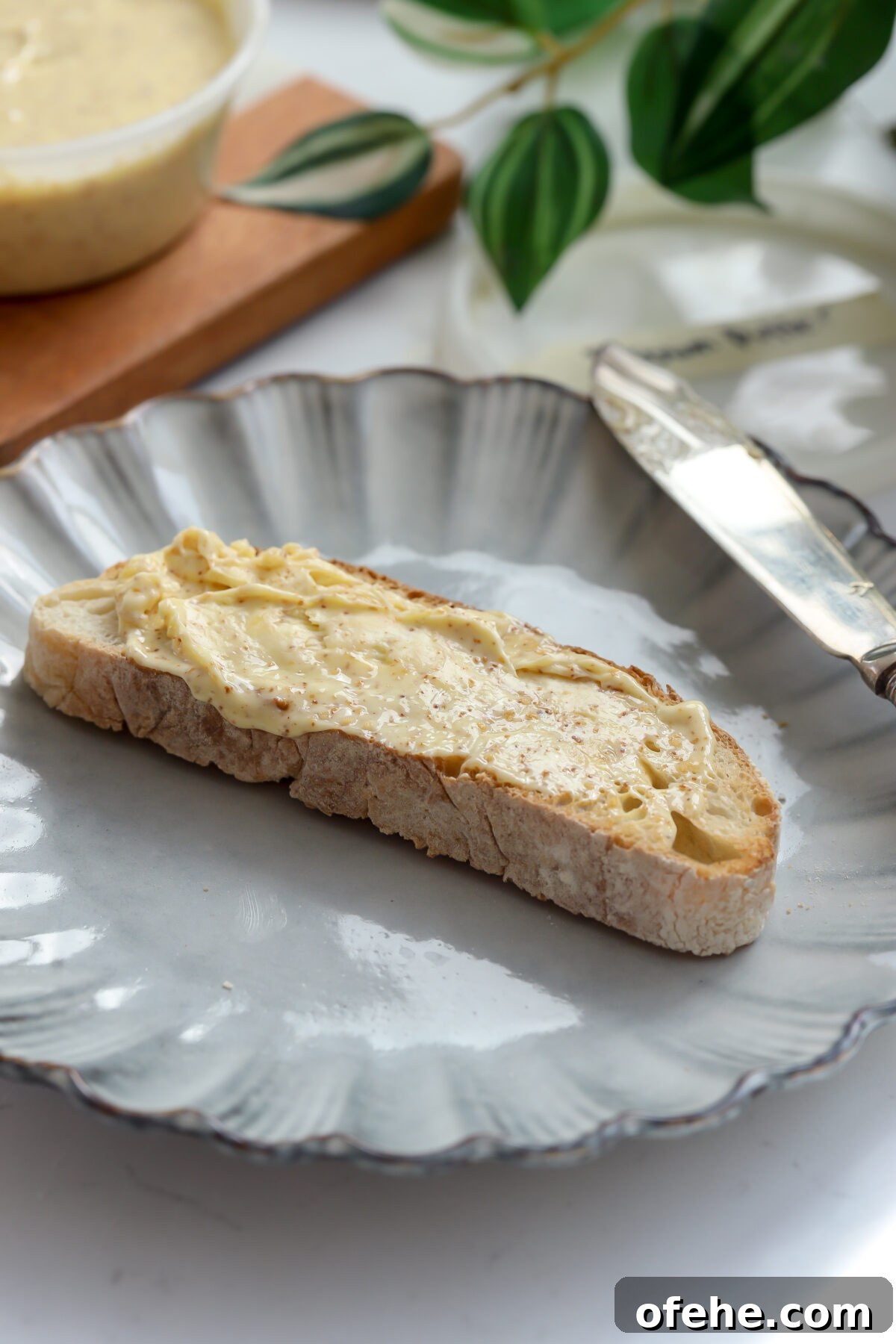
This technique yields a versatile compound-like butter that elevates simple foods—try it on toasted bread, roasted vegetables, grilled fish, or stirred through pasta. It also makes a sophisticated finishing touch on baked goods and desserts where a nutty, caramel tone complements the sweet elements.
Chef Tips
- Choose unsalted butter if you want full control over seasoning. Salted butter can vary in salt level and will affect the final balance.
- Use a light-bottomed pan so you can easily see the milk solids browning; this visibility helps prevent burning and gives you more control.
- The milk solids are what brown and deliver the nutty flavor. Adding a touch of extra whole milk or cream increases those solids and deepens the end taste.
- If you let browned butter solidify without whipping, the clarified butter and solids separate—whipping re-emulsifies them so the texture stays consistent and spreadable.
- Store the butter airtight in the refrigerator for up to a couple of weeks. For longer storage, you can freeze portions and thaw as needed.
- When incorporating flavorings (herbs, citrus zest, spices), add them while the butter is still slightly warm so they release aroma, but not so hot that volatile flavors dissipate.
Whipped brown butter is an easy, high-impact ingredient to keep in your culinary toolkit. With a little attention during the browning stage and a short whipping step, you’ll have a spread that adds richness, complexity, and a homemade touch to many dishes. Try small batches first to dial in your preferred browning level and seasoning, then scale up once you’ve settled on your perfect version.
If you enjoyed this guide, consider subscribing to the site for more kitchen techniques and recipe ideas. Happy cooking!