
Cinnamon Danish Pastry (kanelsnegl), also known as cinnamon snails, is a classic Danish breakfast treat. These rolls have a beautifully flaky, buttery exterior with a soft, tender, and airy interior thanks to a yeast-leavened dough.
This recipe is simplified to save time while still delivering flaky layers and a fluffy crumb. Baking at the right temperature and for the right amount of time is key to achieving crisp edges and a light interior.
What you will love about this Cinnamon Danish Pastry Recipe
- Instead of the traditional multiple roll-and-fold laminating, this method layers dough portions with butter to create flaky layers with much less effort and time.
- This version uses a single proofing step to reduce total preparation time.
- No special equipment is required — a rolling pin and basic kitchen tools are enough.
- Common, easy-to-find ingredients.
- The prepared pastry sheets freeze well for future use.
- Uses less butter than classic laminated dough, so the calorie content is somewhat lower.
- Produces cinnamon rolls with a crisp, buttery outer crust and a soft, fluffy interior.

Cinnamon Danish Rolls Ingredients
For the Danish pastry dough
- Flour: 390 g (about 3 cups, loosely packed)
- Water: 251 ml (1 cup + 1 tbsp), room temperature
- Yeast: 3 g (1 tsp)
- Salt: 1.7 g (1/4 tsp)
- Sugar: 50 g (4 tbsp)
- Soft butter: 113 g (1 stick or 1/2 cup)
For the cinnamon filling
- Soft brown sugar: 90–100 g (about 1/2 cup)
- Cinnamon powder: 2.8 g (1 tsp), or to taste
- Butter: 30 g (2 tbsp), softened
- Raisins: 80 g (1/2 cup), optional
For egg wash
- 1 egg, lightly beaten
Optional glaze
Stir 1 tsp warm water into 2 tbsp apricot jam for a shiny glaze.
How to make Danish Cinnamon Rolls
- Prepare the pastry sheet
- Shape, proof, and egg-wash the rolls
- Bake until golden and flaky

Prepare the Danish pastry sheet
Preparing the sheet involves making the dough, portioning and layering with butter, chilling, and rolling out into a large sheet.
Make the dough
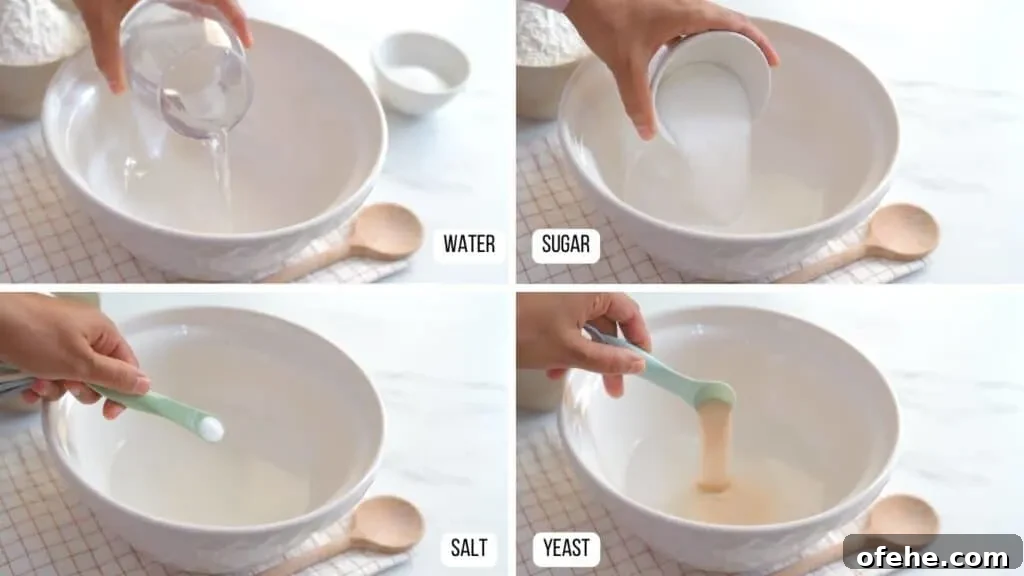
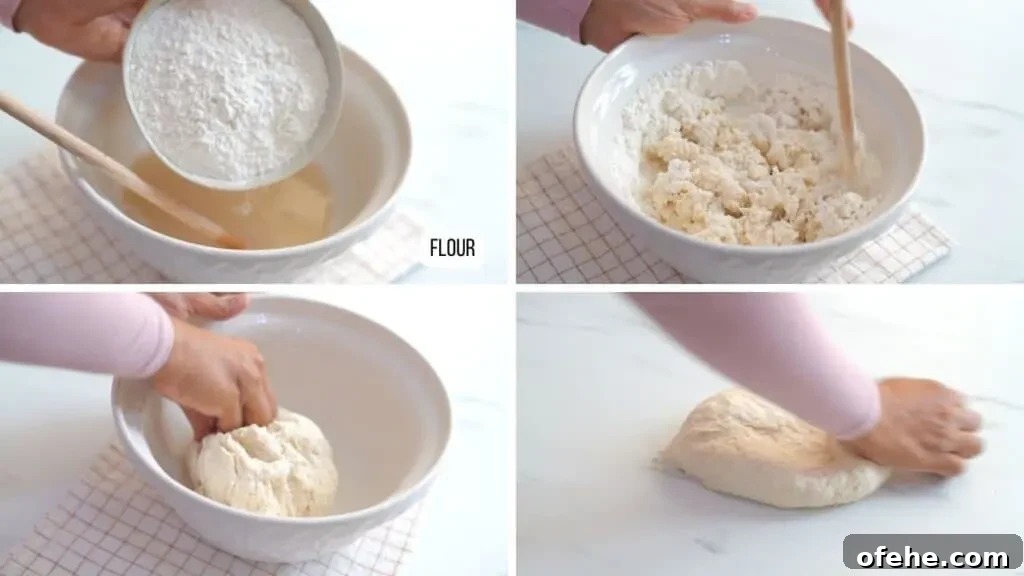
In a bowl, add the room-temperature water, then stir in sugar, salt, and yeast until mostly dissolved. Add the flour and mix to form a shaggy mass. Use a wooden spoon or your hands to bring the dough together — it may feel dry at first but will become a sticky ball. A slightly sticky dough at this stage is normal.
Turn the dough onto a floured surface and knead for 4–5 minutes until smooth and elastic. You can also use a stand mixer with a dough hook.
Divide, shape and layer with butter
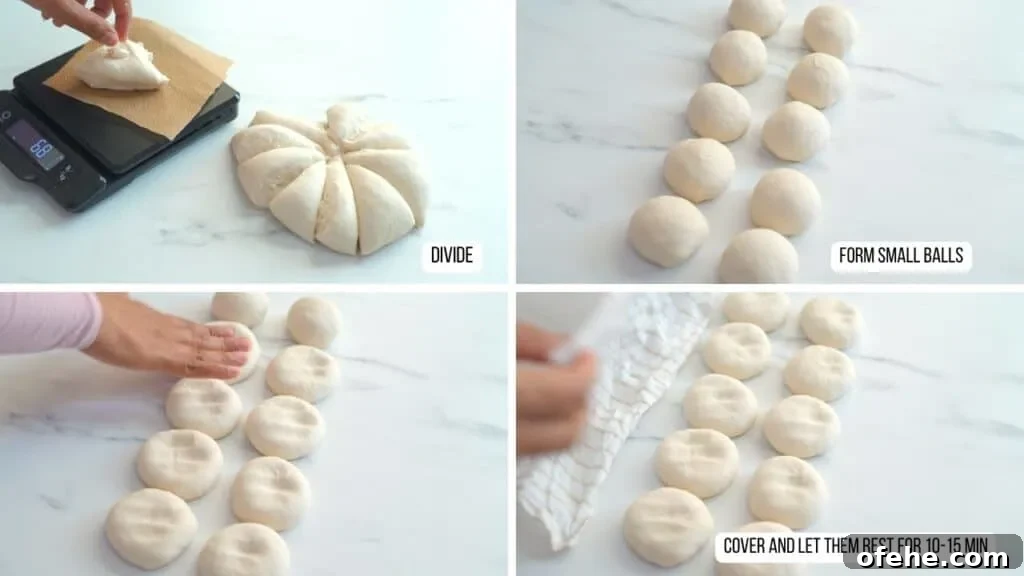
Divide the dough into 10 equal pieces and shape each into a ball. Let them rest, covered with a damp cloth, for 10–15 minutes to relax the gluten, which makes rolling easier. Flatten each ball slightly with your palm.
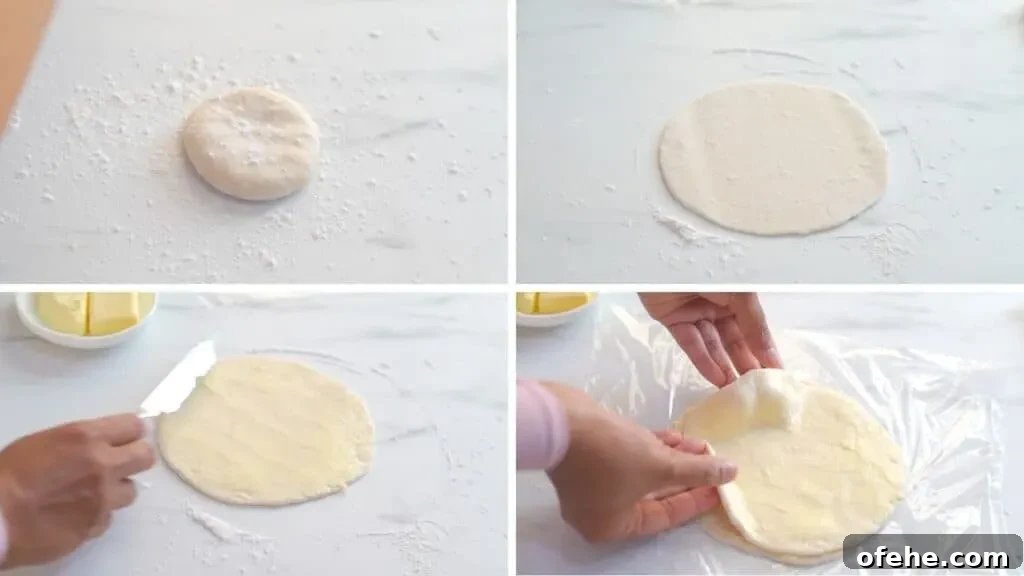
Roll each portion into a circle about 16–18 cm in diameter and spread about 3/4 tbsp softened butter on each. Place each circle on plastic wrap and stack them until all are layered.
Chill until the butter is firm
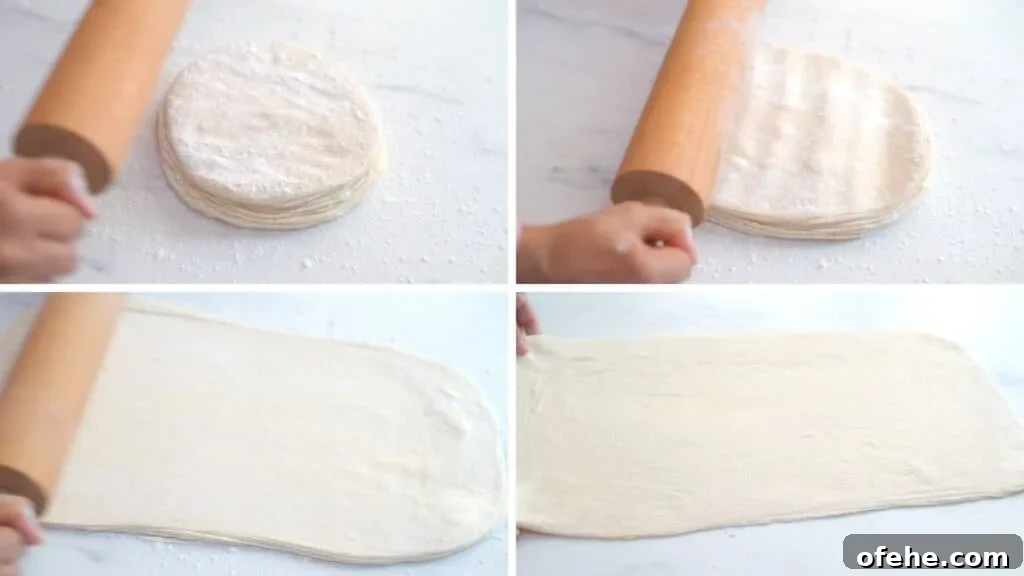
Cover the stack and chill in the freezer for 30–35 minutes, or refrigerate overnight. Once the butter is firm but pliable, dust a work surface with flour and roll the stacked dough into a rectangle roughly 34 x 54 cm.
Add the filling and shape
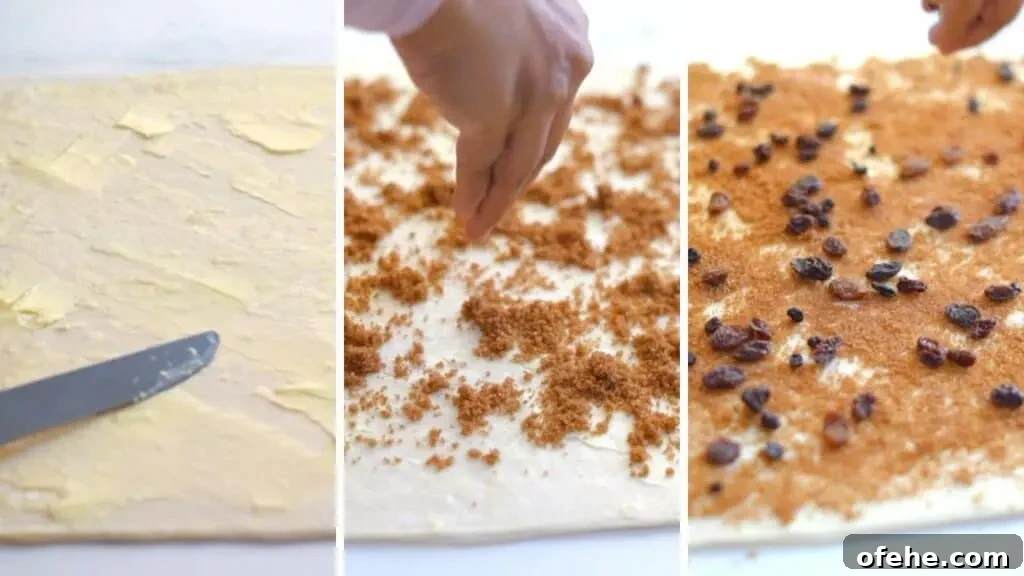
Spread a thin layer of butter (about 2 tbsp) over the sheet, then evenly sprinkle the cinnamon-sugar mixture (brown sugar mixed with cinnamon). Scatter raisins if using.
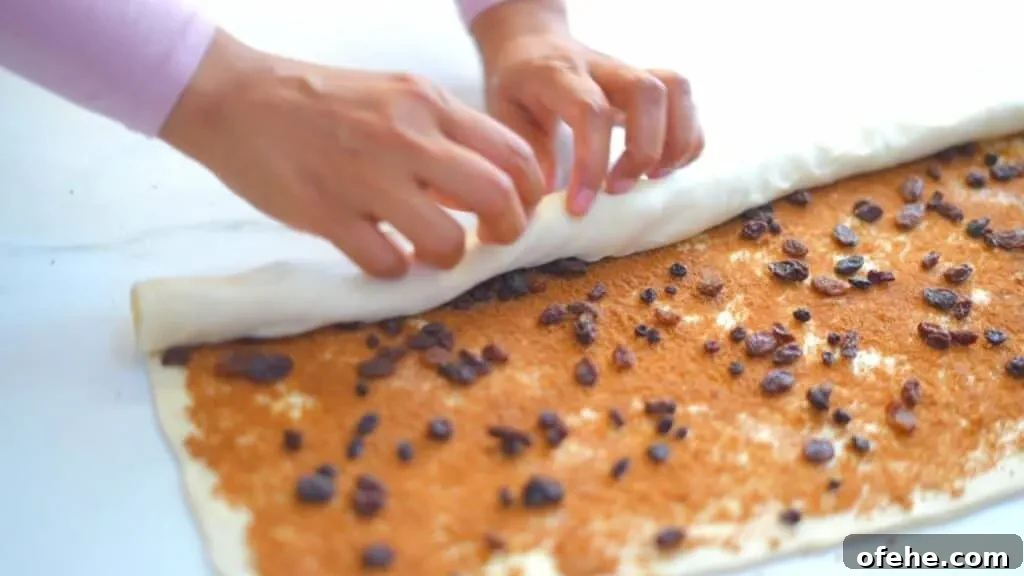
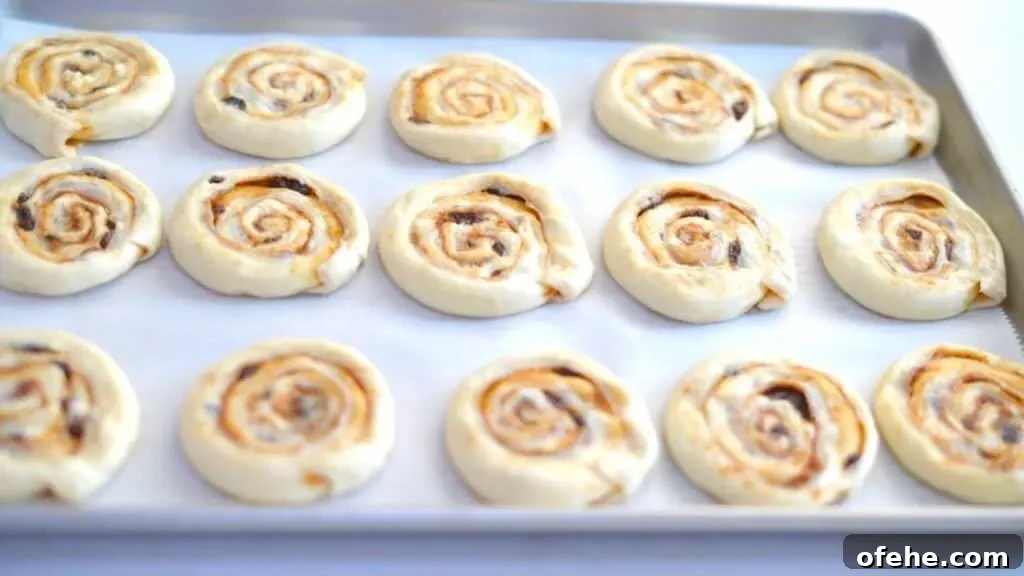
Fold and roll the sheet from the widest side to form a tight cylinder. Cut the cylinder into 15–16 equal pieces (about 3.6 cm each). A length of thread or dental floss gives cleaner cuts than a knife. Place the pieces cut-side down on a parchment-lined baking sheet and gently press each roll to flatten slightly.
Proof the Danish pastry
Cover the shaped rolls and let them proof for 90–120 minutes, depending on room temperature. They will rise faster in a warm environment and more slowly in a cooler one.
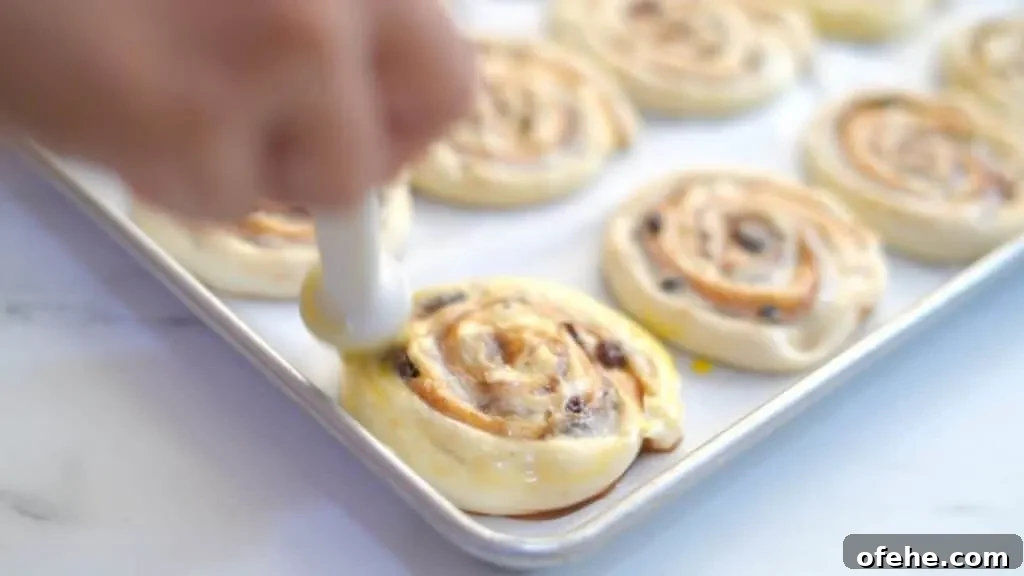
Brush the risen rolls with the beaten egg to promote a deep golden shine when baked.
Bake the Cinnamon Danish Rolls
Preheat the oven to 400°F (200°C). Bake the rolls for 22–25 minutes until they are puffed and golden brown. Remove from the oven and, if desired, brush with the warmed apricot glaze for shine.

Variations and tips
- Adding an egg: You may add 1 egg to the dough. If you do, reduce the water by about 45–50 ml to keep dough hydration balanced.
- Using milk: Substitute milk 1:1 for the water for a richer dough without changing other measurements.
- Sugar choice: Brown sugar adds a slight caramel/molasses note. If using white sugar, consider adding a tiny pinch of salt to balance sweetness.
- Storage: Store rolls at room temperature in an airtight container for 3–4 days. Reheat before serving for the best texture.
How to reheat
Oven
- Preheat to 350°F (175°C).
- Place rolls on a baking tray, lightly mist or sprinkle with water, and heat 4–6 minutes until warm.
Microwave
- Place a roll on a microwave-safe plate, cover with a damp paper towel, and heat for 10–15 seconds until warm.

Recipe summary
This simplified cinnamon Danish pastry produces flaky, buttery rolls with a soft, airy interior using straightforward techniques: a single dough, layered portions with butter, chilling, rolling, filling, shaping, proofing, and baking. It’s an accessible way to enjoy classic Danish-style pastries at home.
Cinnamon Danish Pastry Recipe (kanelsnegl)
A simple method to make flaky Danish pastry with a tender, airy crumb and a golden, buttery crust.
Prep time: 30 mins • Cook time: 22 mins • Proofing: 2 hrs • Total time: about 3 hrs 2 mins • Servings: 15
Ingredients
For Danish pastry dough
- 390 g flour
- 251 ml water
- 3 g yeast
- 1.7 g salt
- 50 g sugar
- 113 g soft butter
For filling
- 90–100 g soft brown sugar
- 2.8 g cinnamon powder
- 30 g butter
- 80 g raisins (optional)
For egg wash
- 1 lightly beaten egg
Instructions (brief)
- Make the dough: mix water, sugar, salt, yeast, then add flour; knead until smooth, 4–5 minutes.
- Divide dough into 10 portions, shape balls, rest 10–15 minutes, then roll each into 16–18 cm circles.
- Spread ~3/4 tbsp butter on each circle, stack on plastic wrap, and chill 30–35 minutes (or refrigerate overnight).
- Roll stacked dough into a rectangle ~34 x 54 cm. Spread 2 tbsp butter, sprinkle cinnamon sugar and raisins if using.
- Roll from the wide side, cut into 15–16 pieces (use thread for clean cuts), place on parchment, gently press flat.
- Proof covered for 90–120 minutes. Brush with beaten egg before baking.
- Bake at 400°F (200°C) for 22–25 minutes until golden. Optionally glaze with apricot jam diluted with warm water.